
Lasting tightness does not establish whether scar massage would help. Keep personal observations, existing care records, expenses, and unresolved claim questions separate.
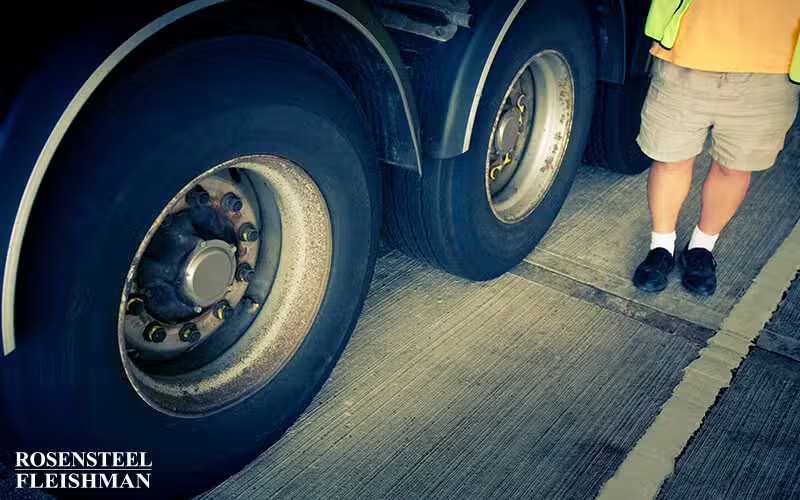

Hairston v. Alexander Tank & Equipment Co. arose from a 1978 chain of events on Interstate 85 in Gaston County. A newly purchased car lost a wheel and stopped on a bridge. A van stopped behind it, and a flatbed truck later struck the van while the car’s driver was between the vehicles. The North Carolina Supreme Court’s 1984 opinion addressed whether the dealership’s earlier wheel-service negligence could remain a proximate cause when the truck driver’s later negligence also contributed to the death.
The decision is a historical case example, not a rule that assigns responsibility in every disabled-vehicle or secondary-impact crash. Its practical lesson is narrower: when separate acts may have contributed to one injury, preserve the evidence for each act and the connection between them before treating the last impact as the only cause.
What happened in the case
According to the opinion, dealership employees changed the wheels on John Hairston’s new Lincoln but did not road-test it before delivery. The left rear wheel came off several miles later, and the Lincoln stopped in a travel lane on the South Fork River Bridge. James Whitby stopped a van behind it, used emergency flashers, and called for help. About ninety seconds later, a flatbed truck struck the van and pushed it into the Lincoln, fatally injuring Hairston.
The jury found both the dealership and the truck company negligent. The trial court nevertheless entered judgment for the dealership, and the Court of Appeals agreed that the truck driver’s later negligence insulated the dealership’s earlier conduct. The North Carolina Supreme Court reversed that part of the ruling. Viewing the evidence under the applicable standard, it held that a jury could find the loose wheel and the truck driver’s conduct were both proximate causes and that the later conduct did not supersede the dealership’s negligence as a matter of law.
Separate the first event from the later impact
A chain collision should be divided into stages. For each stage, identify the actor, conduct, time, location, physical result, supporting source, and disputed point. In a disabled-vehicle event, that can include:
- the vehicle’s service, inspection, repair, warning, and delivery records;
- the failure or condition that caused the vehicle to stop and the evidence supporting that explanation;
- the stopped vehicle’s position, visibility, lighting, flashers, occupants, and available shoulder or escape space;
- the approaching driver’s view, speed, following traffic, braking, steering, and response; and
- the timing and physical sequence of each stop, warning, movement, and impact.
The same record may bear on more than one issue, but it should not be made to prove more than it actually shows. A repair order may document work that was requested without proving how it was performed. A post-crash inspection may identify a component condition without deciding when that condition arose. A witness may describe visibility from one position without establishing every driver’s view.
Do not convert the appellate result into a current outcome prediction
The Supreme Court decided whether the evidence permitted the dealership-liability issue to remain with the jury. It did not announce that every original defect remains a legal cause after a later collision. Whether later conduct supersedes an earlier act depends on the particular evidence, foreseeability, causal sequence, claims, defenses, and current law.
The related guide to warning-device evidence after a stopped-truck crash explains the narrower task of documenting vehicle position, visibility, warnings, and approaching traffic. Those facts remain separate from the vehicle-service evidence at issue in Hairston.
Rosensteel Fleishman Car Accident & Injury Lawyers provides general information about North Carolina truck-accident claims involving several contributing events. A historical opinion can identify questions to investigate, but the current facts and law control an individual matter.
Source
Additional Personal Injury Articles
How Evidence Is Reviewed During a Wrongful Death Case
Evidence review means checking where records came from, comparing accounts, and separating documented facts from assumptions about responsibility and losses.
Living With Permanent Disabilities After a Truck Crash Involving Multiple Vehicles
A lasting disability affects more than a claim file. Learn how to connect the collision timeline with documented changes in work, household responsibilities, and expenses without treating assumptions as evidence.
Investigating Unexplained Loss of Control in Charlotte, NC Motorcycle Crashes
An unexplained loss of motorcycle control leaves questions about what happened before the fall. Clear records can help families distinguish evidence from assumptions and respond to claim disputes.



