
A claim file cannot determine whether a recovery change needs medical review. Clear records can show what changed, what remains uncertain, and how daily life and expenses were affected.
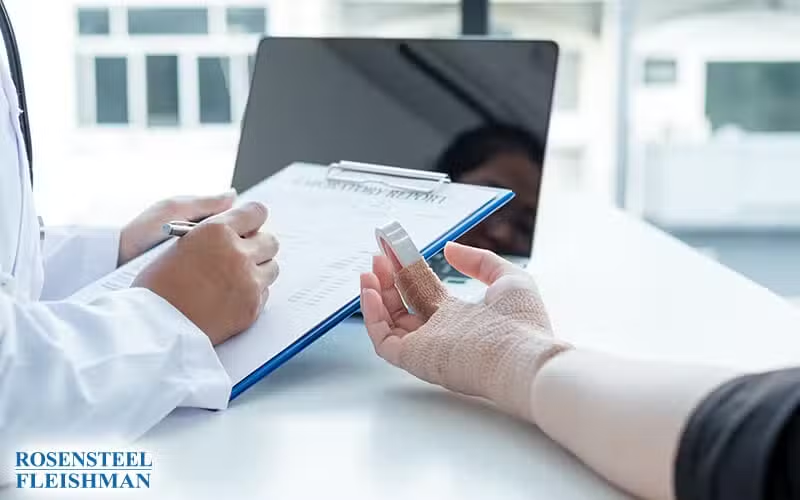

Lasting tightness around a dog bite scar does not establish whether massage would help. That question cannot be answered for an individual from a general article or a description of tightness alone. What you can do without drawing medical conclusions is document the experience, its practical consequences, and any related expenses.
Consider a hypothetical Charlotte resident who notices tightness while completing ordinary work tasks after a dog bite. They search for information about massage therapy for dog bite scars, hoping for a clear answer. Their account should distinguish what they noticed from what they believe caused it, rather than treating a search result as confirmation.
The same distinction matters when deciding how to organize an injury claim. A dated account of an interrupted task is different from a conclusion about the scar, and an invoice is different from an estimate for a service merely being considered. Keeping these categories separate makes the account easier to check without overstating what is known.
If you are preparing an account for a dog bite attorney at Rosensteel Fleishman Law Firm, identify which scar massage expenses actually occurred and which remain questions. Include the practical effects of tightness in your own words, without presenting a hoped for result as an established fact.
Attorney Corey Rosensteel: "A useful record distinguishes what you experienced from what you assume, and actual expenses from possible future costs."
Overview
- General massage information cannot establish an individual outcome.
- Describe daily disruptions without assigning a medical explanation.
- Separate existing records and expenses from plans and unanswered questions.
Separate Personal Observations From Medical Conclusions
A useful account of scar tightness describes the experience rather than trying to explain its underlying cause. Record the date, the ordinary activity involved, and any practical change you made. You do not need to deliberately repeat an activity to create an entry.
For example, a hypothetical entry might read, “I noticed tightness while sorting inventory and reassigned the remaining boxes to a coworker.” That describes an event and a work consequence. It does not claim that the sensation proves a particular injury or that massage would resolve it.
If existing records mention scar massage, preserve their wording and context rather than expanding them into a broader conclusion. A discussion, a scheduled appointment, and a completed service should remain separate entries. Likewise, noting a change after an appointment is not the same as establishing what caused that change.
Keep photographs, personal notes, and existing care records as distinct materials. A photograph records appearance at a particular moment; your written account describes what you experienced. Avoid treating either as an answer to whether massage is appropriate or effective for you.
Organize Costs and Questions for Claim Review
Questions about scar massage expenses are separate from questions about its possible benefits. Start with what actually exists: dated invoices, receipts, payment records, and relevant correspondence. Label an estimate as an estimate, and do not enter a possible expense as money already spent.
When discussing a disputed scar massage bill with an animal attack lawyer, identify the specific charge and the written reason given for questioning it. Ask what remains unresolved rather than assuming that a receipt alone settles whether an expense belongs in the claim. Do not treat a request for more information as a promise of payment.
Practical losses deserve their own record. If you report missed work, retain the relevant schedule, attendance information, or pay records instead of relying only on a general statement that work became harder. Distinguish time spent at an appointment from time missed for another reason.
A simple chronological folder can keep these issues manageable. Match each expense to its supporting document, retain the original correspondence, and note any unanswered request. This creates a clear process for reviewing the account while leaving questions about responsibility, payment, and medical conclusions open where they remain unresolved.
Keep Uncertainty Visible in Your Records
You do not need to settle the question of massage effectiveness before organizing what has already happened. Start with a factual account of the bite, then distinguish later observations, completed appointments, actual costs, and practical disruptions. Leave unknown dates or amounts marked as unknown rather than filling gaps with guesses.
Before submitting a claim account, check that its wording matches the documents you have. A service you considered should not appear as completed care, and a personal expectation should not appear as a documented conclusion. If you correct an earlier entry, retain the original and explain the correction.
Prepare a Short List of Unresolved Questions
Identify the specific administrative questions still needing answers, such as whether an invoice reflects payment, whether an insurer requested another document, or whether an entry describes an estimate. Keep questions about the individual effects of scar massage separate; this article cannot resolve them. Your next practical step can be modest: organize one accurate account that shows what happened, what it cost, and what is still uncertain.
Additional Dog Bites Articles
How Doctors Review Delayed Symptoms After a Dog Bite
A clear timeline separates what someone noticed from what a medical record documents. That distinction also helps organize expenses and coverage questions when several policies may be involved.
How Prescribed Compression Affects Daily Tasks During Dog Bite Recovery in Charlotte
When prescribed compression is part of dog bite recovery, records can distinguish everyday disruptions from assumptions about their cause. Dates, task details, and reporting history help explain what actually changed.
How Insurers Assess Documented Progress During Dog Bite Recovery
A useful claim record shows what changed, what remained unresolved, and why. Learn how consistent documentation can clarify recovery progress without drawing medical conclusions.



