
Highway crashes do not always happen during predictable rush hour congestion or in the middle of heavy commuter traffic. In North Carolina, a collision may occur late at night, during an off-peak afternoon, or on a relatively open stretch of interstate where traffic conditions initially appear straightforward. Claims arising from these crashes can still become […]
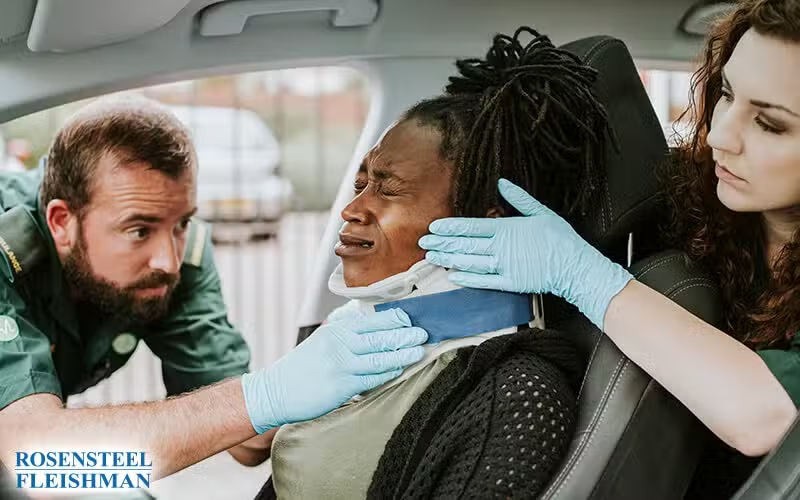

In Charlotte, even a routine drive on I-77, I-485, or a busy road near Uptown can change quickly when a crash happens. The moments after an accident often bring confusion, stress, and competing opinions about what should happen next. One person may think the damage looks minor and want to leave quickly, while another may be worried about injuries, insurance, or whether the police report will reflect what actually occurred.
This is why decision-making after a crash matters. What happens after an auto accident can depend on the choices people make in the first few minutes, the information they collect, and the way they respond to injuries or property damage. As Attorney Corey Rosensteel has said, “A clear record early on can make a difficult situation easier to understand later.” That kind of record can include photos, witness information, medical documentation, and a careful explanation of how the collision occurred.
Different perspectives can lead to different decisions in the same situation. A driver who feels embarrassed may downplay the crash, an insurance adjuster may look closely for gaps in documentation, and an injured person may not realize symptoms can develop hours or days later. For someone unsure about their next step, a free car accident case review can help clarify how the facts may be viewed and what information may be important.
Article Brief
After a car accident, the same set of facts can look different to drivers, passengers, police officers, medical providers, and insurance companies. Taking steady, practical steps can help protect your health, preserve useful information, and support better decisions as the situation develops.
Why the Same Accident Can Lead to Different Choices
People often make different decisions after a crash because they are focused on different concerns. One driver may be thinking about getting to work, another may be worried about being blamed, and a passenger may be paying attention to pain that others do not notice. These different viewpoints can shape whether someone calls the police, seeks medical care, takes photos, or contacts an insurance company.
A practical example might involve a rear-end crash on South Boulevard during afternoon traffic. The vehicle damage may look manageable at first, and both drivers may be tempted to exchange numbers and leave. Later that evening, the driver who was hit may develop neck pain, headaches, or back stiffness. If there is no police report, no photos, and no immediate medical evaluation, the insurance process may become more difficult because important details were not documented when the facts were still fresh.
Insurance companies often review claims by looking for consistency. They may compare the crash report, vehicle damage, medical records, witness statements, and the timing of treatment. If a person says they were hurt but waited a long time to get checked, the insurer may question whether the injury came from the accident. That does not mean the injury is not real, but it does show why early decisions can affect how a claim is evaluated.
Should You Call the Police After a Crash
Calling the police is often a smart step when there are injuries, significant vehicle damage, a dispute about fault, or uncertainty about what happened. A police report can create an official record that includes the date, location, drivers, vehicles, and sometimes witness information or contributing factors. In North Carolina, this record can become important when an insurance company later reviews liability.
Even when a crash seems minor, it may be hard to judge the full impact at the scene. Modern vehicles can hide structural damage behind bumpers, and adrenaline can make injuries feel less serious at first. A report does not decide every legal issue, but it can help reduce confusion and provide a starting point for understanding the accident.
What Information Should You Collect
Information collected at the scene can be useful later because memories fade and physical conditions change. If it is safe to do so, taking photos of the vehicles, the roadway, traffic signals, skid marks, debris, and visible injuries can help show what happened. It is also helpful to gather names, phone numbers, insurance details, license plate numbers, and witness contact information.
Useful information after a crash may include:
- Photos of all vehicles from multiple angles
- The other driver’s insurance and contact information
- Names and phone numbers of witnesses
- The responding officer’s name or report number
- Medical records and discharge instructions after treatment
These details can help connect the accident to the damage and injuries being claimed. They can also help answer questions if another driver later gives a different version of events.
How Medical Care and Insurance Decisions Affect a Claim
Medical care is one of the most important parts of understanding what happens after an auto accident because it connects the crash to a person’s physical condition. Some injuries are obvious right away, such as cuts, fractures, or severe pain. Others develop gradually, including soft tissue injuries, concussion symptoms, shoulder pain, or worsening back problems.
Seeking medical attention does more than address health concerns. It also creates documentation that may explain symptoms, diagnoses, treatment plans, and follow-up needs. If a person avoids treatment because they hope the pain will go away, the delay may later be used by an insurer to challenge the claim. Timely care helps show that the person took the situation seriously and allows medical professionals to identify issues before they get worse.
Insurance decisions also require care. After a crash, an adjuster may contact the injured person quickly and ask for a statement. The conversation may seem routine, but the details shared can affect how the claim is handled. It is important to be accurate, avoid guessing, and understand that early statements may be compared against later medical records or other evidence.
Can You Settle Too Early After an Accident
Yes, settling too early can create problems if the full extent of injuries, treatment needs, lost wages, or future expenses is not yet clear. Once a claim is settled, it is usually final. That means a person may not be able to ask for more compensation later if pain worsens or additional treatment becomes necessary.
This is especially important when symptoms are still developing. A person may feel sore for a few days and assume the injury is minor, only to learn later that physical therapy, imaging, or ongoing care is needed. Taking time to understand the medical picture can help prevent decisions based on incomplete information.
How Fault Questions Can Become More Complicated
Fault may seem obvious at the scene, but accident claims can become more complicated once insurance companies begin reviewing evidence. A driver may admit responsibility at first, then later change their story. Another party may claim the injured person stopped suddenly, failed to signal, or contributed to the crash in some way.
North Carolina has strict rules that can affect injury claims when fault is disputed. Because of that, clear documentation matters. Photos, witness accounts, medical records, and crash reports may help address questions about how the accident happened and whether another party’s actions caused the injuries.
Making Informed Choices After a Charlotte Auto Accident
A car accident can leave people trying to make practical decisions while dealing with pain, vehicle repairs, missed work, and calls from insurance companies. The most helpful approach is usually steady and organized. Get medical care when needed, preserve records, avoid guessing about fault or injuries, and be careful before agreeing to a quick settlement.
Rosensteel Fleishman works with people in Charlotte who are trying to understand their options after a crash. A conversation with an experienced car accident lawyer can help identify what information may matter, how insurance issues may unfold, and whether a claim should be reviewed before decisions become final. As Attorney Matthew Fleishman has said, “Good decisions are easier to make when people understand the process and the facts in front of them.”
For someone dealing with injuries or uncertainty after a crash, calling 1-704-714-1450 can be a practical next step. The goal is not to make the situation more complicated. It is to understand what happened, what may come next, and how to make informed choices before important deadlines, records, or claim decisions create avoidable problems.
Additional Car Accidents Articles
Left Turn Gap Judgment Errors When Visibility or Road Design Plays a Role
What happens when a driver begins a left turn and another vehicle suddenly changes lanes? The available opening can disappear almost instantly. In Charlotte traffic, this type of conflict may occur near multilane intersections where drivers must monitor oncoming vehicles, traffic signals, pedestrians, and vehicles moving between lanes at the same time. These crashes can […]
Multi Policy Insurance Considerations When One Policy Does Not Cover Every Loss
Insurance coverage after a serious car accident is not always limited to one policy. A collision may involve liability coverage, underinsured motorist coverage, medical payments coverage, an employer’s commercial policy, or another source of compensation. Identifying each applicable policy can affect how losses are documented, how negotiations develop, and whether a proposed resolution fairly reflects […]
What Happens When Vehicle Damage Appears Later Despite an Initial Inspection
Damage found days or weeks after a collision can complicate an insurance claim, especially when the cause of the crash or responsibility for the repairs remains disputed. A vehicle may look drivable during an initial roadside review in Charlotte, yet later show suspension problems, electrical faults, alignment issues, or damage hidden beneath exterior panels. When […]



