
A lasting disability affects more than a claim file. Learn how to connect the collision timeline with documented changes in work, household responsibilities, and expenses without treating assumptions as evidence.
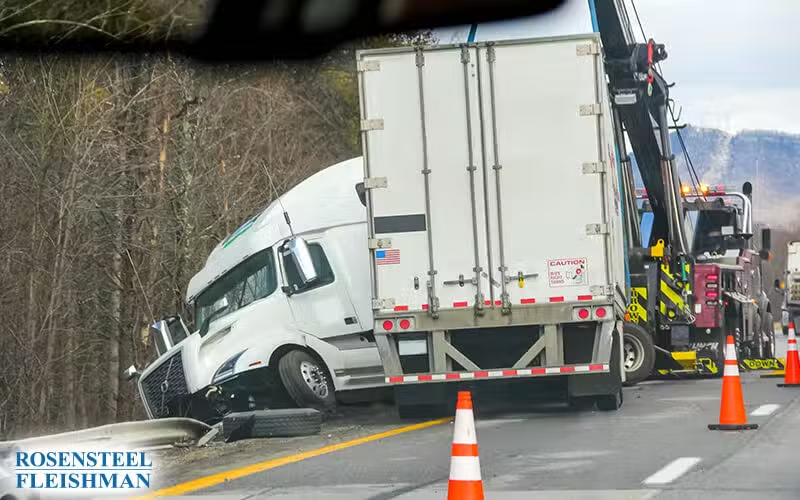

An agency report can identify what was recorded by an officer, but it does not contain every fact or determine responsibility, coverage, or a claim outcome.
Identify the report request accurately
- Date, approximate time, location, responding agency, report number, vehicle and trailer identifiers, and information already known
- The original report, request confirmation, date received, and any later version or supplement clearly labeled
- Information that may exist outside the report, including carrier, dispatch, shipping, towing, repair, or other records
- A discrepancy, missing detail, or uncertainty recorded as a question rather than corrected from memory
Follow the current request process
The N.C. Division of Motor Vehicles’ Crash Reports page explains the current process for requesting available reports. A request does not create a report that was never made.
Questions arising from a commercial-vehicle crash may be considered in a North Carolina trucking-accident claim, which requires a fact-specific review.
Source
Additional Trucking Accidents Articles
Reducing Reinjury Risk With Physical Therapy After a Truck Crash in Charlotte
Concerns about reinjury involve medical questions that claim records cannot answer. Learn how to organize physical therapy documentation, practical expenses, and scene evidence without drawing unsupported conclusions.
When Mobility Loss After a Charlotte, NC Truck Crash Has No Clear Diagnosis
An unclear diagnosis does not prevent a family from recording practical changes after a truck crash. Keep observations, added expenses, and unanswered claim questions separate.
How Insurers Review Worsening Pain After a Truck Crash
An early insurance review may start with an incomplete account. Dated records can help explain later changes in pain, work limitations, and expenses without treating symptoms as proof of an injury.




