
A medical condition alone does not explain a crash. Connecting records to the collision and tracking bills that have not arrived helps keep fault questions separate from unresolved costs.
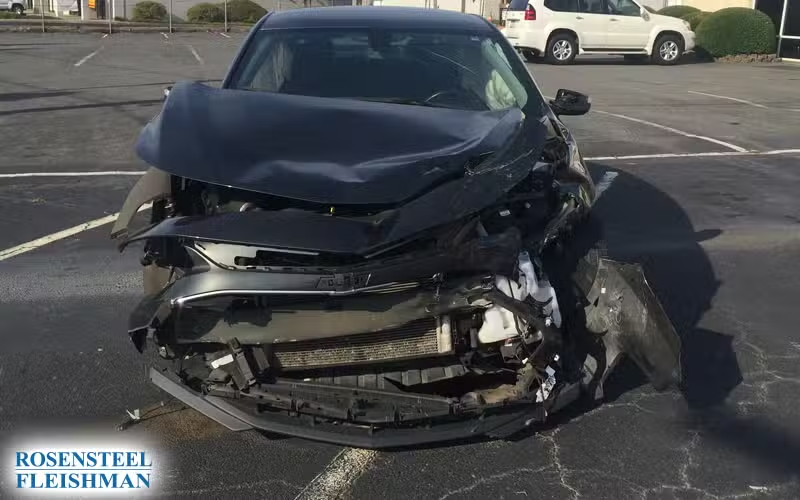

Identifying vehicles, people, and roles creates a starting record after a crash, but it does not establish responsibility, coverage, or a legal claim.
Build an identification sheet
- Each vehicle’s plate, vehicle identification number, make, model, color, owner information as recorded, and visible condition
- Drivers, passengers, witnesses, employers or businesses identified in a record, and the source for each name or role
- Insurance cards, registration, report number, photographs, repair or tow records, and the date each item was received
- Conflicts, missing information, and uncertain relationships marked as unresolved rather than filled in by assumption
Keep reports in context
North Carolina G.S. 20-166.1 addresses reports for qualifying crashes. A report can help identify people and vehicles, but it does not replace the full factual record.
The related post-scene record-request guide covers documents to request after leaving the scene. A Charlotte car-accident claim requires a fact-specific review.
Source
Additional Car Accidents Articles
Overlooked Factors in Charlotte Car Accident Settlement Evaluations
A settlement evaluation involves more than adding bills. Clear records can help explain household disruption, work losses, disputed expenses, and why an offer changes as information develops.
Which Records Help Determine a Car Accident Claim’s Filing Deadline?
A deadline review starts with more than the accident date. Organize crash records, insurance correspondence, identifying information, and any court papers to separate documented dates from unresolved questions.
How Accident Deductibles Affect Transportation Budgets in Charlotte
A deductible is only one part of the transportation bill after a crash. Separating repair costs, temporary travel expenses, and work disruptions can make budgeting and claim records clearer.



