
A company vehicle does not establish who must pay or how much insurance applies. Learn how to separate responsibility, coverage, and records of lasting losses.
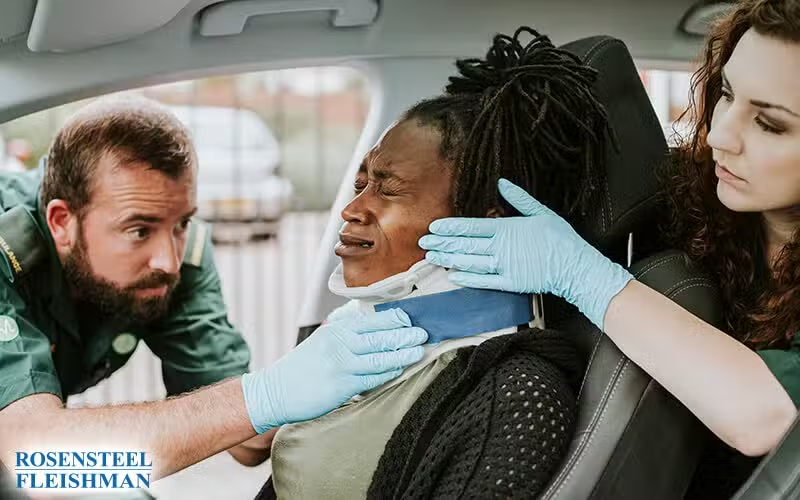

A useful accident photo submission connects clear images to the correct claim and explains what each image shows. When uploading photos, focus on identifiable vehicles, visible damage, scene context, and accurate descriptions rather than a large volume of unexplained pictures. Label each image so a reviewer can tell when and where it was taken.
Overview: Organize the images, check the submission instructions, and track both receipt and follow-up questions. If a car accident attorney for injury claims is already reviewing your records, use consistent photo labels across the copies you share so everyone can identify the same image.
Build a Photo Submission That Can Be Reviewed
Start with the instructions attached to your claim rather than assuming every insurer accepts photos the same way. Confirm the claim number, the intended recipient, and the approved upload method through a contact or account you have verified. Check the stated file types, size limits, and any requested views before preparing the submission.
Think of the photo set as a visual record that someone unfamiliar with the collision must understand. A close image may show a scrape clearly without revealing which vehicle or panel it belongs to. Pairing that image with a wider view, when available, gives the reviewer a way to connect the detail to the vehicle.
- Identify the vehicle shown, using a description such as make, color, and its relationship to the claim.
- Include wider views that locate the visible damage on the vehicle.
- Use closer images to show details without losing the surrounding context.
- Label existing scene images to explain vehicle positions, road markings, or nearby objects they actually show.
- Note when and where the photos were taken, including whether they show the scene or the vehicle later.
Work with the images you have rather than recreating the collision scene. If a requested angle is unavailable, say so and ask what alternative documentation would answer the question. Do not enter traffic or an unsafe location to obtain a missing picture.
Preserve the original files in a separate folder before preparing copies for submission. Avoid filters, enhancements, or markings that change how damage appears. If an annotated copy would clarify a location, label it as a copy and retain the unmarked original. Follow the insurer’s instructions if a file needs conversion or resizing, and check that the resulting image remains readable.
Add short, factual descriptions through the portal’s caption field or an accompanying file index. A useful description identifies the image, the vehicle or area shown, and the circumstances of the photo. If you do not know the capture time, leave that uncertainty visible rather than estimating it as though it were confirmed.
For a hypothetical example, “Photo 04, passenger side rear door, photographed in the driveway the morning after the collision” explains more than “damage picture.” It also distinguishes a later photo from one taken at the scene. Avoid adding conclusions about speed, fault, or repair cost based only on what the image appears to show.
Keep known prior damage distinct from damage you noticed after the collision, without guessing about the origin of an uncertain mark. If relatives or neighbors supplied images, record who provided them and whether you received original files or screenshots. That information helps you explain the photo set accurately if questions arise later.
Before submitting, check that the selected images belong to this claim and do not include unrelated household documents or personal photographs. If an otherwise relevant image contains sensitive information, ask how the recipient wants it handled before altering the submission copy. Keep the original intact and avoid removing context that could matter to the review.
Once the upload finishes, look for a confirmation message or a visible list of submitted files. Save the confirmation, submission date, and any reference number. If the portal does not show whether every image arrived, ask the claim contact to confirm receipt and readability rather than repeatedly sending the entire set.
Receipt is a separate question from what the insurer concludes about the claim. Ask whether the reviewer needs a missing angle, a clearer copy, or an explanation linking an image to a particular vehicle. A targeted response is easier to track than a new batch of unlabeled photographs.
Keep Follow Up Requests Connected to the Record
After submission, maintain a simple record of what was sent, what was acknowledged, and what remains unanswered. For each new request, note the image or document involved and the response you provided. This gives a household sharing claim paperwork one consistent place to check progress without relying on memory.
Keep delivery to different recipients separate in that record. Confirm each recipient’s delivery method before transmitting personal documents. Sending files to a law office is not confirmation that the insurer has received them.
Correct Descriptions Without Losing Earlier Versions
If you discover that a caption names the wrong vehicle side or gives an incorrect date, send a clearly labeled correction identifying the affected file. Explain what changed and retain the earlier submission with the correction. Quietly replacing a file can make it harder to understand which version a later question refers to.
Use the same approach when additional photos become available. Identify them as a supplemental submission, explain who provided them, and distinguish when they were taken from when you received them. Keep the numbering consistent so the added images do not get confused with earlier files.
Clarify What Still Needs an Answer
If a claim question remains unresolved, ask whether the issue is image quality, missing context, an unavailable document, or a disagreement about what the evidence establishes. Those are different problems, and uploading more pictures may not address each one. Photos document what is visible within the frame; they do not, by themselves, explain every cause, cost, or consequence of a collision.
Keep the next exchange focused on the specific open request. A clear file reference, an accurate explanation, and a record of the response give you a practical way to handle the next step without guessing about what the reviewer still needs.
Additional Car Accidents Articles
Brake and Steering Failures That Can Cause a Car Accident
A suspected mechanical problem is not the same as an established crash cause. Learn how vehicle records, sight lines, and a clear timeline help separate observations from conclusions.
Resolving Charlotte Crash Claims When Both Drivers Deny Fault
When both drivers deny responsibility, the focus shifts to evidence rather than agreement. Separate observations from assumptions, document practical losses, and ask insurers to explain disputed decisions.
Checking Your Coverage Before Filing a Crash Claim Through an Insurance App
An app submission is only part of a crash claim. Review the applicable policy, separate documented expenses from unresolved losses, and preserve a record of what you submit.



