
Clear images are only part of a useful photo submission. Connect each file to the claim, explain its context, preserve originals, and track what still needs review.
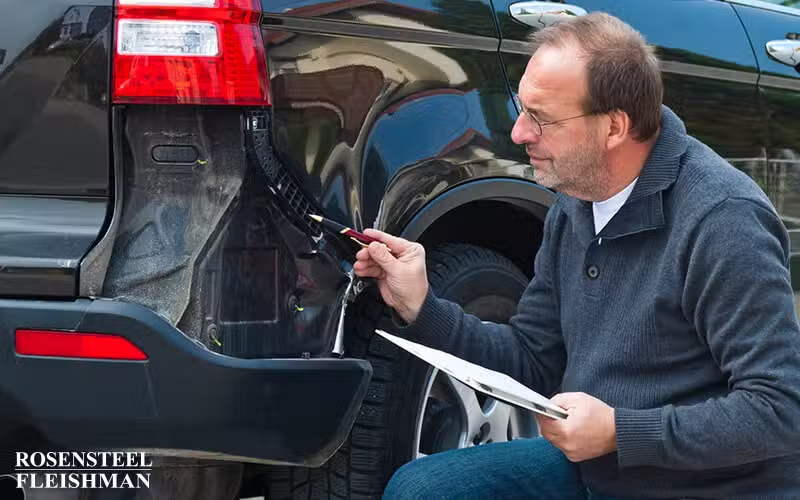

North Carolina law allows cities to use civilian traffic investigators for crashes involving property damage only. That statewide authority and a city’s actual staffing or dispatch arrangements are separate questions. An earlier proposal or projected start date does not establish who will respond to a crash in Asheville today.
What the North Carolina law authorizes
Under G.S. 160A-499.6, investigators complete a Justice Academy training program and at least four weeks of field training with an experienced law-enforcement officer. They carry city-issued credentials, wear a distinct uniform and have no authority to arrest or issue criminal process. The law assigns crashes involving personal injury or death to law-enforcement officers.
A civilian investigator’s report receives the treatment specified by G.S. 20-166.1(i). That provision should not be read as an automatic determination of civil responsibility, insurance coverage or the amount of any claim.
Confirm the responder and report
At a safe opportunity, record the responding agency, investigator’s name, report or case number and the instructions provided. The statute requires an investigator to show official credentials when an involved person or witness requests them. Describe what happened and any injury concern accurately; do not assume a property-damage classification answers a later medical question.
The sources linked here establish the legal framework and Asheville’s report-access options. They do not establish that Asheville currently dispatches civilian investigators to a particular type of call. For a specific incident, use the responding agency’s information rather than an old projected launch date.
Finding an Asheville crash report
The City of Asheville’s incident and crash report instructions, reviewed September 14, 2026, direct users to its Police to Citizen tool. The city says users can search by case number or by date and location and save a report as a PDF. It also describes in-person and mail requests through the Police Department Records Unit.
Use the official city page to reach the current tool and check the available request methods. Keep the case number, request date, version received and any supplement together. If a search does not return the report, record the search details and contact the Records Unit through the city’s published channel; an empty result alone does not explain whether a report exists or is ready.
Keep the report in context
Compare names, vehicle assignments, location, time and narrative entries with the original photographs, messages and other records available to you. Preserve disagreements as questions rather than editing the issued report. An agency can explain its process for an omitted or disputed entry; the report, any later correction and the supporting source should remain separate records.
Rosensteel Fleishman Car Accident & Injury Lawyers provides information about North Carolina car-accident claims. Questions about a report’s legal effect, fault, coverage, injuries or deadlines require review of the specific facts.
Additional Car Accidents Articles
Company Vehicle Crashes and Insurance Limits for Lasting Injuries
A company vehicle does not establish who must pay or how much insurance applies. Learn how to separate responsibility, coverage, and records of lasting losses.
Brake and Steering Failures That Can Cause a Car Accident
A suspected mechanical problem is not the same as an established crash cause. Learn how vehicle records, sight lines, and a clear timeline help separate observations from conclusions.
Resolving Charlotte Crash Claims When Both Drivers Deny Fault
When both drivers deny responsibility, the focus shifts to evidence rather than agreement. Separate observations from assumptions, document practical losses, and ask insurers to explain disputed decisions.



