
Highway crashes do not always happen during predictable rush hour congestion or in the middle of heavy commuter traffic. In North Carolina, a collision may occur late at night, during an off-peak afternoon, or on a relatively open stretch of interstate where traffic conditions initially appear straightforward. Claims arising from these crashes can still become […]
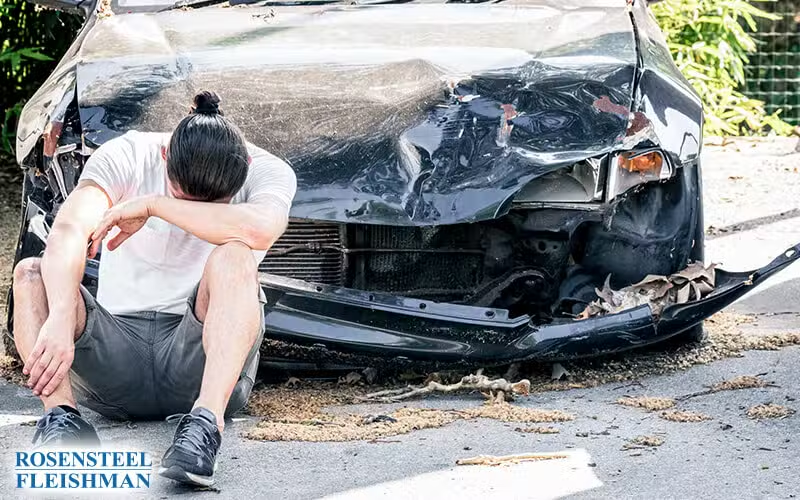

Being hit by a vehicle while walking can quickly shift a normal day into a situation filled with uncertainty. What may start as a routine walk across a street or parking lot can lead to injuries, ongoing medical care, and questions about what comes next. Many people find themselves balancing recovery with insurance communication and unexpected financial pressure, all while trying to maintain their daily routines.
In Charlotte, these incidents often occur where vehicle and foot traffic intersect, such as busy intersections, shopping areas, and neighborhood streets. While immediate medical attention is the first priority, it does not take long for additional concerns to arise. Taking time to understand how these situations are typically approached can help reduce confusion and make the process feel more manageable. For those seeking additional perspective, exploring how a Charlotte pedestrian accident attorney near me evaluates these situations can offer helpful context about what factors may be considered after an incident.
TLDR
- Pedestrian accidents can result in serious injuries and extended recovery timelines
- Medical care and consistent documentation are important early in the process
- Insurance communication often begins quickly and may not reflect long term effects
- Factors like visibility, traffic flow, and driver behavior can influence outcomes
- Understanding next steps can help reduce stress and support informed decisions
Understanding the Impact of Being Hit by a Vehicle
Pedestrians have little physical protection during a collision, which means injuries can be more severe compared to other types of accidents. Even incidents at lower speeds can result in fractures, soft tissue damage, or head injuries that require continued care. Recovery may involve multiple stages, including follow up visits, physical therapy, and monitoring for symptoms that develop over time.
The effects are not limited to physical injuries. Many individuals experience disruptions to their daily lives, including time away from work, limited mobility, and changes to normal routines. These challenges can create additional stress, particularly when combined with medical expenses and uncertainty about how long recovery may take.
Why Some Injuries Take Time to Develop
Not every injury appears right away. Adrenaline can mask pain in the immediate aftermath, and symptoms may not become noticeable until hours or even days later. Because of this, early medical evaluation and continued monitoring are important, even when injuries initially seem minor.
What Happens in the Days After a Pedestrian Accident
In the days after an accident, many people begin gathering details about what occurred. This can include photos, witness information, and any available reports. Collecting this information early can help create a clearer picture of the situation and provide useful context if questions arise later.
At the same time, insurance communication may begin. Requests for statements or documentation can happen quickly, and staying organized from the beginning can make the process easier to manage. Keeping track of appointments, symptoms, and interactions helps build a more complete and accurate record over time.
Staying Organized During Recovery
Maintaining clear records can make the process easier to manage. Helpful items to track include:
- Medical visits and treatment plans
- Photos showing how injuries change over time
- Notes about pain levels or activity limitations
- Any written or recorded communication related to the incident
Having this information readily available can reduce confusion and support clearer communication.
Insurance Considerations and Next Steps
Insurance companies often begin reviewing incidents shortly after they are reported, evaluating initial details, requesting statements, and forming early impressions based on limited information. While this process may seem routine, it can become more complex as additional facts, medical updates, and coverage questions come into play. One important consideration is timing, since early evaluations do not always reflect the full impact of an injury, particularly when treatment is ongoing or symptoms develop over time.
Approaching these conversations with clear, consistent information is essential. Keeping records organized, including medical visits, symptoms, and communication with insurers, can reduce confusion and help ensure that the situation is evaluated more accurately. For broader context, some individuals also find it helpful to understand how these scenarios fit within larger injury related claims and how documentation and liability are typically reviewed.
Common Factors That Influence Pedestrian Accidents
Pedestrian accidents are rarely caused by a single issue. Instead, they often involve a combination of factors that come together in a specific moment. Driver awareness, road design, and environmental conditions can all influence how these incidents occur.
Common contributing elements include failure to yield at crosswalks, distracted driving, reduced visibility, and heavy traffic conditions. In a growing city like Charlotte, these factors can vary widely depending on location and time of day. Understanding these patterns can help explain what may be considered when reviewing how an incident happened.
Moving Forward After a Pedestrian Accident in Charlotte
Recovery after being hit by a vehicle involves more than physical healing. It includes managing medical care, staying organized, and gaining a clearer understanding of how the situation may unfold over time. While the process can feel overwhelming, having a better sense of what to expect can make each step easier to navigate.
By focusing on recovery, maintaining clear documentation, and staying informed, individuals can move forward with greater confidence. Rosensteel Fleishman works with individuals across Charlotte who want to better understand pedestrian accident situations and how to approach the next steps after an unexpected injury.
Additional Car Accidents Articles
Left Turn Gap Judgment Errors When Visibility or Road Design Plays a Role
What happens when a driver begins a left turn and another vehicle suddenly changes lanes? The available opening can disappear almost instantly. In Charlotte traffic, this type of conflict may occur near multilane intersections where drivers must monitor oncoming vehicles, traffic signals, pedestrians, and vehicles moving between lanes at the same time. These crashes can […]
Multi Policy Insurance Considerations When One Policy Does Not Cover Every Loss
Insurance coverage after a serious car accident is not always limited to one policy. A collision may involve liability coverage, underinsured motorist coverage, medical payments coverage, an employer’s commercial policy, or another source of compensation. Identifying each applicable policy can affect how losses are documented, how negotiations develop, and whether a proposed resolution fairly reflects […]
What Happens When Vehicle Damage Appears Later Despite an Initial Inspection
Damage found days or weeks after a collision can complicate an insurance claim, especially when the cause of the crash or responsibility for the repairs remains disputed. A vehicle may look drivable during an initial roadside review in Charlotte, yet later show suspension problems, electrical faults, alignment issues, or damage hidden beneath exterior panels. When […]


