
Clear images are only part of a useful photo submission. Connect each file to the claim, explain its context, preserve originals, and track what still needs review.
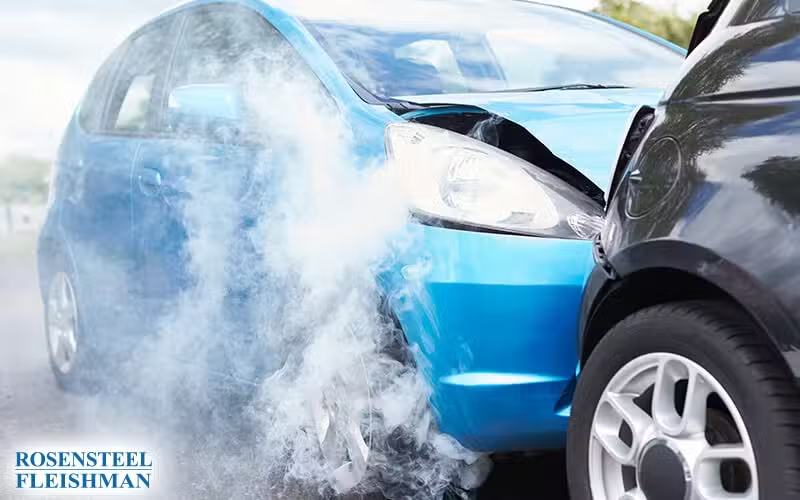

Distraction, speed, impairment and roadway conditions can all raise questions after a Charlotte collision. A list of risk factors can help you organize those questions, but it cannot identify the cause of an individual crash. Nor does a national statistic establish which cause is most common on a particular Charlotte street.
Distraction: identify the activity and the timing
NHTSA’s distraction guidance includes activities beyond phone use, such as eating, speaking with passengers or adjusting a navigation system. The question after a crash is what activity occurred, when it occurred and whether it affected the driving task.
Keep an eyewitness’s actual observation separate from a guess based on the driver looking down. Note available video and preserve messages or device records already lawfully in your possession. Access to another person’s phone or records requires appropriate permission or legal process.
Speed: distinguish a limit from the conditions
NHTSA explains that excessive speed increases stopping distance and crash severity. Driving at the posted limit can still be unsafe for conditions such as poor visibility or bad weather. An estimate that a car “looked fast” is different from a measured speed.
Record the posted limit, traffic, visibility and source of any speed estimate. Preserve original video or vehicle information where available. Do not calculate an impact speed from a damage photograph alone.
Impairment: separate observations from findings
NHTSA’s alcohol-impaired driving information explains how alcohol affects driving abilities. In a particular file, a witness observation, an officer’s suspicion, a test result and a later court outcome are different records. Keep their dates and sources clear rather than treating one as a substitute for another.
Road and weather: describe the actual condition
A wet road, obscured sign or blocked sight line is worth documenting. State the location and time, what was visible, and whether the record was made during the crash or later. Do not infer that a named Charlotte road is unusually dangerous from one collision or an unsourced list.
The North Carolina crash-report manual includes separate contributing-circumstance fields for drivers and roadways. A coded entry helps identify an issue for review; it is not a complete explanation of how several conditions interacted.
Use a question, source and uncertainty check
For a turn across another vehicle’s path, for example, the questions might be: Which movement occurred first? What signal was visible? Was the view blocked? Which account is firsthand? Put the relevant video, photograph or account beside each question, and mark what remains unknown. Several factors can require investigation at the same time.
A citywide “top causes” ranking needs a named dataset, a stated year and geography, and an explanation of what its categories count. This guide does not rank Charlotte causes or infer responsibility from national totals.
The guide to matching evidence with disputed facts explains the next step when sources conflict. If you need help evaluating a particular collision, the firm’s Charlotte car-accident services describes available assistance.
Additional Car Accidents Articles
Company Vehicle Crashes and Insurance Limits for Lasting Injuries
A company vehicle does not establish who must pay or how much insurance applies. Learn how to separate responsibility, coverage, and records of lasting losses.
Brake and Steering Failures That Can Cause a Car Accident
A suspected mechanical problem is not the same as an established crash cause. Learn how vehicle records, sight lines, and a clear timeline help separate observations from conclusions.
Resolving Charlotte Crash Claims When Both Drivers Deny Fault
When both drivers deny responsibility, the focus shifts to evidence rather than agreement. Separate observations from assumptions, document practical losses, and ask insurers to explain disputed decisions.




