Clear images are only part of a useful photo submission. Connect each file to the claim, explain its context, preserve originals, and track what still needs review.
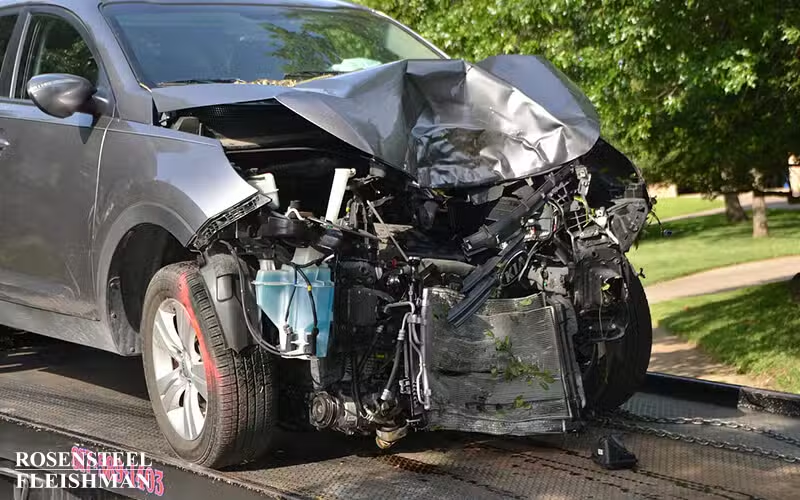

A driver may admit having no insurance, present an expired card, leave the scene, use another person’s vehicle, or later be denied coverage. Do not assume the initial statement resolves the insurance question. Protect health, identify the people and vehicles, and obtain written coverage positions.
An uninsured-driver claim requires two coordinated records: the liability and damages evidence against the responsible driver, and the contractual and statutory evidence showing who is insured, which UM coverage applies, and whether every policy condition was met.
Handle safety and reporting first
Call for emergency assistance when needed, move from continuing danger when safe, and report the collision. Record the other vehicle, plate, driver, owner, occupants, direction of travel, witnesses, responding agency, report number, and any statement about insurance. In a hit-and-run, note the contact, vehicle description, damage transfer, debris, video sources, and search steps.
Preserve fault evidence
- Scene, vehicle, damage, roadway, signal, sight-line, weather, and final-position photographs
- 911, dispatch, body-camera, dash-camera, traffic, business, residence, transit, and fleet video
- Witness identity and first-hand account, crash report and supplements, citations, and vehicle ownership records
- Event data, telematics, phone or app evidence when justified, inspection, repair, tow, and storage records
Identify every potentially responsive policy
G.S. 20-279.21 addresses uninsured- and underinsured-motorist policy provisions. Review the claimant’s policy, policies for the occupied vehicle, household policies, employer or commercial policies, and any other coverage connected to the people or trip. Preserve declarations, policy forms, endorsements, effective dates, and notices.
Obtain written positions
Ask the alleged at-fault insurer to confirm its policy and coverage decision. Give timely notice to potential UM carriers and record claim numbers, adjusters, requested proof, reservations, examinations, statements, authorizations, consent or settlement issues, and response dates. Do not rely only on a telephone description.
Document injury and property loss separately
Maintain the medical chronology, baseline, treatment, restrictions, function, wage effect, expenses, and future-needs evidence. Separately record vehicle inspection, estimate, value, rental need, storage, deductible, repair, total loss, title, and salvage. Department of Insurance guidance explains first- and third-party property claims and medical-payments coverage.
Coordinate other benefits
Collision, medical-payments, health insurance, disability, workers’ compensation, or another benefit may respond while the UM claim is investigated. The Department’s coverage guide describes common coverages. Track each payment, deductible, lien, reimbursement, credit, and subrogation claim by source.
Review releases and settlements across all policies
A payment or release involving the driver, owner, liability carrier, property claim, employer, or another person can affect remaining rights. Identify every claim and policy covered by the document, required consents or notices, payment allocation, liens, indemnity, and unresolved losses before signing.
Follow the complete first-response sequence
The related North Carolina car-accident first-steps guide covers safety, statutory duties, people, scene evidence, medical care, insurer notice, and document control.
Rosensteel Fleishman Car Accident & Injury Lawyers provides information about uninsured-driver claims after Charlotte car accidents.
Sources
Additional Car Accidents Articles
Company Vehicle Crashes and Insurance Limits for Lasting Injuries
A company vehicle does not establish who must pay or how much insurance applies. Learn how to separate responsibility, coverage, and records of lasting losses.
Brake and Steering Failures That Can Cause a Car Accident
A suspected mechanical problem is not the same as an established crash cause. Learn how vehicle records, sight lines, and a clear timeline help separate observations from conclusions.
Resolving Charlotte Crash Claims When Both Drivers Deny Fault
When both drivers deny responsibility, the focus shifts to evidence rather than agreement. Separate observations from assumptions, document practical losses, and ask insurers to explain disputed decisions.