
A serious fall in Charlotte can affect an entire household when an injury does not fully heal. Medical appointments, work restrictions, transportation needs, and daily assistance may continue long after the accident scene has been cleaned up. Families trying to understand how permanent injuries affect fall claims should pay close attention to both medical evidence […]
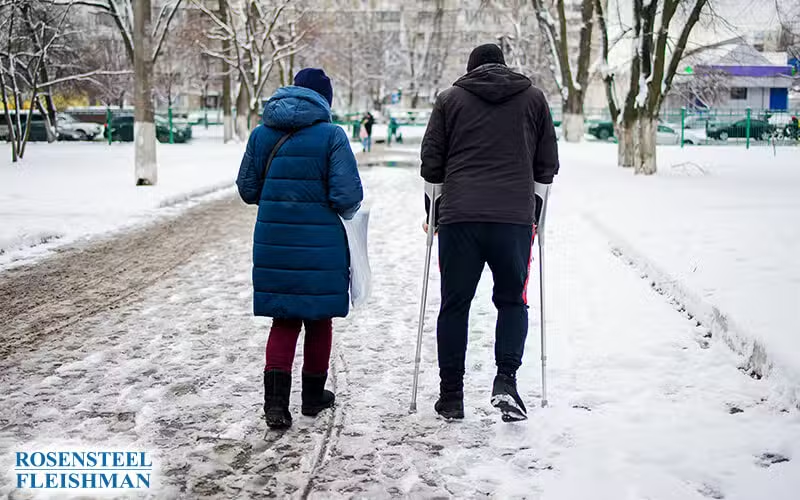

After a fall, it’s easy to feel overwhelmed. You might be in pain, unsure about what steps to take next, or frustrated by how quickly medical bills start piling up. One minute you were walking through an office, store, or parking lot—and the next, you're on the ground with injuries that could impact your ability to work or take care of your family. These accidents can happen to anyone, and while they might seem simple at first, the legal and financial complications that follow are anything but.
Falls that occur because of unsafe conditions, poor lighting, or slippery floors often fall under what's known as premises liability. That means the property owner or manager may be responsible for keeping the area safe. If they fail to do so and someone gets hurt, there could be legal grounds to pursue compensation. That’s where working with a trip and fall injury attorney in Charlotte, NC can make a real difference. Having an experienced legal advocate can help you understand your rights and take the right steps to protect your future.
Rosensteel Fleishman Car Accident & Injury Lawyers has built a strong reputation in Charlotte for helping people in situations just like this. Whether you’ve slipped on a wet floor or tripped on uneven pavement, reaching out for legal help doesn’t mean you’re looking for trouble—it means you’re looking out for yourself. A quick phone call can provide peace of mind and clarity during a time when everything else feels uncertain.
TLDR Summary:
- Trip and fall injuries in Charlotte can lead to serious medical and financial challenges, especially when caused by unsafe property conditions.
- A trip and fall injury attorney in Charlotte, NC helps victims understand their legal rights, gather evidence, and pursue fair compensation.
- North Carolina’s contributory negligence laws make it essential to have strong legal support to protect your claim.
- Rosensteel Fleishman provides local experience, clear communication, and personalized attention to help clients after slip and fall accidents.
If you’ve been hurt in a fall, whether at work or in a public place, getting legal help can make the recovery process far less stressful. With the support of a reliable Charlotte law firm like Rosensteel Fleishman, you can better navigate the medical bills, lost income, and insurance complications that often follow. Their team understands both the legal system and the emotional impact of personal injuries, making them a smart choice for anyone seeking guidance after a trip and fall accident in North Carolina. Their experience also extends to cases involving car accidents and other personal injury claims, offering comprehensive north carolina accident legal support. By choosing an attorney who understands the nuances of state law, clients can feel confident in pursuing fair compensation for their injuries. With a focus on client success, they strive to alleviate some of the burden during what can be a challenging time.
Understanding Trip and Fall Accidents and How They Affect You
Trip and fall incidents can result in more than just temporary soreness. Some injuries, like concussions or hairline fractures, might not be immediately noticeable but can still have long-term consequences. Others, such as broken bones, knee injuries, or back trauma, can require surgery and extensive physical therapy. These types of accidents can also cause emotional distress, especially if they impact your ability to work or live independently.
Property owners have a duty to ensure that their spaces are safe for visitors, customers, and employees. If a walkway is cracked, a stairwell lacks a proper handrail, or spilled liquids aren't cleaned up in a reasonable time, that could point to negligence. If that negligence contributed to your fall, you may have grounds for a legal claim. The key is proving the circumstances and showing that your injury could have been prevented with proper care.
Working with a Slip and Fall Accident Lawyer in Charlotte can help you uncover what happened and why. A good attorney will gather evidence such as photos, witness statements, and maintenance records. They’ll also handle the insurance companies, who often try to minimize payouts or argue that the accident was your fault. With the right legal support, you don’t have to face this process alone.
Common Causes of Trip and Fall Accidents
Every trip and fall is unique, but there are a few common factors that come up again and again. These include poorly lit stairwells, loose floorboards, uneven pavement, cluttered walkways, or slippery surfaces from spills or weather conditions. In workplace settings, cords, open drawers, or improper footwear policies can also lead to injuries.
A Charlotte lawyer who focuses on premises liability understands how to investigate these causes. They know what questions to ask and what evidence to look for. Whether your accident happened at work, in a public place, or on private property, having someone who knows the ins and outs of these situations can make a big difference in the outcome of your claim.
Legal Rights After a Trip and Fall Accident in North Carolina
In North Carolina, laws surrounding slip and fall cases can be complex. One of the biggest challenges is the state’s contributory negligence rule. This means that if you’re found to be even slightly at fault for your injury, you might not be able to recover any compensation. This makes it all the more important to have someone who understands how to build a strong case and minimize any arguments against your claim.
An experienced Slip and Fall Accident Lawyer in Charlotte will know how to address these challenges. They’ll work to show that the property owner had a duty to maintain a safe environment and failed in that responsibility. This could include showing that hazards existed long enough for someone to fix them or that similar issues had occurred in the past without proper action being taken.
Your legal rights also include pursuing compensation for things like medical bills, lost wages, pain and suffering, and even future medical expenses if your injury requires long-term care. These costs can add up quickly, and insurance companies rarely offer fair settlements without pressure. A Slip and Fall Accident Law Firm can guide you through the legal process and help ensure that your rights are protected.
The Importance of Acting Quickly
There’s also a time limit to file a personal injury claim in North Carolina. The statute of limitations for most slip and fall cases is three years from the date of the injury. That may seem like plenty of time, but building a strong case takes preparation. Evidence can disappear, witnesses can forget details, and businesses may change ownership. Acting sooner rather than later can make a significant impact on the strength of your claim.
Why Local Knowledge Matters When Choosing a Charlotte Lawyer
Hiring a local attorney comes with several advantages. A Charlotte-based Slip and Fall Accident Lawyer understands how local courts operate and may already be familiar with opposing attorneys and judges in the area. That familiarity can lead to smoother negotiations and better results. Local attorneys are also more accessible, meaning you won’t have to jump through hoops just to get answers about your case.
Rosensteel Fleishman’s deep roots in the Charlotte community mean they know how to handle local personal injury claims effectively. They understand the unique legal landscape in North Carolina and are committed to guiding clients through each step with care and clarity. From the initial consultation to a possible court case, you’ll have someone in your corner who’s focused on your needs.
Working with a local Slip and Fall Accident Law Firm also makes it easier to conduct investigations. Whether that means visiting the site of the accident or tracking down security footage, having a team close by helps speed things up. And in a legal process that often feels slow, having responsive, efficient support is something you’ll appreciate quickly.
How Legal Guidance Protects You After an Injury
After an accident, you may be tempted to handle things yourself, especially if the property owner or their insurance company seems cooperative. But without a legal background, it’s hard to know whether an offer is fair or if your rights are being fully respected. What sounds like a quick fix could leave you without enough money to cover your long-term needs.
A trip and fall injury attorney in Charlotte, NC can give you peace of mind. They’ll explain your options in plain language and help you make informed choices. Whether that means settling out of court or pursuing a lawsuit, you’ll be in control of your path forward. You deserve that kind of clarity during a time when nothing else feels simple.
What To Expect When You Work With a Trip and Fall Injury Attorney in Charlotte, NC
Reaching out to a trip and fall injury attorney in Charlotte, NC doesn’t have to feel intimidating or overwhelming. In fact, one of the biggest advantages of working with an experienced local attorney is having someone who takes the pressure off your shoulders. From the very first conversation, the goal is to give you clarity, peace of mind, and a plan for moving forward. Whether your accident happened at work, in a grocery store, or on a friend’s property, the process typically begins with a simple consultation to go over what happened and determine whether you may have a case.
Your attorney will ask about the details of your fall—when and where it occurred, whether there were any witnesses, and what kind of injuries you’ve suffered. It’s not just about gathering facts. It’s also about understanding how the accident has affected your daily life. Have you missed time from work? Are you facing medical bills? Has your injury affected your ability to care for your kids or perform regular tasks? These real-world impacts matter just as much as any legal technicality. A seasoned Slip and Fall Accident Lawyer near you will focus on the full picture, not just the paperwork. When navigating the aftermath of a sidewalk accident legal advice can be invaluable, as it helps you understand your rights and options. Having an experienced attorney by your side will ensure that you are not overwhelmed by the complexities of the legal process. They can provide guidance on how to document your injuries and the challenges you've faced in your recovery.
Once your attorney has the information they need, they’ll begin building your case. This often involves collecting evidence like photos, video footage, incident reports, and maintenance records. They may also reach out to witnesses or consult with medical experts. A good Slip and Fall Accident Law Firm understands that timing matters. The sooner they get involved, the easier it is to secure fresh evidence and accurate recollections. They’ll also take over communication with the insurance company so you don’t have to worry about saying the wrong thing or accepting a lowball offer.
How Legal Representation Levels the Playing Field
One of the most frustrating parts of dealing with a trip and fall injury is realizing how quickly insurance companies try to downplay your experience. They may question the severity of your injuries or suggest that you were at fault. This is where having legal representation really matters. Your attorney knows how to respond to these tactics and how to protect your rights under North Carolina law. They’ll push back when needed and advocate for a settlement that covers both your current and future needs.
Most people don’t know the full value of their claim. It’s not just about covering medical expenses—it’s also about lost income, pain and suffering, and in some cases, future rehabilitation or home modifications. A Slip and Fall Accident Lawyer in Charlotte brings insight into how these damages are calculated and how to make sure nothing is overlooked. That kind of attention to detail can make a significant difference in your recovery, both physically and financially.
The legal process doesn’t always end up in court. In many cases, your attorney can negotiate a fair settlement without ever going to trial. But if court does become necessary, you’ll be ready. Your lawyer will handle filings, prepare arguments, and represent you at every stage. The goal is always to make the process as smooth and stress-free as possible so that you can focus on what matters most—your health and your future.
The Value of Choosing Rosensteel Fleishman After a Slip and Fall
Choosing the right firm after a slip and fall injury isn’t about finding the flashiest advertisements or the loudest voices. It’s about working with professionals who understand what you’re going through and have the background to help you move forward. Rosensteel Fleishman brings experience, attention to detail, and a personal touch to every case they handle.
Their team works hard to make sure clients feel heard. Whether you’re dealing with a painful injury, time away from work, or mounting medical bills, they take the time to listen and build a plan that fits your goals. They also know how frustrating it can be to deal with insurance adjusters who seem more focused on minimizing payouts than helping people recover.
Working with a firm that focuses on slip and fall injuries means you’ll have someone on your side who knows how to prove liability and push for fair compensation. They’ve handled a wide range of personal injury cases throughout Charlotte and across North Carolina, giving them the experience needed to handle tough cases with confidence and care.
Start with a Free Consultation and Get the Help You Deserve
Taking the first step toward legal help doesn’t have to be difficult. Rosensteel Fleishman offers free consultations, so you can ask questions and get a sense of your options without pressure. If you’ve been injured in a fall, don’t wait until the medical bills become overwhelming or the insurance company starts giving you the runaround. A quick call to 1-704-714-1450 could be the beginning of a smoother, less stressful recovery.
As attorney Corey Rosensteel puts it, “When someone calls us after a fall, we’re not just thinking about a legal case. We’re thinking about how we can help them get their life back on track.” That mindset—focused on people first—is what makes Rosensteel Fleishman a smart option for anyone facing the aftermath of a personal injury.
Reach out today to speak with someone who genuinely cares about your recovery. You’ll get clear answers, reliable support, and a team that’s ready to stand by you every step of the way.
Additional Slip and Falls Articles
Posture Changes Workplace Injuries May Cause over Time in Charlotte, North Carolina
Starting a workers compensation claim begins an important process, but it does not place every part of the case on automatic pilot. An injured employee may still need to report symptoms, attend appointments, follow work restrictions, review benefit payments, and respond to requests from the employer or insurance carrier. Missing one of these responsibilities can […]
Medical Records Tracking After Fall in Charlotte, NC and How It Helps Support a Claim
Can a missed appointment, delayed diagnosis, or incomplete medical note affect how a fall claim is understood later? After a fall in Charlotte, medical care often becomes part of the story of what happened, how the injury developed, and how daily life changed afterward. Keeping track of records is not only about paperwork. It helps […]
Cartilage Damage After Fall Injury and Signs That Recovery May Be More Complex
Cartilage damage after fall injury can make recovery more complicated because it often affects how a joint moves, absorbs pressure, and handles everyday activity. A person may expect soreness to fade after a few days, but cartilage problems can create pain, swelling, stiffness, or clicking that continues long after the initial impact. In Charlotte, NC, […]