How can someone protect their interests when recovery after a fall remains difficult to understand? In Charlotte, the answer often begins with maintaining clear records, following established provider instructions, and asking appropriate questions when the existing information leaves important concerns unresolved. The decision to seek another evaluation is personal and should be discussed with a […]
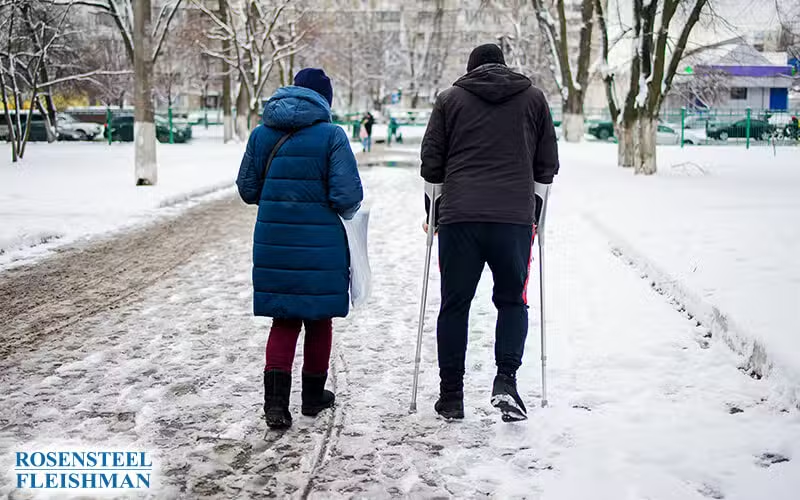

Poor lighting can make an ordinary walkway difficult to navigate, especially when shadows conceal a spill, uneven flooring, loose debris, or a change in elevation. In Charlotte, visibility problems may arise in apartment stairwells, parking garages, restaurants, retail stores, and other properties used by the public. When a fall causes an injury, the lighting conditions and the person’s physical recovery may become important parts of understanding what happened.
Recovery records may also include discussions about nutrition, activity restrictions, and protein intake. These subjects should be addressed with a qualified medical professional because individual needs can vary based on age, health history, injury type, medication use, and treatment plans. Someone with questions about how the accident may affect a legal claim can separately consult slip and fall claim lawyers about evidence, insurance issues, and available options.
How Lighting Conditions Can Affect a Fall Investigation
Lighting is often relevant because property owners and occupants may have a responsibility to address conditions that create an unreasonable risk for visitors. A dim area does not automatically establish responsibility, but it can help explain why a hazard was difficult to see. A slip and fall lawsuit attorney may evaluate the lighting together with maintenance records, witness accounts, photographs, surveillance footage, and information about the underlying hazard.
Several details can influence how visibility is assessed:
- Whether fixtures were working at the time of the incident
- Whether shadows or glare concealed the dangerous condition
- How long the visibility problem may have existed
- Whether anyone previously reported a burned-out light or similar issue
- Whether warning signs or barriers were present
Consider a Charlotte resident walking through an apartment parking garage during the evening. A ceiling light near a pedestrian route has stopped working, and a shallow puddle blends into the dark concrete. The resident slips, falls, and later reports the condition to property management. Photographs taken soon afterward could help show the limited visibility, while maintenance requests might reveal whether management knew about the failed fixture before the incident.
Timing can matter because lighting conditions change easily. A bulb may be replaced, a spill may be removed, or surveillance video may be overwritten. Written incident reports, dated photographs, witness contact information, and copies of communications with the property owner can preserve facts that might otherwise become difficult to confirm.
Understanding Recovery Records and Nutrition Discussions
The physical effects of a fall can influence mobility, work duties, household responsibilities, and daily routines. Medical records may describe an injury, recommended restrictions, follow-up appointments, and the person’s reported symptoms. They may also document nutrition discussions when a healthcare professional believes diet is relevant to the broader recovery plan.
Questions about protein targets after fall injury do not have one universal answer. A suitable amount may depend on factors that are not apparent from the accident alone. Rather than relying on a general formula from an article, an injured person can ask a physician or registered dietitian whether a particular target is appropriate and how it fits with existing health conditions or treatment instructions.
From a claim perspective, the important issue is usually not whether someone followed an online nutrition rule. Instead, insurers may examine whether the person sought appropriate care, followed documented provider instructions, attended recommended appointments, and accurately reported changes in function. Keeping copies of written instructions can reduce confusion about what was recommended and when.
A simple recovery log may also provide useful context without requiring medical conclusions. For example, a person could record missed workdays, transportation costs, help needed with household tasks, and difficulties completing normal activities. Receipts, wage records, appointment summaries, and employer communications can support those entries with objective information.
Settlement discussions and formal legal proceedings are different paths toward resolving a claim. A settlement is a negotiated agreement that may avoid trial, while a lawsuit follows court procedures and may still end in settlement before a verdict. The strength of the available evidence, disputed responsibility, insurance coverage, documented losses, and the course of recovery can all affect which path is practical.
Evaluating the Available Options With Reliable Information
A careful evaluation begins with separating medical questions from legal questions. Healthcare professionals can explain treatment, nutrition, and physical limitations. Legal counsel can examine whether a property condition contributed to the fall, what evidence supports that position, and how North Carolina law may affect the claim.
It is also helpful to avoid estimating the full impact of an injury too early. Some expenses and limitations become clearer as appointments continue, work restrictions develop, and providers document progress. At the same time, waiting too long to preserve evidence can make the circumstances of the accident harder to establish.
When a Legal Consultation May Provide Clarity
Rosensteel Fleishman can review the circumstances of a Charlotte slip and fall, explain potential resolution paths, and discuss what documentation may be relevant. A consultation does not require someone to make an immediate decision, and the firm can be reached at 1-704-714-1450 for a measured discussion of the available options.
The most useful next step depends on the question being asked. Medical and nutrition concerns belong with qualified healthcare professionals, while questions about unsafe lighting, property responsibility, insurance communications, and recoverable losses can be directed to legal counsel. Keeping those roles clear helps an injured person make informed decisions based on reliable information.
Additional Slip and Falls Articles
Planning Skills After Fall Recovery and Returning to Everyday Responsibilities
Rebuilding a dependable routine after a fall often happens one responsibility at a time. Even an injury that initially appears minor may continue affecting concentration, stamina, mobility, or confidence, which can make ordinary planning more difficult. Charlotte residents facing these challenges may also need to organize records, manage missed work, and understand whether speaking with […]
Job Restrictions After Fall and When Work Duties May Safely Change
A return to work after a slip and fall can create questions about which tasks remain appropriate and how temporary limits should be communicated. For workers in Charlotte, these questions often affect more than a daily schedule. They may also influence wages, employer expectations, and how an insurance company evaluates the broader impact of the […]
Hand Coordination After Fall and Signs of Functional Improvement
Why can a slip and fall claim keep changing even after the basic accident facts seem clear? The answer often involves the way functional limitations become noticeable over time. A person may immediately recognize pain or swelling, yet difficulty using keys, fastening clothing, typing, carrying groceries, or handling small objects may become clearer only after […]