
What happens when a driver begins a left turn and another vehicle suddenly changes lanes? The available opening can disappear almost instantly. In Charlotte traffic, this type of conflict may occur near multilane intersections where drivers must monitor oncoming vehicles, traffic signals, pedestrians, and vehicles moving between lanes at the same time. These crashes can […]
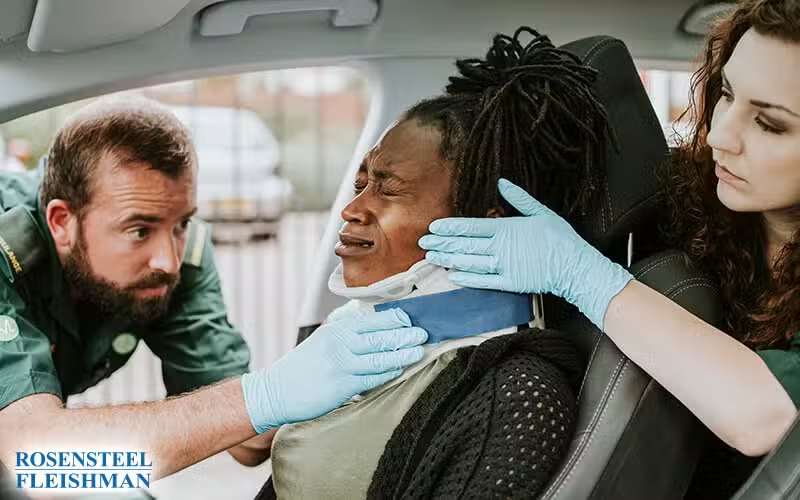

An initial legal consultation is easier to use when the information is organized, but an intake packet should not become an uncontrolled dump of every medical, financial, device, or family record. The aim is to identify the event, participants, immediate issues, available sources, important dates, and open questions while preserving originals and limiting sensitive information to what has been requested through a verified channel.
An intake packet should identify each item, source, date range, original location, sensitivity, purpose, verified recipient, transmission status, missing information, and question for the consultation.
Create a one-page event index
- Collision date, time, location, direction of travel, vehicles, drivers, occupants, reported injuries, law-enforcement agency, report number, and towing location
- Short neutral chronology that separates personal memory, another person’s statement, report content, photograph, video, and later information
- Immediate safety or medical concern, vehicle access, work issue, insurer communication, evidence-retention concern, and known date requiring review
- Names and contact information copied from source records, with uncertainty or spelling conflicts left visible
Index the crash records without treating the report as the whole case
NCDMV explains methods for obtaining North Carolina crash reports. For intake, record the agency, report number, request date, version, supplement, and source. The report may help identify people and evidence, but the packet should separately list photographs, video, dispatch, witnesses, vehicle records, towing, repair, and digital sources.
- Report, supplement, diagram, narrative, field codes, officer information, request receipt, and later correction kept as separate items
- Scene, vehicle, road, signal, weather, injury, property, and document photographs retained in original format with date, source, and description
- Witness, business camera, traffic camera, vehicle system, telephone, navigation, rideshare, delivery, or other possible source listed with custodian and retention question
- Repair, estimate, appraisal, total-loss, rental, storage, towing, title, ownership, and access status indexed without altering the property
Organize coverage and communications
- Policy, declarations, insurance card, vehicle, named insured, driver, carrier, claim number, adjuster, telephone number, email, and coverage position
- Letter, email, text, portal item, call log, voicemail, form, authorization, release, payment, estimate, and deadline copied with date and sender
- Recorded statement request, medical authorization, property release, settlement document, payment instruction, or broad information request marked for discussion before signature or transmission
- No assumption that an insurer, employer, benefit plan, vehicle owner, or other participant has the same duties or interests
Use a short medical and function index
- Emergency response, facility, provider, date, complaint, examination, test, assessment, instruction, prescription, referral, restriction, and next appointment
- Prior related condition or treatment identified rather than omitted, with pre-event and post-event records separated
- Work absence, work restriction, activity change, transportation need, household assistance, and symptom change listed by date and source
- Medical question reserved for a qualified health-care provider instead of answered in the intake summary
Reconcile losses at a summary level
- Provider bill, insurer or benefit payment, adjustment, personal payment, refund, balance, and collection status recorded separately
- Employer, job, schedule, wage source, missed time, paid leave, unpaid time, restriction, accommodation, and return-to-work event
- Vehicle, rental, transportation, medication, device, household help, travel, and other expense supported by a dated source
- Unknown, disputed, estimated, recurring, reimbursed, or later amount clearly labeled rather than included as a fixed total
Verify the relationship and transmission channel
North Carolina State Bar Rule 1.18 addresses duties to a prospective client and explains that consultation status depends on the circumstances. Sending a packet, completing intake, or attending an initial discussion does not by itself confirm representation or assign responsibility for a deadline. Record engagement, non-engagement, referral, or pending status in writing.
Rule 1.6 addresses confidentiality of information relating to representation and precautions in communication. Before sending the packet, independently verify the recipient, domain or portal, requested files, transmission method, access controls, receipt, and who will review it. Do not send originals unless a verified process specifically requires them.
Prepare questions, not conclusions
- Who may be responsible, which policies may apply, what evidence may be temporary, and what source or deadline needs immediate confirmation
- Which records are missing, who controls them, what authorization may be required, and whether a preservation request is appropriate
- What has and has not been accepted, who owns each next action, how status will be confirmed, and which communications should continue
- What information should not yet be sent, what original should remain secured, and what question belongs with a medical, insurance, property, employment, or legal professional
The related guide to verifying contact details before sending injury-claim information to a law firm covers channel, sender, recipient, and consultation-status checks. This page owns the contents and index of the limited initial car-accident intake packet.
Rosensteel Fleishman Car Accident & Injury Lawyers provides general information about Charlotte car-accident claims. The materials needed for a specific consultation depend on the event, records, privacy concerns, and questions presented.
Sources
Additional Car Accidents Articles
Multi Policy Insurance Considerations When One Policy Does Not Cover Every Loss
Insurance coverage after a serious car accident is not always limited to one policy. A collision may involve liability coverage, underinsured motorist coverage, medical payments coverage, an employer’s commercial policy, or another source of compensation. Identifying each applicable policy can affect how losses are documented, how negotiations develop, and whether a proposed resolution fairly reflects […]
What Happens When Vehicle Damage Appears Later Despite an Initial Inspection
Damage found days or weeks after a collision can complicate an insurance claim, especially when the cause of the crash or responsibility for the repairs remains disputed. A vehicle may look drivable during an initial roadside review in Charlotte, yet later show suspension problems, electrical faults, alignment issues, or damage hidden beneath exterior panels. When […]
How Claim Documentation Supports a Car Accident Case Without Perfect Records
After a car accident in Charlotte, recovery often develops one day at a time, and the records connected to that process may be less complete than expected. A person might visit an emergency room, schedule follow-up care with a family doctor, miss a physical therapy appointment because of pain, or forget to save a receipt […]



