An accident timeline can combine device timestamps, calls, photographs, report entries, medical visits, insurer communications, repair events, work records, and personal recollection. Those sources do not have equal precision. A useful timeline keeps the source and confidence attached to every time entry. Each timeline row should contain the date and time, event, source, source-created date, […]
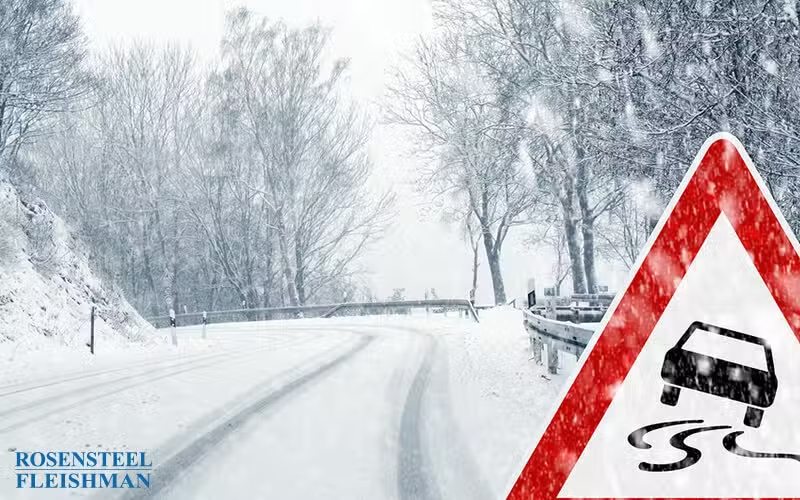

Rain, ice, fog, wind, glare, standing water, snow, smoke, and rapid temperature changes can alter visibility, traction, stopping distance, lane control, and the time available to react. A weather event does not make a crash unavoidable by definition, and a vehicle’s loss of control does not establish every element of fault by itself.
Weather is a condition to which drivers must respond; it does not replace the need to prove each driver’s conduct and causal role.
Reasonable speed depends on the conditions
North Carolina General Statute 20-141 requires a speed that is reasonable and prudent under existing conditions. It directs drivers to reduce speed as necessary for hazards including weather, road conditions, curves, grades, intersections, other traffic, and pedestrians. A posted maximum is not a promise that the same speed is reasonable in heavy rain, fog, ice, or reduced visibility.
- Vehicle speed before the hazard, braking, steering, following distance, lane position, lights, wipers, defroster use, and other driver inputs
- Visibility distance, precipitation, temperature, wind, pavement condition, drainage, standing water, treatment, shade, bridges, elevation, and traffic flow
- Forecasts, warnings, prior observations, signs, road closures, alerts, and conditions the driver had already encountered
- Tire type, tread, pressure, brakes, stability systems, maintenance, load, and any mechanical condition affecting control
Lane departure creates an issue, not an automatic final result
G.S. 20-146 contains lane-use rules, including driving as nearly as practicable within a single lane and first determining that movement can be made safely. Evidence that a vehicle crossed a center line or left its lane can support a negligence issue, while the reason for the movement and the surrounding conditions remain part of the analysis.
Sobczak shows why foreseeability matters
In Sobczak v. Vorholt, reported in volume 181 of the North Carolina Court of Appeals Reports, a vehicle slid on ice, crossed the center line, and struck an oncoming vehicle. The court addressed the lane statute, evidence offered to rebut negligence, and a sudden-emergency argument. Evidence of snow and icy areas supported the conclusion that encountering ice was foreseeable on that record.
The decision does not make every skid negligent. A dry-looking bridge that freezes first, water from an unexpected source, a sudden whiteout, a falling tree, or a known winter-weather system can present different notice and response evidence. What the driver knew or should have known must be tied to time and place.
Separate conditions by weather type
- Rain and standing water: depth, drainage, tire path, hydroplaning evidence, speed, traffic spray, and visibility
- Ice and snow: temperature history, refreezing, bridge or shaded-area conditions, treatment records, forecasts, and earlier patches
- Fog, smoke, or whiteout: measured or described visibility, entry point, speed change, lighting, warnings, stopping distance, and following traffic
- Wind or falling objects: gust records, high-profile vehicle load, tree or utility condition, warnings, and the timing of the obstruction
- Sun glare: roadway orientation, time, sight line, windshield condition, visor use, speed, and whether the obstruction persisted
Treat sudden emergency as a separate defense
The related guide to the sudden-emergency doctrine in North Carolina car-accident claims explains the need for a genuinely sudden danger, perception and response, and evidence that the person invoking the doctrine did not help create the emergency. Weather can supply the asserted danger, but foreseeability and pre-emergency conduct still matter.
Preserve public and private evidence before it changes
- Dash, traffic, business, residential, and vehicle video in native form with timestamps and metadata
- Event-data, telematics, phone, navigation, connected-vehicle, inspection, and maintenance records when lawfully available
- Official weather observations, radar, warnings, road-treatment logs, maintenance records, drainage reports, and prior complaints
- Scene photographs and measurements showing sight distance, grade, surface, lane markings, debris, water, ice, vehicle paths, and damage
- Separate chronologies for each driver, the weather change, roadway condition, emergency response, medical care, and later statements
Rosensteel Fleishman Car Accident & Injury Lawyers provides general information about consulting a Charlotte car-accident lawyer when weather and road conditions affect fault. Driver conduct, vehicle condition, roadway responsibility, notice, causation, insurance, defenses, damages, and deadlines depend on the particular evidence and current law.
Sources
Additional Car Accidents Articles
North Carolina Car Accident Claim Checklist: From Report to Resolution
A car accident claim should move by completed evidence gates, not by a generic calendar. Reporting, vehicle inspection, treatment records, coverage investigation, wage documentation, lien review, evaluation, negotiation, and release review may overlap or require later correction. Each claim stage should identify required inputs, responsible person, completion evidence, unresolved issues, decision made, and the record […]
What Passengers and Drivers Should Preserve After a North Carolina Rideshare Crash
A rideshare crash file should identify each person’s role and the driver’s app status at the relevant time. A passenger trip, an available driver waiting for a request, and a driver transporting a private acquaintance can involve different facts and insurance questions. The rideshare file should preserve the trip record, app status, driver and vehicle […]
How to Build a Multi-Vehicle Car Accident Evidence Matrix
A multi-vehicle crash may contain several separate contacts and several insurance investigations. One driver may cause the first impact while a later driver contributes to a different contact. The file should not collapse every vehicle, statement, and policy into one narrative. The evidence matrix should give each vehicle its own identity, driver, owner, insurer, movement, […]