
Highway crashes do not always happen during predictable rush hour congestion or in the middle of heavy commuter traffic. In North Carolina, a collision may occur late at night, during an off-peak afternoon, or on a relatively open stretch of interstate where traffic conditions initially appear straightforward. Claims arising from these crashes can still become […]
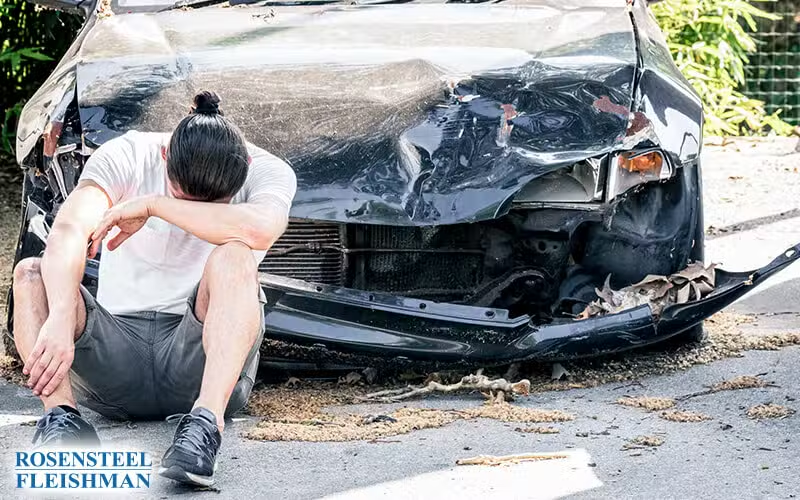

After a late afternoon drive along I-485 or a stop-and-go commute through Providence Road, it only takes one unexpected collision to set off a chain of decisions that extend far beyond the initial claim. What happens next is not always immediate, and for many drivers, the real financial impact does not appear until the next renewal notice arrives. That is often where informal assumptions about coverage meet structured insurance recalculations.
Some drivers assume that once a claim is settled, everything returns to normal. In reality, renewal is where insurers reassess risk using updated information, including accident history, claim costs, and even how the situation was resolved. “People are often surprised that the biggest change shows up months later, not right after the crash,” says Attorney Corey Rosensteel.
Understanding how policy renewal after accident situations work can help drivers avoid unexpected increases and make more informed decisions moving forward. This becomes especially important when comparing informal agreements, like handling minor damages privately, with formal claim resolutions that are documented and reviewed by insurers.
TLDR
- Policy renewal is when insurers reassess your driving risk after an accident
- Even minor claims can influence future premiums depending on documentation
- Timing, fault, and claim handling all play a role in rate adjustments
- Informal agreements may avoid claims but carry their own risks
- Reviewing your policy before renewal can help prevent surprises
How Policy Renewal After Accident Decisions Affect Premium Changes
Insurance renewal is not just a routine update. It is a structured evaluation point where insurers review past behavior, including any accidents, to determine future risk levels. This process often includes analyzing claim payouts, fault determination, and whether the incident suggests a pattern of risk. Even if a claim felt resolved at the time, its impact may not be fully visible until renewal.
Drivers in Charlotte may notice these changes more clearly after busy traffic periods, especially during morning congestion near Uptown or evening slowdowns on I-77. Accidents during high traffic times tend to involve more documentation, witnesses, and insurance review, which can influence how the claim is categorized later. This level of detail can directly affect how premiums are recalculated.
Informal Agreements Versus Documented Claims
Some drivers attempt to handle minor accidents informally by paying out of pocket or agreeing not to involve insurance. While this may seem like a quick solution, it carries risks. If damages are underestimated or injuries appear later, the lack of documentation can create complications that are harder to resolve.
On the other hand, formal claims create a clear record that insurers can evaluate. This documentation can work both ways. While it may lead to a premium increase, it also provides protection if disputes arise. Choosing between these paths often depends on the severity of the accident and the potential for hidden damages.
How Fault and Timing Influence Renewal Rates
Fault plays a significant role in how policy renewal after accident outcomes are calculated. If a driver is found at fault, insurers may view this as an increased risk, leading to higher premiums. However, even not-at-fault accidents can sometimes influence rates depending on the insurer’s policies and the number of claims filed.
Timing mistakes are another overlooked factor. Delaying a claim or failing to report details accurately can lead to complications during renewal. Insurers rely on consistent records, and gaps in reporting may raise concerns. Keeping organized documentation, including repair estimates and medical records, can help ensure that the renewal process reflects the situation accurately.
In some cases, speaking with someone familiar with accident-related insurance concerns can provide clarity before renewal. For example, reviewing your situation through a car accident attorney consultation in Charlotte, NC may help you better understand how documentation and claim handling could influence future premiums.
What Drivers Should Keep in Mind Before Their Next Renewal
As renewal approaches, it is helpful to take a step back and review how the accident was handled from start to finish. Small decisions made early, such as whether to file a claim or how quickly to report details, can carry weight later. This is especially true when insurers look for patterns or repeated risks across multiple policy periods.
A realistic scenario might involve a driver commuting through South Boulevard during rush hour who experiences a rear-end collision. At first, the damage appears minor, and both parties agree to handle it privately. Weeks later, repair costs increase, and medical concerns surface. Without proper documentation, the situation becomes more complicated, and the eventual claim may carry more weight during renewal than expected.
Common Misconceptions About Premium Increases
One common misconception is that only major accidents affect premiums. In reality, even smaller claims can influence rates depending on how they are recorded and reviewed. Another misunderstanding is that switching insurers will automatically eliminate the impact. Many insurance companies share claim data, which means accident history often follows the driver.
Insurance company behavior also plays a role. Some insurers apply gradual increases over time rather than immediate changes, which can make the connection between the accident and the renewal less obvious. This delayed effect can catch drivers off guard if they are not actively reviewing their policy details.
Practical Steps to Stay Prepared
Preparing for renewal does not require complex strategies, but it does benefit from attention to detail. Keeping track of all accident-related documents, reviewing policy terms, and asking questions before renewal notices arrive can make a difference. It is also helpful to compare coverage options and understand how different insurers approach accident history.
Staying informed about how policy renewal after accident situations are evaluated allows drivers to make decisions with a clearer understanding of the potential outcomes. This awareness can reduce surprises and help maintain better control over future insurance costs.
Taking a Thoughtful Approach to Insurance Changes After an Accident
Looking ahead after an accident often means thinking beyond immediate repairs and considering how future costs might be affected. Policy renewal is one of the most important checkpoints in that process, as it reflects how insurers interpret the entire situation. Taking time to review what happened and how it was documented can help create a more stable path forward.
Even small adjustments, like clarifying claim details or understanding how fault was determined, can influence how the next renewal is calculated. This is not about trying to avoid responsibility, but rather about ensuring that the information used to assess risk is accurate and complete. Clear communication and organized records can go a long way in shaping a fair outcome.
For drivers who feel uncertain about how their situation might affect future premiums, having a conversation with a knowledgeable professional can offer helpful perspective. Rosensteel Fleishman Car Accident & Injury Lawyers, based in Charlotte, provides insight into how accident details and documentation may connect to broader insurance concerns. Reaching out to Corey Rosensteel or Matthew Fleishman at 1-704-714-1450 can be a simple way to get clarity on what to expect and how to move forward with confidence.
Additional Car Accidents Articles
Left Turn Gap Judgment Errors When Visibility or Road Design Plays a Role
What happens when a driver begins a left turn and another vehicle suddenly changes lanes? The available opening can disappear almost instantly. In Charlotte traffic, this type of conflict may occur near multilane intersections where drivers must monitor oncoming vehicles, traffic signals, pedestrians, and vehicles moving between lanes at the same time. These crashes can […]
Multi Policy Insurance Considerations When One Policy Does Not Cover Every Loss
Insurance coverage after a serious car accident is not always limited to one policy. A collision may involve liability coverage, underinsured motorist coverage, medical payments coverage, an employer’s commercial policy, or another source of compensation. Identifying each applicable policy can affect how losses are documented, how negotiations develop, and whether a proposed resolution fairly reflects […]
What Happens When Vehicle Damage Appears Later Despite an Initial Inspection
Damage found days or weeks after a collision can complicate an insurance claim, especially when the cause of the crash or responsibility for the repairs remains disputed. A vehicle may look drivable during an initial roadside review in Charlotte, yet later show suspension problems, electrical faults, alignment issues, or damage hidden beneath exterior panels. When […]



