
Health insurance payments can raise repayment questions when a crash claim settles. Clear records help distinguish what was billed, what was paid, and what a health plan is asking to recover.
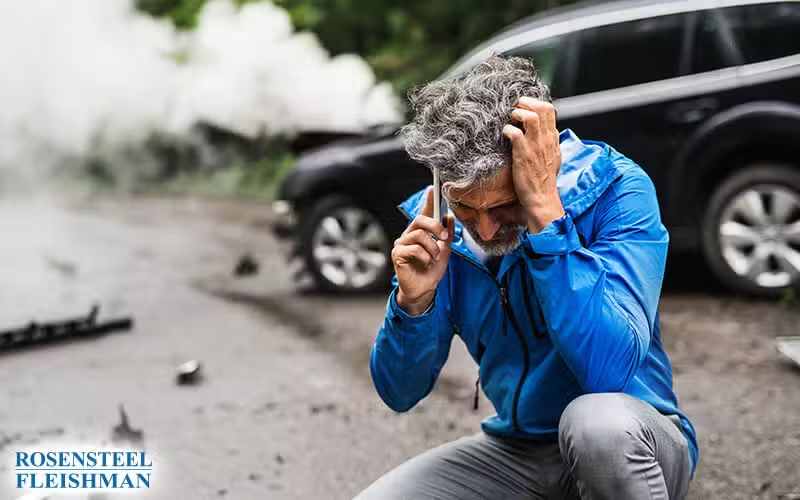

A driver’s report that sunlight obscured the road leaves important questions unanswered after a collision. Seeking payment for vehicle damage and other documented losses means looking beyond the glare itself to the driving decisions, available evidence, and insurance coverage involved. Depending on responsibility and policy terms, possible routes include a claim against another driver’s insurance or a claim under your own coverage.
The useful starting point is separating an explanation of poor visibility from evidence of who caused the collision. An account prepared for an insurer or an intersection car crash attorney should distinguish a driver’s statement about glare from observations about vehicle movement, traffic signals, and the point of impact. That distinction helps frame both the fault dispute and the request for payment.
Attorney Matthew Fleishman: "A statement about sun glare is a starting point for reviewing the evidence, not a complete explanation of responsibility."
How Visibility Conditions Fit Into the Fault Question
Environmental conditions provide context, but they do not answer every question about a driver’s conduct. The central issue is how reduced visibility relates to the actions that preceded the impact. Sun glare crash factors worth documenting include the direction each vehicle traveled, the time of the collision, sight obstructions, and any available evidence of braking or changes in speed.
At a shared intersection or neighborhood crossing, different people may have had different views. A pedestrian’s observation, a passenger’s account, and a driver’s explanation should remain separate rather than being combined into one supposedly certain version. Someone who saw the impact may not have seen the traffic signal or the moments before it.
Consider a hypothetical collision in which a driver reports that glare made a signal difficult to see. That statement alone does not establish what the signal displayed or whether the driver entered the intersection carelessly. Video, witness accounts, and the sequence of vehicle movements could support or challenge parts of that explanation.
A focused evidence file can preserve those distinctions. Useful records include:
- The collision date, approximate time, and each vehicle’s direction of travel, with uncertain details identified.
- Original scene photographs showing vehicle positions, road markings, signals, and visible obstructions.
- Available dashcam footage or other video, kept in its original form rather than only as edited clips.
- Witness contact information and notes identifying what each person actually observed.
- The crash report and claim correspondence, with disputed statements noted separately.
Photographs taken later should be labeled with their actual date and time. They can document the setting without necessarily recreating the visibility at the moment of impact. Avoid placing yourself in traffic or trying to reproduce hazardous conditions to strengthen a claim.
Matching Documented Losses to Possible Claim Routes
Fault evidence and loss records answer different questions. Evidence about glare helps explain how the collision happened; estimates, bills, and employment records help explain its financial consequences. Keeping both sets organized makes it easier to see whether an insurer disputes responsibility, the amount requested, or coverage.
A claim against another driver’s liability insurance generally involves the argument that the driver was responsible for the collision and resulting losses. If the insurer relies on sun glare to dispute responsibility, ask for a written explanation of its position. Identify which facts it accepts, which it disputes, and what additional records it requests instead of simply repeating that the other driver caused the crash.
Your own policy may offer a separate route for some expenses. If you have collision coverage, ask whether it applies to the vehicle damage, what deductible applies, and how a related claim against another insurer would be handled. Rental reimbursement and other benefits depend on the coverage purchased; do not assume that an expense is covered just because it followed the collision.
Keep repair estimates, invoices, towing and storage records, and receipts for replacement transportation. For missed work, preserve schedules, pay records, and employer correspondence showing the time and income involved. If medical expenses are part of the claim, keep the billing records separate from vehicle expenses without drawing medical conclusions from them. Documentation supports a request, but does not make every expense payable.
When an offer arrives, compare it with the losses it is intended to address and ask what any release would resolve. Clarify whether the payment concerns vehicle damage alone or a broader settlement before signing. If disagreement remains, possible next steps include requesting further claim review or assessing whether a civil lawsuit is appropriate. Those choices depend on the evidence, policy terms, applicable law, and filing requirements, not merely on the presence of glare.
Prepare a Clear Record of What Remains Disputed
A practical next step is to create a short claim status sheet showing the insurer’s position, the expenses submitted, any payments received, and unanswered questions. Place supporting documents behind it and clearly label estimates, confirmed amounts, and missing information. This makes a vague disagreement about sunlight easier to address as a set of specific evidence and payment questions.
If you discuss a disputed claim with Rosensteel Fleishman, that same file can keep the conversation focused on the unresolved issues rather than a general description of the crash. You do not need to reconstruct every detail with certainty. An honest record of what is known, what is disputed, and what each expense represents is more useful than treating glare as the whole explanation.
Additional Car Accidents Articles
How Speed and Visibility Shape Claim Outcomes After a Crash in Fog
Fog alone does not explain who caused a collision or what a claim may be worth. Speed, visibility evidence, responsibility, and documented losses each matter.
Reducing Injury Risks When Giving First Aid After a Crash in Charlotte
Responsible recordkeeping after a crash means separating observations from assumptions. Learn what to document about assistance, follow-up appointments, and practical disruptions.
How Scene Safety Affects Charlotte Crash Documentation and Claims
Safety can limit what you document after a crash. Clear notes about timing, vehicle spacing, and scene changes help explain those limits without guessing about fault.


