
When a crash disrupts more work and family responsibilities than expected, dated records can help explain what changed. Keep observations about distraction separate from records of daily consequences.
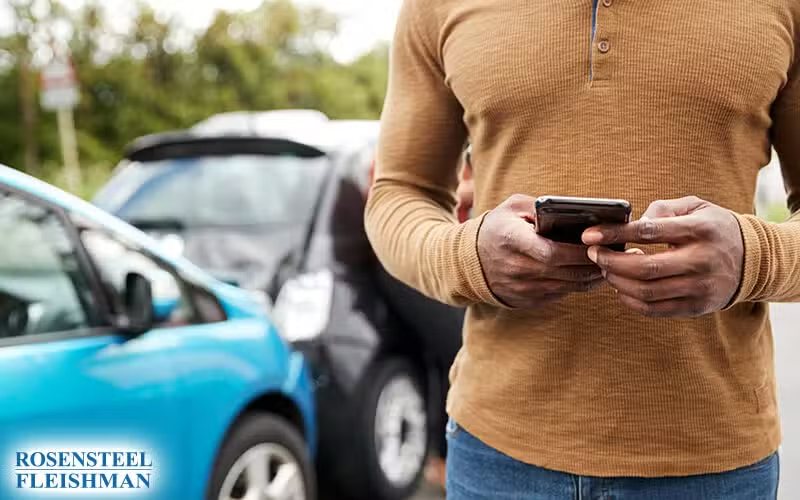

A multi-vehicle crash may contain several separate contacts and several insurance investigations. One driver may cause the first impact while a later driver contributes to a different contact. The file should not collapse every vehicle, statement, and policy into one narrative.
The evidence matrix should give each vehicle its own identity, driver, owner, insurer, movement, impact sequence, damage, witnesses, statements, and unresolved issues.
Create one row per vehicle and contact
- Driver, owner, vehicle, plate, insurer, policy, claim, passenger, and witness information
- Pre-impact lane and movement, first contact, later contacts, damage points, post-impact movement, and rest position
- Photograph, video frame, witness viewpoint, event-data source, crash-report entry, and citation disposition
- Responsibility position, coverage position, injury-causation issue, requested record, and response
Test the sequence before combining damages
Preserve original files and timestamps. Where accounts differ, build more than one sequence and mark the evidence supporting each. A final rest position or one damage photograph may not identify every earlier contact.
Use official records for the questions they can answer
The state insurance checklist identifies core driver, vehicle, policy, insurer, witness, and scene information. See North Carolina Department of Insurance: After an Accident.
NCDMV explains current crash-report request methods and privacy limits. See NCDMV: Crash Reports.
If litigation begins, North Carolina Rule of Civil Procedure 26 lists identified discovery methods. See North Carolina Rule of Civil Procedure 26.
Connect the file to the next decision
Reconcile the contact sequence before assigning a claimed injury, repair item, or coverage issue to a particular event. The related multi-vehicle accident responsibility guide provides a focused companion resource.
Rosensteel Fleishman Car Accident & Injury Lawyers provides information about consulting a Charlotte car accident lawyer when the sequence, responsibility, insurance, injury causation, or allocation among vehicles is disputed.
Sources
Additional Car Accidents Articles
Handling Aggressive Drivers in Charlotte, NC While Recovering From a Crash
After a crash, another driver’s pressure should not determine your account. Keep specific records of the encounter, later concerns, and practical disruptions while separating observations from conclusions.
Options for Recovering Losses After a Crash Caused by Sun Glare
Sun glare may explain reduced visibility without settling responsibility for a crash. Clear records can help connect driving decisions, documented losses, and available insurance options.
Why Charlotte Crash Settlements May Require a Health Insurance Repayment Review
Health insurance payments can raise repayment questions when a crash claim settles. Clear records help distinguish what was billed, what was paid, and what a health plan is asking to recover.



