Poor lighting can make an ordinary walkway difficult to navigate, especially when shadows conceal a spill, uneven flooring, loose debris, or a change in elevation. In Charlotte, visibility problems may arise in apartment stairwells, parking garages, restaurants, retail stores, and other properties used by the public. When a fall causes an injury, the lighting conditions […]
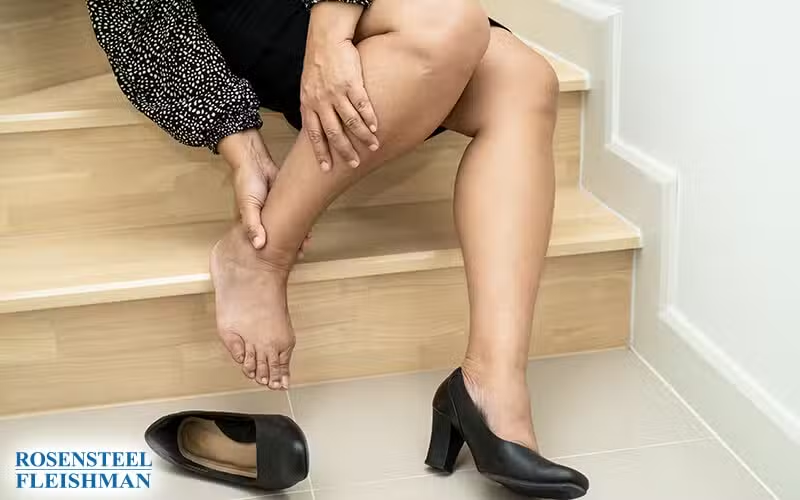

A fall injury can leave a person unsure about what to do next, especially when pain, medical appointments, missed work, and insurance questions begin happening at the same time. In Charlotte, a slip and fall accident may seem simple at first, but the choices made in the days and weeks afterward can affect health, documentation, and the way a potential claim is understood.
Decision making after fall injury often involves balancing immediate needs with longer-term concerns. Someone may need to decide whether to keep working, return to a doctor, speak with an insurance adjuster, or gather more information about where and how the fall happened. As Attorney Corey Rosensteel has said, “Good decisions often start with clear information, especially when someone is trying to recover and understand what comes next.”
Overview
After a fall, it helps to slow down, document what happened, pay attention to symptoms, and understand how each step may affect both recovery and a possible claim. Clear choices can make the process feel more manageable during an uncertain time.
How Choices After a Fall Can Affect the Claim Process
The biggest challenge after a fall is that decisions often need to be made before the full impact of the injury is clear. A person may feel sore at the scene, then notice worsening back pain, headaches, dizziness, or trouble walking later that day or the next morning. This uncertainty can make it difficult to know whether the injury is minor or whether it needs more careful medical attention.
Practical decisions matter because a claim is often built from details. Medical records, photos, witness information, incident reports, and communication with insurance companies can all shape how the situation is reviewed. If there are gaps in treatment or missing information about the hazard that caused the fall, it may become harder to explain what happened later.
A realistic example might involve someone slipping near the entrance of a grocery store in Charlotte after rainwater was tracked inside. At first, the person may feel embarrassed and leave quickly without reporting the incident. Later, knee pain and swelling make it hard to drive, work, or manage household tasks. In that situation, the absence of a report or photos may not end the matter, but it can make the process more difficult than if those details had been preserved early.
Common Decisions That Can Make the Process Clearer
After a fall, people do not have to know everything immediately. Still, a few practical choices can help create a clearer record and reduce confusion.
- Report the fall to the property owner, manager, or responsible party when possible.
- Seek medical care if pain, swelling, dizziness, limited movement, or new symptoms appear.
- Take photos of the area, including flooring, lighting, weather conditions, warning signs, or lack of warning signs.
- Write down what happened while the details are still fresh.
- Avoid guessing or giving broad statements to insurance representatives before understanding the situation.
These steps are not about making the situation more complicated. They are about helping the facts stay organized. A fall claim may involve questions about what caused the hazard, how long it existed, who knew or should have known about it, and whether reasonable steps were taken to prevent harm.
The legal process also tends to move in stages. First, the facts are gathered. Then medical treatment and records help show the nature of the injury. After that, insurance communication, liability review, and possible settlement discussions may follow. When each stage is supported by clear information, it is easier to understand the strengths and challenges of the claim.
Why Medical Follow Through Matters
Medical care can affect both recovery and the claim record. Some injuries after a fall do not show their full severity right away, especially soft tissue injuries, concussions, back injuries, and joint damage. A person who waits too long may still have a valid reason for the delay, but insurance companies may question whether the injury was connected to the fall.
Following treatment recommendations also helps show how the injury has affected daily life. If a doctor recommends physical therapy, imaging, rest, or follow-up visits, those records may help explain ongoing pain, work limitations, or mobility issues. This can be especially important when the injury affects someone’s ability to earn income or manage normal routines.
Finding Steady Ground While Focusing on Recovery
A fall can disrupt more than a person’s physical comfort. It can affect work schedules, family responsibilities, transportation, sleep, and confidence moving through everyday spaces. When these pressures build, it is understandable to want fast answers, but careful decision making often helps create more stability.
Taking the process one step at a time can make the situation feel less overwhelming. Medical needs should come first, followed by documentation and a clear understanding of what happened. For people who are unsure how the claim process works, reviewing with a reliable slip and fall claim lawyer can help explain what information may matter and why timing can be important.
How a Local Law Firm Can Help With Next Steps
Rosensteel Fleishman Law Firm works with injured people in Charlotte who are trying to understand their options after a fall. Corey Rosensteel and Matthew Fleishman help clients look at the facts, organize records, communicate with insurance companies, and evaluate how the injury has affected daily life. That kind of support can be helpful when someone is recovering and does not want to manage every part of the process alone.
A conversation with the firm does not have to feel like a major commitment. It can simply be a way to ask questions, understand the next step, and get a clearer view of what may be involved. Rosensteel Fleishman can be reached at 1-704-714-1450 for a free consultation.
The main takeaway is that steady, informed choices can protect both recovery and clarity. After a fall, documenting the facts, getting appropriate care, and asking questions early can help a person move forward with a better sense of control.
Additional Slip and Falls Articles
Second Opinion Timing After Fall When Recovery Progress Remains Unclear
How can someone protect their interests when recovery after a fall remains difficult to understand? In Charlotte, the answer often begins with maintaining clear records, following established provider instructions, and asking appropriate questions when the existing information leaves important concerns unresolved. The decision to seek another evaluation is personal and should be discussed with a […]
Organizing Appointments and Household Help After a Fall
Appointments, rides, work messages and household commitments can be difficult to coordinate after a fall. A short written plan can keep practical tasks from being missed while you follow your healthcare provider’s instructions. It is a way to organize responsibilities, not a test of recovery or a reason to take on more physical activity. Choose […]
Work Restrictions After a Fall: Comparing Notes, Duties and Pay Records
A work-status note, a proposed assignment and a payroll record answer different questions after a fall. Keep them together without treating any one of them as the full return-to-work decision. Your healthcare provider should clarify medical restrictions; the employer can describe the actual duties being proposed. Keep each version of the work-status note Record who […]