Poor lighting can make an ordinary walkway difficult to navigate, especially when shadows conceal a spill, uneven flooring, loose debris, or a change in elevation. In Charlotte, visibility problems may arise in apartment stairwells, parking garages, restaurants, retail stores, and other properties used by the public. When a fall causes an injury, the lighting conditions […]
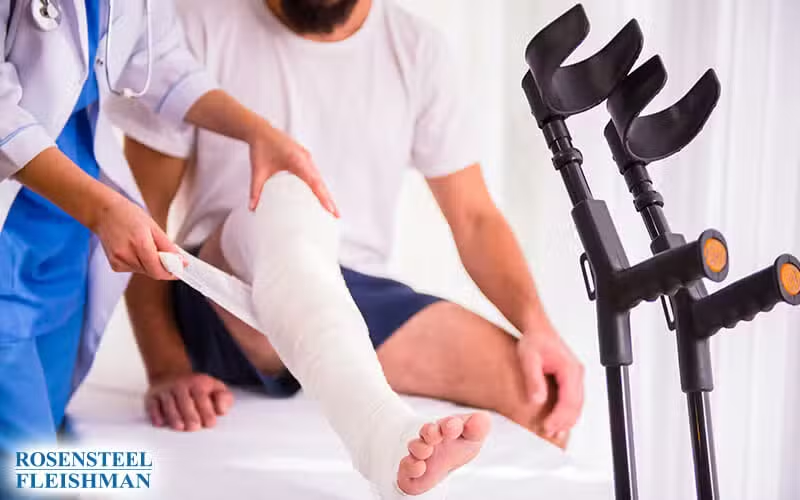

In Charlotte, a fall injury can change the rhythm of an ordinary week very quickly, especially when pain, medical visits, missed work, and insurance questions begin overlapping. Rest may sound simple, but the way rest is scheduled, documented, and adjusted over time can affect how clearly a claim reflects what the injury has actually done to a person’s life. When someone is trying to hire a lawyer for your personal injury case, the details surrounding recovery often matter just as much as the accident report itself.
Why Rest Records Can Matter Early
A person who slips at a grocery store near South Boulevard, feels sore that evening, and then tries to push through work the next day may later find that the timeline of symptoms becomes important. If rest was recommended by a doctor, but the person could not follow that plan because of work, childcare, or financial pressure, that context may help explain gaps or delays. Good documentation does not make an injury more serious than it is, but it can help show the full picture of what recovery required.
If a fall injury leaves you unsure how rest, medical care, missed work, or insurance questions may affect your claim, speaking with a slip and fall lawyer in Charlotte can help you better understand what details may matter. Rosensteel Fleishman Law Firm assists people with slip and fall accident claims by reviewing the circumstances of the fall, the available documentation, and how the injury has affected daily life. Getting clear guidance early can make it easier to protect important records, respond carefully to insurance requests, and make informed decisions about what to do next.
Article Brief
Rest scheduling after fall injury can influence how an insurance company understands recovery, limitations, missed work, and the seriousness of symptoms. Clear records, consistent medical follow up, and honest notes about daily restrictions can help connect the injury to real life effects without exaggeration.
- Rest plans should follow medical guidance when possible.
- Documentation can support compensation estimates.
- Insurance reviews often look closely at timing and consistency.
- Daily limitations may matter when evaluating damages.
- Local guidance can help organize claim details clearly.
How Rest Timing Helps Show the Progression of a Fall Injury
Rest timing matters because it helps create a clearer timeline between the fall, the symptoms, the medical response, and the person’s recovery limits. In many slip and fall accident claims, compensation estimates are shaped by more than the diagnosis alone. Insurers often look at how symptoms developed, whether treatment was consistent, and whether the person followed reasonable medical advice.
A rest schedule can show whether an injury disrupted normal life in a measurable way. For example, a doctor may recommend reduced activity for several days, limited standing, no lifting, or time away from work. Those instructions can help explain why the person missed shifts, needed help at home, or could not return to normal routines right away.
Why Gaps in Rest or Treatment Can Raise Questions
Insurance adjusters often review gaps closely. A delay in medical care or a sudden break in treatment may be interpreted as a sign that the injury was not serious, even when the reality is more complicated. Someone may delay care because they expected soreness to improve, could not get an appointment, lacked transportation, or was worried about medical bills.
This is where documentation quality becomes important. Notes from medical providers, appointment records, work restriction letters, and personal recovery notes can help explain why rest happened when it did. A clear record gives context to the timeline rather than leaving important details open to guesswork.
What Good Recovery Documentation May Include
Useful records do not need to be overly complicated. The goal is to create a steady, truthful picture of how the injury affected daily life. Medical records are important, but they are not the only records that may help.
A practical recovery file may include:
- Doctor instructions about rest or activity limits.
- Dates of missed work or reduced hours.
- Notes about pain levels and mobility changes.
- Receipts for medical visits, medication, or assistive devices.
- Photos of bruising, swelling, or visible injuries over time.
These details can help connect the injury to real financial and physical effects. They also help avoid relying only on memory, which can become less reliable as weeks or months pass.
How Insurance Companies May Evaluate Rest and Recovery Records
Insurance companies often value claims by reviewing evidence that connects the accident to the injury and the injury to specific losses. Rest scheduling after fall injury can become part of that review because it shows how long the injury affected normal activities and whether the recovery pattern matches the medical findings.
The process usually starts with liability and causation. The insurer may ask whether the property condition caused the fall, whether the injured person reported symptoms promptly, and whether the medical records support the claimed injury. Once those questions are reviewed, the insurer may look at the value of medical bills, lost income, pain, limitations, and future care needs.
How Rest Can Connect Medical Care to Damages
Rest instructions can support damages when they are tied to a provider’s assessment. If a doctor tells a patient to avoid standing for long periods, that may help explain why a retail worker could not return to a full shift. If a person is told to avoid stairs, that may explain why home routines, childcare, or transportation became harder.
The more consistent the records are, the easier it may be to understand the claim. A chart note, a work restriction form, and a short personal log can all point to the same basic reality. The injured person was not just sore, they had limits that affected their time, income, and independence.
Why Honest Detail Is Better Than Overstatement
Claim documentation works best when it is accurate and realistic. Overstating pain or describing every day as equally severe can make records seem less reliable. Recovery often changes from day to day, especially after a fall involving the back, knee, hip, shoulder, wrist, or head.
A balanced record might note that pain improved after three days of rest, but standing for a full workday caused symptoms to return. That type of detail can be useful because it reflects how many injuries actually behave. It also helps show why rest schedules may need to change as the person tries to resume normal activity.
What to Expect When Rest Records Become Part of a Claim
A fall injury claim often becomes clearer when the recovery timeline is organized early. This does not mean every note or appointment automatically increases a claim’s value. It means the evidence can help explain what happened in a way that is easier for an insurance company, lawyer, or claims reviewer to understand.
Rosensteel Fleishman Law Firm works with injured people in Charlotte who may be trying to make sense of medical records, insurance requests, and questions about missed work. A calm review of the available documentation can help identify what is clear, what may need more explanation, and what details may be important before a claim is evaluated.
How a Legal Review Can Help Clarify the Timeline
A legal review can help organize the sequence of events. This may include when the fall happened, when symptoms began, when medical care started, what rest was recommended, and how the person’s routine changed. In a slip and fall accident claim, that timeline can be important because it helps show whether the injury pattern is consistent and supported.
Attorney Matthew Fleishman has noted, “A strong claim often depends on clear records that show how an injury affected daily life, not just what the first medical bill says.” That practical view is especially important when rest, delayed symptoms, or work restrictions are part of the recovery story.
Practical Takeaways for the Next Step
The days after a fall can feel scattered, but small steps can make the claim easier to understand later. Keeping records, following medical guidance, and writing down changes in daily activity can help protect the accuracy of the recovery timeline.
- Follow medical rest instructions as closely as possible.
- Keep copies of work restriction notes.
- Track missed work and reduced activity.
- Save receipts related to treatment and recovery.
- Ask questions before giving broad statements to insurance.
When rest and recovery are documented clearly, the claim has a steadier foundation. Anyone dealing with a fall injury in Charlotte can benefit from understanding that timing, consistency, and honest detail may all shape how compensation is reviewed. For questions about a possible slip and fall accident claim, Rosensteel Fleishman Law Firm can be reached at 1-704-714-1450 for a free case consultation.
Additional Slip and Falls Articles
Second Opinion Timing After Fall When Recovery Progress Remains Unclear
How can someone protect their interests when recovery after a fall remains difficult to understand? In Charlotte, the answer often begins with maintaining clear records, following established provider instructions, and asking appropriate questions when the existing information leaves important concerns unresolved. The decision to seek another evaluation is personal and should be discussed with a […]
Organizing Appointments and Household Help After a Fall
Appointments, rides, work messages and household commitments can be difficult to coordinate after a fall. A short written plan can keep practical tasks from being missed while you follow your healthcare provider’s instructions. It is a way to organize responsibilities, not a test of recovery or a reason to take on more physical activity. Choose […]
Work Restrictions After a Fall: Comparing Notes, Duties and Pay Records
A work-status note, a proposed assignment and a payroll record answer different questions after a fall. Keep them together without treating any one of them as the full return-to-work decision. Your healthcare provider should clarify medical restrictions; the employer can describe the actual duties being proposed. Keep each version of the work-status note Record who […]