When a fatal car crash changes a family forever, the impact reaches far beyond the scene of the collision. In the middle of grief, there are practical concerns that feel overwhelming and often arrive without warning. Medical expenses, funeral costs, insurance questions, and uncertainty about what truly happened can create additional stress during an already […]
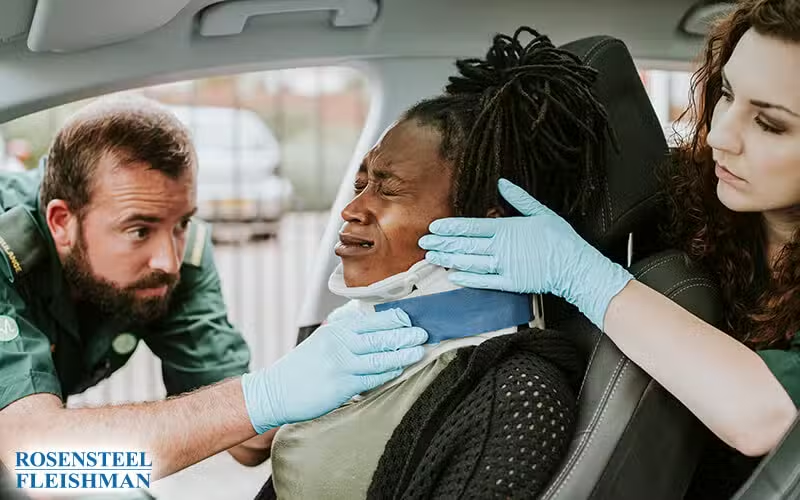

Getting into a car accident or dealing with a personal injury can turn your world upside down in the blink of an eye. One moment you’re going about your day, and the next, you’re caught up in a whirlwind of stress, paperwork, and uncertainty. It’s moments like these when having someone in your corner can make all the difference. That’s where the importance of reaching out to a trusted car accident lawyer or personal injury attorney comes into play. And if you’re in Charlotte, NC, or anywhere in North Carolina, finding the right legal support is crucial for navigating these challenging times.
Why reach out to a lawyer, you might ask? Well, think of it as having a seasoned guide through a tricky situation. These situations can be complex, filled with legal terms and procedures that might as well be another language. A top-rated personal injury lawyer or car accident attorney brings clarity to confusion, offering advice and representation tailored to your unique situation. They're there to ensure that your rights are protected and that you’re not left navigating the aftermath alone.
If you're in or around Charlotte and find yourself needing advice, Rosensteel Fleishman, a personal injury and car accident law firm, is here to help. They understand the local laws inside and out, and their team, led by Corey Rosensteel and Matthew Fleishman, is committed to providing professional, straightforward, and compassionate legal services. Whether it's dealing with insurance companies or preparing for court, they focus on getting you the best outcome possible.
So, if you’ve recently been in an accident or suffered a personal injury and are feeling overwhelmed, know that you don’t have to face it alone. A simple call to 1-704-714-1450 can set you on the path to resolution, offering a free consultation to discuss your claim and explore your options. Remember, in times of trouble, having the right support can make all the difference.
Understanding Car Accident Litigation
When someone mentions litigation, it might conjure up images of courtroom dramas and tense negotiations. But when it comes to car accidents, the reality is often far more straightforward—and that's something to be thankful for. Litigation in this context refers to the process of taking legal action to resolve disputes that arise from car accidents. It's a way to ensure that if you've been injured or suffered losses, you're compensated fairly.
However, the world of car accident claims can be complex. That's where having a knowledgeable car accident lawyer in Charlotte comes into play. These professionals step in to help make sense of the legal landscape, offering guidance and support throughout the entire process. They're your advocates, fighting to ensure your voice is heard and your rights are respected.
At its core, the litigation process is about finding a resolution that's fair and just. Whether through settlement negotiations or, in rarer instances, a trial, the goal is always to ensure that individuals impacted by car accidents receive the support and compensation they deserve. And with the right legal team by your side, navigating this process becomes far less daunting.
The Role of a Car Accident Lawyer
Imagine having a guide in a city you've never visited before. That's what a car accident lawyer is in the legal world. They know all the shortcuts, the right people to talk to, and how to navigate the sometimes-complicated legal procedures. Whether you're dealing with injuries, property damage, or both, a car accident attorney in Charlotte, NC, can make a significant difference in your case.
Firstly, they evaluate your case, laying out the options and potential outcomes. Then, they handle all the heavy lifting—from filing paperwork to negotiating with insurance companies. They're also your frontline in ensuring that you're not taken advantage of and that your claim is taken seriously.
Moreover, if your case does go to trial, having a seasoned attorney by your side is invaluable. They'll represent you every step of the way, using their expertise to present your case in the best possible light. With a focus on securing the maximum compensation, they work tirelessly to advocate on your behalf.
Reasons Why Cases Settle Before Trial
You might wonder why many car accident cases settle before ever reaching the courtroom. There are several reasons, but it boils down to a few key factors: cost, time, and certainty. Going to trial is expensive and time-consuming, not just for the parties involved but for the legal system as well. Moreover, the outcome of a trial can be unpredictable. Settlement offers a way to resolve the case with certainty and control for both sides.
Settlements also allow for flexibility in resolutions that a trial does not. The parties can negotiate terms that work best for them, something that a court’s verdict does not always allow. This can include arrangements for payments, confidentiality agreements, and other specifics that address the unique aspects of a case.
Furthermore, the emotional toll of a trial can be significant. By settling, individuals can avoid the stress and publicity that a court case might involve. It's a way to close a chapter and move forward without the lingering uncertainty and public scrutiny that can accompany a trial.
Cost and Time Savings
One of the most straightforward reasons for settling is the cost and time savings it offers. Legal battles can stretch out for months or even years, accumulating significant expenses along the way. By settling, both parties can cut these costs considerably. This isn't just about legal fees; it's also the time away from work, the emotional strain, and the ongoing uncertainty that can weigh heavily on individuals.
Risk Management
Settlements serve as a form of risk management. When a case goes to trial, there's always a gamble. No matter how strong your case may seem, there's no guarantee about the outcome. Settlements offer a way to manage this risk, allowing both parties to come to an agreement that mitigates the uncertainty of a trial verdict.
The Influence of Insurance Companies
Insurance companies play a significant role in the settlement process. Often, they prefer to settle to avoid the unpredictability and high costs of trial. An experienced car accident attorney in Charlotte, NC, understands how to negotiate effectively with these companies, ensuring that the settlement reached is in your best interest.
Navigating the aftermath of a car accident can be challenging, but with the right legal support, you don’t have to do it alone. Rosensteel Fleishman, with its team of experienced personal injury and car accident lawyers, offers professional and compassionate legal services to guide you through every step of the process. Whether it’s negotiating a fair settlement or representing you in court, their focus is on advocating for your rights and ensuring you receive the compensation you deserve.
Choosing the Right Legal Partner in Charlotte for Your Car Accident Case
In the aftermath of a car accident, the steps you take can significantly impact your recovery journey—not just physically but also financially and emotionally. This is where the importance of partnering with a trusted Charlotte car accident law firm like Rosensteel Fleishman comes into play. Their expertise in personal injury and car accident cases across North Carolina has made them a go-to source for many seeking justice and compensation.
Benefits of Partnering with a Local Law Firm
Choosing a law firm that’s deeply rooted in Charlotte and the broader North Carolina area offers numerous advantages. First, they have a profound understanding of the local legal environment, including the nuances of state laws and the tendencies of local courts and insurance companies. This insight can be pivotal in developing a strategy tailored to your specific situation.
Moreover, a Charlotte personal injury law firm like Rosensteel Fleishman offers the convenience and accessibility you need during such stressful times. Being able to meet with your attorney face-to-face provides a level of comfort and assurance that’s hard to replicate through phone calls or emails alone. It means your questions can be answered promptly, and your concerns addressed directly, allowing for a more personal and effective legal representation.
How a Dedicated Attorney Can Make a Difference
The role of a car accident attorney in Charlotte extends far beyond just filing paperwork. They are your advocate, advisor, and ally throughout the entire process. From conducting an in-depth investigation of your accident to negotiating with insurance companies and representing you in court if necessary, they’re committed to securing the best possible outcome for you.
A critical aspect of what makes Rosensteel Fleishman stand out is their approach to client relationships. They prioritize open communication, ensuring you’re informed and involved at every step. This transparency builds trust and allows for a collaborative relationship where your voice is heard, and your needs are prioritized.
Furthermore, their experience in handling a wide range of personal injury and car accident cases means they’re well-equipped to tackle the challenges that may arise during your case. Whether it’s dealing with complex legal issues or standing up to large insurance companies, they have the skills and determination to advocate effectively on your behalf.
Choosing the right legal partner in Charlotte for your car accident case is a decision that shouldn’t be taken lightly. With Rosensteel Fleishman, you’re not just getting a law firm; you’re gaining a team of professionals dedicated to supporting you through one of the most challenging times of your life. Their commitment to justice, combined with their comprehensive legal expertise, makes them an ideal choice for anyone looking to navigate the aftermath of a car accident with confidence and peace of mind.
Finding Trust and Expertise at Rosensteel Fleishman: Your Charlotte Advocates
Deciding on the right legal representation after an accident can feel like navigating through a thick fog. You want someone who not only clears the path but walks beside you every step of the way. That’s exactly what Rosensteel Fleishman, a top-rated personal injury and car accident law firm in Charlotte, NC, offers to each of its clients. With a focus on personal injury and car accident cases, they've become the firm that residents of North Carolina turn to in their time of need.
One of the keys to their success is the personal commitment of the partners, Corey Rosensteel and Matthew Fleishman, to their clients' well-being. "Our goal is to provide a personalized experience that puts our clients’ interests first and foremost," says Corey Rosensteel. "We strive to make the legal process as clear and straightforward as possible, offering our expertise without losing that personal touch that makes all the difference."
Choosing a local law firm like Rosensteel Fleishman means benefiting from a team that's deeply familiar with the laws and legal landscape of North Carolina. This local expertise, combined with their unwavering dedication to their clients, ensures that your case is handled with the utmost care and professionalism.
Take the First Step Towards Resolution with Rosensteel Fleishman
Understanding your rights and the complexities of your case is crucial, and it’s here that Rosensteel Fleishman Car Accident & Injury Lawyers shines. They are not just lawyers but compassionate individuals who see the person behind every case. By choosing to work with them, you're not just a client; you become part of a family that's dedicated to finding the best path forward for you.
If you or a loved one are in need of guidance after a car accident or personal injury in Charlotte, taking that first step towards resolution is simple. Reach out to Rosensteel Fleishman by calling 1-704-714-1450 for a free consultation. This call could be the beginning of finding not just legal support but a team that cares deeply about your recovery and your future. In a world filled with uncertainties, having a firm like Rosensteel Fleishman by your side offers clarity, hope, and a pathway to justice and healing.
Additional Car Accident Articles
What Paralysis Victims Should Know About Legal Support After a Crash
When a crash results in paralysis, families are often left trying to process medical realities while also confronting financial and legal uncertainty. The immediate focus is usually on emergency care, surgeries, and stabilizing a loved one’s condition. Soon after, questions begin to surface about long term treatment, home adjustments, income loss, and how to manage […]
How Car Accident Claims Are Built After a Crash in Charlotte
After a car accident, most people are left sorting through more than vehicle damage. Medical appointments, missed work, insurance calls, and ongoing discomfort can quickly become overwhelming. It is not always obvious what steps to take next or how to make sure your claim reflects the true impact of the crash. Questions about fault, medical […]
What to Know After a Serious Car Accident Involving Major Medical Bills
A serious car accident can disrupt life in ways that are not immediately obvious. In the first hours or days, the focus is usually on emergency care, pain management, and making sure everyone is safe. Soon after, medical bills begin arriving, insurance adjusters start calling, and questions surface about how long recovery might take. When […]



