Recovery after a serious truck crash often has to move in stages because pain, fatigue, stiffness, and concentration problems can overlap in ways that are hard to sort out at first. A person may feel ready to return to normal activity one day, then struggle the next with soreness, headaches, limited movement, or exhaustion after […]
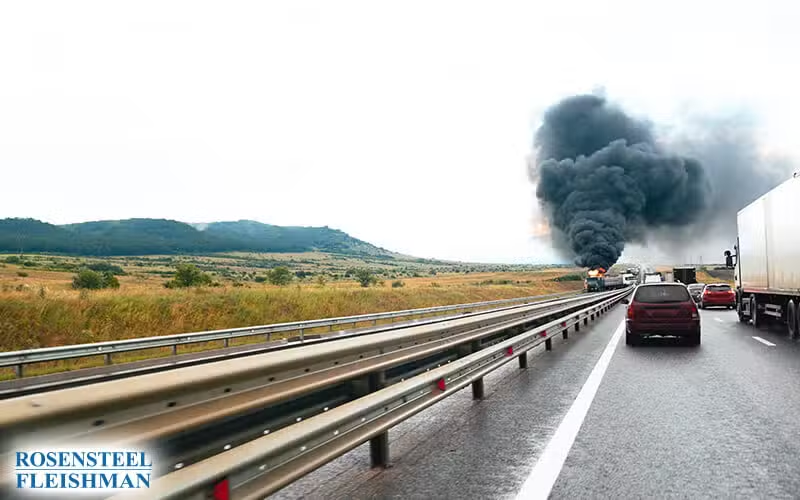

Truck accidents in Charlotte, North Carolina, are more common than most people realize. Whether it’s a busy highway, a crowded intersection, or a quiet suburban street, these large commercial vehicles can pose serious risks to other drivers. For those involved in a truck accident, the aftermath can feel overwhelming. The physical injuries, property damage, and financial losses create an immense burden, leaving victims unsure of their next steps. The impact of truck accidents in North Carolina extends beyond individual cases, affecting entire communities and local economies. Increased insurance rates, road repairs, and emergency response costs can strain public resources, highlighting the need for improved safety measures. As more people become aware of these dangers, advocacy for better regulations and driver education becomes increasingly important.
Understanding the most common causes of truck accidents can help individuals be more aware on the road while also shedding light on how these incidents happen. If you've been injured in a truck accident, seeking legal guidance is an essential step in protecting your rights. Working with an experienced Charlotte truck accident lawyer ensures you have the knowledge and support to pursue fair compensation for your injuries. Rosensteel Fleishman Car Accident & Injury Lawyers has helped countless clients navigate truck accident claims in North Carolina. Their client-focused approach ensures that accident victims receive the guidance and representation they need during a difficult time. Semi truck accident legal assistance can significantly impact the outcome of your case. By securing knowledgeable representation, you increase your chances of effectively navigating the complexities of the legal system. It’s important to act quickly, as evidence may deteriorate and witnesses may forget details over time.
If you or a loved one has been in a truck accident, speaking with a legal professional can provide clarity on your situation. A consultation with a Charlotte truck accident attorney can help you understand your options and what steps to take moving forward.
TLDR Summary:
- Truck accidents in Charlotte are often caused by driver fatigue, improper maintenance, distracted driving, and poor weather conditions, leading to serious injuries and financial losses.
- Investigating truck accidents requires analyzing black box data, driver logs, and maintenance records to determine liability and uncover negligence.
- Accident reconstruction, witness statements, and expert analysis help build a strong case, especially when insurance companies attempt to minimize claims.
- Hiring an experienced Charlotte truck accident lawyer, like Rosensteel Fleishman, ensures accident victims receive proper legal representation and fair compensation.
Truck accidents are complex cases that involve multiple factors, from driver error to company negligence. A thorough investigation can reveal crucial evidence that strengthens a victim’s claim and helps secure compensation for medical expenses, lost wages, and pain and suffering. With Rosensteel Fleishman Car Accident & Injury Lawyers, accident victims receive dedicated legal support to navigate the aftermath of a serious crash. If you've been injured in a truck accident, calling 1-704-714-1450 for a free consultation can be the first step toward securing your rights and financial recovery.
Common Causes of Truck Accidents in Charlotte
Truck accidents often occur due to a combination of factors, many of which involve human error, vehicle malfunctions, or poor road conditions. Because of the size and weight of these vehicles, even minor mistakes can result in devastating crashes.
One of the primary causes of truck accidents is driver fatigue. Many truck drivers are under pressure to meet strict delivery schedules, often pushing themselves to drive long hours without adequate rest. Despite regulations designed to limit driving time, fatigue remains a major concern, leading to slower reaction times, impaired judgment, and a higher risk of accidents.
Another common issue is improper truck maintenance. Large commercial vehicles require regular inspections and repairs to ensure they are roadworthy. However, when maintenance is neglected, problems such as brake failures, tire blowouts, and engine malfunctions can occur, creating dangerous conditions for everyone on the road.
In some cases, truck accidents result from poor weather conditions. Heavy rain, fog, and icy roads can make it difficult for trucks to stop in time or maintain control. Given the significant weight of these vehicles, sudden braking on slick roads can lead to jackknife accidents, rollovers, or multi-vehicle collisions.
Distracted and Reckless Driving
Distracted driving is a serious issue among truck drivers, just as it is for passenger vehicle operators. Activities such as using a phone, adjusting GPS systems, or eating while driving can divert attention from the road, increasing the likelihood of a crash.
Speeding and reckless driving are also leading causes of truck accidents. Some drivers, in an effort to meet delivery deadlines, may exceed speed limits or engage in aggressive driving behaviors such as tailgating and sudden lane changes. Because trucks require more time to come to a complete stop, speeding significantly raises the risk of collisions.
Legal Challenges in Truck Accident Cases
Truck accident claims differ from standard car accident cases in several key ways. The involvement of trucking companies, insurance providers, and multiple parties can make the claims process more complex. Unlike typical auto accidents, trucking cases often require detailed investigations to determine liability and assess damages.
One challenge is identifying all responsible parties. While the truck driver may have contributed to the accident, liability could also extend to the trucking company, cargo loaders, or vehicle manufacturers. These cases often require thorough reviews of driver logs, truck maintenance records, and company policies to establish negligence.
Additionally, trucking companies and their insurers frequently try to minimize payouts by disputing claims or offering low settlements. Without experienced legal representation, accident victims may struggle to recover the full compensation they deserve.
How a Charlotte Truck Accident Attorney Can Help
Working with a knowledgeable Charlotte truck accident lawyer can make a significant difference in the outcome of a case. An attorney can gather crucial evidence, negotiate with insurance companies, and build a strong case to support the victim’s claims.
Truck accident cases often involve high medical costs, lost wages, and long-term rehabilitation expenses. A skilled personal injury attorney understands how to calculate these damages and ensure that accident victims receive fair compensation.
How Truck Accident Investigations Uncover Critical Evidence
Truck accidents often involve complex investigations that go far beyond a standard car crash case. Because of the multiple parties involved—such as trucking companies, drivers, cargo loaders, and insurance providers—determining liability requires a thorough review of all available evidence. A detailed investigation can make a significant difference in proving negligence and helping accident victims recover the compensation they deserve.
One of the first steps in a truck accident investigation is analyzing the truck’s black box data. Most commercial trucks are equipped with event data recorders (EDRs), commonly referred to as black boxes. These devices store crucial information about the truck’s speed, braking patterns, and sudden movements leading up to the crash. If a truck was speeding, failed to brake in time, or experienced sudden acceleration, this data can provide concrete evidence to support an injury claim.
Another key part of an investigation is reviewing the truck driver’s records. Federal regulations limit how many hours a truck driver can operate without rest, yet violations of these rules are common. By examining driver logs, fuel receipts, and GPS tracking data, attorneys can determine whether a driver was on the road longer than legally allowed, which may indicate fatigue played a role in the crash.
Examining Maintenance and Inspection Records
A poorly maintained truck can become a serious hazard on the road. Commercial trucks must undergo regular inspections to ensure that brakes, tires, and other mechanical systems are in proper working order. However, some trucking companies cut corners by skipping maintenance or delaying necessary repairs to save money.
An investigation into a truck accident often includes reviewing maintenance logs to determine whether the vehicle had any unresolved mechanical issues before the crash. If a trucking company failed to address known safety concerns, they could be held liable for the accident. For example, if a truck’s brakes failed due to lack of maintenance, that evidence could strengthen a victim’s injury claim.
Reconstructing the Accident Scene
Accident reconstruction plays a crucial role in proving what really happened during a truck crash. Experts use physical evidence from the scene, such as skid marks, vehicle damage, and debris patterns, to recreate the sequence of events. They may also analyze surveillance footage from traffic cameras or businesses near the accident site to provide further insights.
Witness statements are another important part of accident investigations. Eyewitness accounts from other drivers, pedestrians, or nearby workers can help fill in gaps in the evidence, providing additional details about how the accident unfolded. When combined with physical evidence and expert analysis, these statements can help strengthen a legal claim and establish liability.
Why a Thorough Investigation Matters for Your Case
The details uncovered in a truck accident investigation can make or break an injury claim. Insurance companies often attempt to shift blame or downplay the severity of a crash to reduce payouts. Having strong evidence backed by data, expert testimony, and legal analysis increases the chances of securing fair compensation for medical bills, lost wages, and pain and suffering.
Hiring an experienced Charlotte truck accident lawyer ensures that all necessary steps are taken to build a strong case. At Rosensteel Fleishman Car Accident & Injury Lawyers, their legal team works diligently to gather and analyze every piece of evidence available, ensuring that accident victims receive the support they need.
If you or a loved one has been in a truck accident, don’t leave your case to chance. Contact Rosensteel Fleishman today at 1-704-714-1450 for a free consultation and let a dedicated attorney guide you through the process.
Why Hiring Rosensteel Fleishman is a Smart Choice
Choosing the right legal team can impact the outcome of a truck accident claim. Rosensteel Fleishman Car Accident & Injury Lawyers is a trusted firm in Charlotte, known for its dedication to personal injury and truck accident cases. Their attorneys, Corey Rosensteel and Matthew Fleishman, have years of experience handling complex claims and advocating for their clients.
One of the biggest advantages of hiring a local firm is their familiarity with North Carolina’s traffic laws and court procedures. Unlike national firms, Rosensteel Fleishman understands the specific challenges that Charlotte accident victims face, allowing them to provide tailored legal guidance.
Beyond legal expertise, their commitment to client care sets them apart. They take the time to listen to each client’s concerns, explaining legal options in a straightforward and accessible manner. This client-focused approach ensures that accident victims feel supported throughout the legal process.
The Importance of Acting Quickly
Time is a critical factor in truck accident cases. North Carolina has strict statutes of limitations for filing personal injury claims, meaning that victims must act promptly to protect their rights. Delaying legal action can make it more difficult to gather evidence, speak with witnesses, and build a strong case.
Rosensteel Fleishman encourages accident victims to reach out for a free consultation as soon as possible. Speaking with an attorney early on can help individuals understand their legal options and avoid mistakes that could impact their claims.
Get the Legal Support You Need After a Truck Accident
Recovering from a truck accident is a challenging process, both physically and financially. Medical bills, lost income, and pain and suffering can create immense stress, making it crucial to seek legal guidance as soon as possible. Working with a Charlotte truck accident attorney ensures that accident victims have the support and advocacy needed to secure fair compensation.
As Corey Rosensteel puts it, "Every accident case is unique, and we take the time to understand our clients’ needs to provide them with the best possible legal representation." This dedication to personalized service has made Rosensteel Fleishman a trusted name in personal injury law.
If you’ve been injured in a truck accident in Charlotte, don’t wait to get the help you deserve. Contact Rosensteel Fleishman Car Accident & Injury Lawyers today at 1-704-714-1450 for a free consultation and take the first step toward recovery.
Additional Trucking Accidents Articles
How Coordination Loss Truck Crash Injuries Can Affect Daily Life and Community Safety
Truck accidents can create injuries that affect much more than a person’s first days after a crash. When a large commercial vehicle is involved, the force of impact may leave someone dealing with balance problems, slowed reaction time, weakness, dizziness, or trouble controlling normal movement. These issues can make daily routines harder and may also […]
Dashcam Footage in Truck Claims and How It Can Clarify What Happened
Insurance companies do not always agree on every detail after a truck crash, and that can make the settlement process feel uncertain. In many cases, the path toward resolution depends on finding enough reliable information to narrow the dispute, explain what likely happened, and give each side a clearer view of the claim. Why Video […]
Balance Retraining After Truck Accident and the Importance of Ongoing Care
A truck accident can change a family’s routine in ways that are hard to understand at first, especially when balance problems appear days or weeks after the crash. Someone may walk away from the scene thinking they are mostly shaken up, only to later notice dizziness, unsteady steps, trouble bending down, or fear of falling […]