
A small repair bill does not explain every consequence of a crash. Keep vehicle evidence separate from injury records, and document changes to work and daily responsibilities without guessing about their cause.
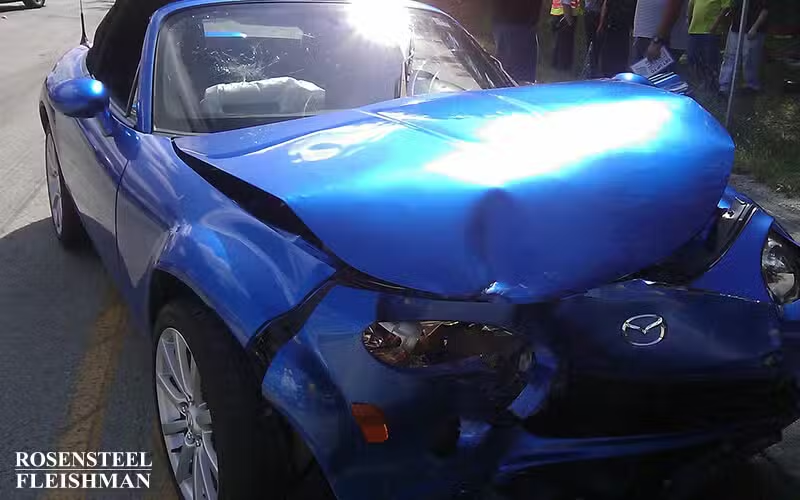

A vehicle crash may occur while driving between jobsites, making a delivery, transporting equipment, traveling for an assignment, or performing another work task. The employment connection, traffic responsibility, insurance, medical evidence, and compensation filing should be analyzed separately.
A work-related vehicle crash can create two coordinated but distinct tracks: statutory compensation benefits and a possible claim against a legally responsible third party, each with its own proof, insurance, deadlines, and settlement effects.
Document the employment connection
- Assigned task, destination, route, schedule, dispatch, customer, and trip purpose
- Vehicle owner, lessee, permission, fuel, maintenance, and who controlled the route
- Normal commute, special errand, travel between worksites, overnight travel, or personal deviation
- Time records, messages, delivery data, expense records, and supervisor instructions
Complete crash and safety duties
Address emergency care, reporting, participant identity, witnesses, photographs, vehicle custody, and short-lived video or electronic data. The NCDMV crash-report page explains current report-access methods and restrictions.
Preserve both claim files
Maintain a workers’ compensation file for notice, Form 18, treatment, restrictions, wage benefits, and Commission procedure. Maintain a separate motor-vehicle file for collision liability, auto policies, property damage, bodily injury, statements, authorizations, and releases.
Map all insurance
Identify employer workers’ compensation coverage, commercial or personal auto policies, vehicle ownership, liability, medical payments, uninsured or underinsured motorist coverage, umbrella coverage, health coverage, and disability plans. The N.C. Department of Insurance after-accident resource describes core insurance steps.
Identify possible third parties
G.S. 97-10.2 addresses rights and remedies when someone other than the employer may be liable, including control of proceedings, settlements, liens, distribution, and subrogation. Possible third parties can include another driver, vehicle owner, manufacturer, repairer, roadway contractor, or property controller.
Build one medical chronology
Use the same accurate baseline, mechanism, symptom onset, diagnoses, treatment, restrictions, and later events across both tracks. Distinguish clinical causation from crash reconstruction and avoid signing duplicative broad medical authorizations without reviewing scope.
Build wage and expense records
Track compensation checks, missed work, restrictions, paid leave, mileage, medical charges and payments, vehicle and property loss, transportation, and post-injury earnings. Prevent duplicate recovery assumptions by labeling the source and category of every payment.
Review settlement and release effects
A third-party settlement can affect the compensation lien and future benefits. A compensation settlement can affect medical and wage rights. Review all parties, claims, liens, consents, reimbursement, fees, expenses, resignation terms, and net distribution before signing.
Use a dual-track issue ledger
For each issue, record which track owns it, the evidence, insurer or administrator, disputed position, next step, deadline, and cross-effect. This helps prevent a property settlement or routine form from unintentionally resolving another claim.
The related workers’ compensation filing guide explains the Commission side of the record.
Rosensteel Fleishman Car Accident & Injury Lawyers provides information about workers’ compensation after work-related vehicle crashes in North Carolina.
Sources
Additional Personal Injury Workers Compensation Articles
Charlotte Hand Therapy Options for Coordination Problems After a Dog Bite
When hand coordination difficulties affect everyday tasks after a dog bite, clear records can help separate care arrangements, practical expenses, and unresolved claim questions.
Who Pays for Ongoing Care After a Crash With Multiple Drivers in Charlotte?
Payment for current care and responsibility for crash damages are separate questions. When several drivers are involved, coverage details, evidence, and unresolved expenses all matter.
What Can Telehealth Visits Document About Injury Symptoms in Charlotte?
Telehealth notes can record reported symptoms, timing, and disruptions to daily life. Their value in an injury claim depends on accuracy, context, and connections to other records.


