
A fall in a busy Charlotte grocery store, apartment stairwell, or rain-slick parking area can produce injuries that change during the first weeks of recovery. Medical records may initially focus on pain, swelling, mobility, and imaging results, but later updates can add information about nutrition, fatigue, bone health, wound healing, or delayed progress. When those […]
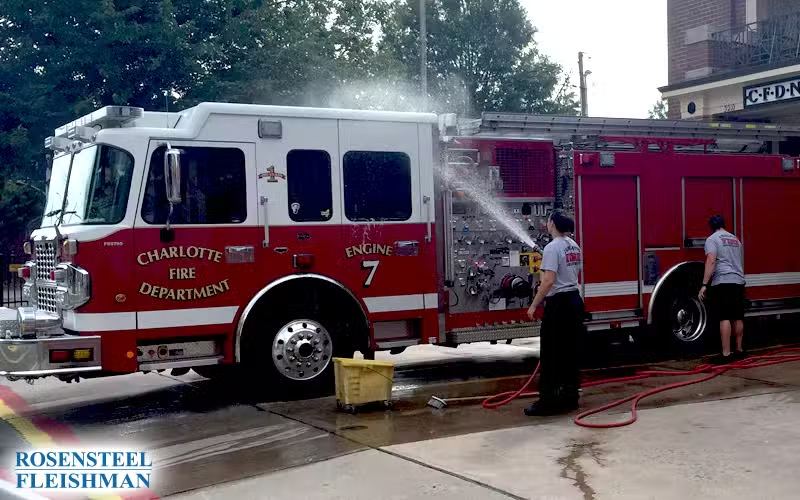

A building fire, electrical event, explosion, smoke exposure, or burn can trigger emergency response, official investigation, property remediation, insurer inspections, landlord and tenant disputes, subrogation, and bodily-injury claims at the same time. Each participant may seek access to the scene or damaged items.
A fire investigation, property claim, and bodily-injury claim preserve different interests and should be coordinated before evidence is released. Cleanup and restoration can be necessary for safety, but they can also change the evidence used to determine origin, cause, control, and injury mechanism.
Protect life and defer entry to responders
- Call 911, evacuate, do not reenter, and follow fire, utility, building, and health instructions.
- Obtain medical evaluation for burns, breathing difficulty, confusion, chest symptoms, eye exposure, carbon-monoxide concern, or other injury.
- Identify the responding fire department, fire marshal, police, utility, building department, EMS, and report numbers.
- Do not energize, operate, move, clean, or test suspected equipment until authorized and documented.
Understand the official fire-investigation record
North Carolina Chapter 58, Article 79 authorizes investigation of the cause, origin, and circumstances of fires by specified officials. Request incident, investigation, scene, photograph, diagram, sample, interview, laboratory, and referral records when available.
The North Carolina Office of State Fire Marshal describes coordination between fire investigators and the State Electrical Division when electrical causes are suspected. An official origin-and-cause conclusion should be reviewed with the underlying scene and technical evidence.
Preserve the scene and chain of custody
- Overall and close photographs, video, floor plan, burn patterns, utilities, panels, wiring, devices, appliances, fuel, ventilation, alarms, sprinklers, doors, and egress
- Damaged and undamaged exemplars, serial and model numbers, installation, instructions, maintenance, repair, recall, and purchase records
- Access, alarm, smart-home, utility, building-control, camera, phone, weather, and occupancy data
- Who collected, moved, stored, tested, altered, or disposed of each item and under what protocol
Identify ownership, possession, and control
- Owner, landlord, tenant, manager, maintenance company, electrician, contractor, installer, manufacturer, retailer, utility, and event operator
- Lease allocation, common areas, repair requests, inspection rights, permits, work orders, warnings, prior outages or incidents, and actual control
- Applicable construction, electrical, fire, housing, and property-maintenance requirements at the relevant time
- Who knew or should have known of the condition and what reasonable correction or warning remained available
G.S. 58-79-20 addresses inspection and orders concerning dangerous combustible or inflammable conditions. A prior inspection or lack of citation is evidence to evaluate, not automatic proof that a particular condition was safe or unsafe.
Build separate insurance tracks
- Property, renter, homeowners, commercial property, business interruption, liability, umbrella, product, contractor, workers’ compensation, auto, and health coverage
- Named and additional insureds, locations, policy periods, limits, deductibles, exclusions, reservations, other insurance, and subrogation
- Temporary housing, contents, repair, lost income, medical expense, bodily injury, disability, and other documented losses
- Every inspection request, proof of loss, recorded statement, payment, advance, denial, reservation, salvage request, and release
Coordinate inspections and destructive testing
Before a private participant dismantles or tests a device, provide reasonable notice to interested parties, define the protocol, photograph the starting condition, identify attendees, preserve samples and exemplars, and document results. Do not surrender the only item to a carrier or contractor without custody terms.
Prove medical and exposure causation
Connect the event to burns, inhalation injury, toxic exposure, orthopedic trauma, psychological injury, or other harm using emergency findings, laboratory and imaging evidence, treatment, exposure estimates, baseline health, function, and qualified medical analysis.
The electrical-injury guide explains how to preserve electrical equipment, system, inspection, and medical evidence after a shock or arc event.
Rosensteel Fleishman Car Accident & Injury Lawyers provides information about North Carolina premises-liability claims involving fires and unsafe property. Evidence coordination should occur before remediation makes the original condition unavailable.
Sources
Additional Law Articles Articles
How Different Accident Scenarios Affect Claims After a Multi Vehicle Crash
A claim’s value is usually built in stages, starting with what happened in the crash and continuing through the injured person’s recovery. In a multi vehicle accident, that process can take extra care because insurers are not only looking at repair bills and medical costs. They are also trying to understand whether the injury will […]
Car Accident Claim Strategy Basics When the Process Moves Slowly
Car accident claims can move slowly because the facts often develop in stages, especially when injuries, insurance reviews, and fault questions are still being evaluated. In Charlotte, a crash on a busy road like I-77, South Boulevard, or Independence Boulevard may seem straightforward at first, but new medical records, repair findings, witness details, or insurance […]
How Claims Are Influenced by Updated Evaluations During Ongoing Recovery Changes
How Changing Recovery Evaluations Can Shape Claim Outcomes Families dealing with injury recovery often notice that claim outcomes do not follow a simple or predictable path. As medical evaluations are updated, financial considerations and settlement discussions can evolve in ways that affect both short term planning and long term stability. Understanding this shifting process helps […]




