
A rental bill shows the charges; a repair timeline explains the dates. Keep approval messages and shop updates together to address the particular days or fees in dispute.
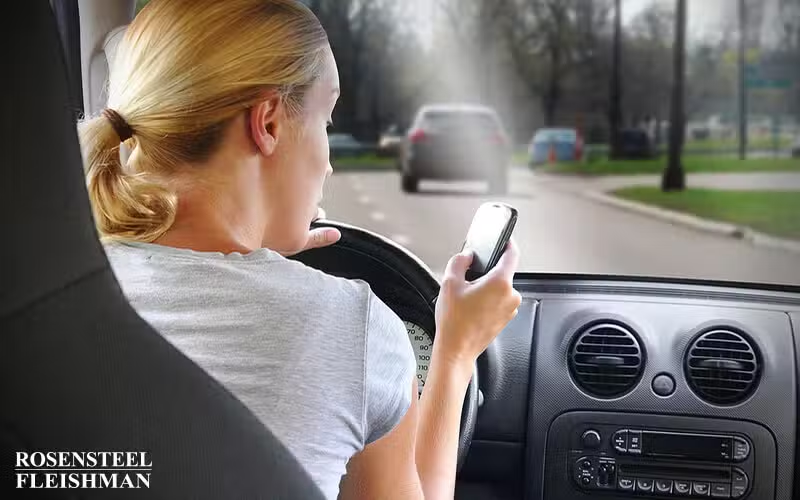

A phone-related allegation after a crash should be investigated through preserved records and a complete timeline, not inferred from an old news story, a screenshot without context, or the fact that a phone was present.
G.S. 20-137.4A addresses texting and email while operating a motor vehicle and includes statutory limits on how a violation is treated in a civil action. The statute should be read in full. It does not make a single observation or device record a complete answer to fault, causation, injury, or damages.
Preserve the electronic and physical timeline
- Original phone, carrier, app, vehicle, camera, dispatch, location, witness, and report information when lawfully available.
- Date, time zone, event time, call or message time, device user, vehicle position, traffic control, sight line, speed evidence, and source for each entry.
- Requests to preserve video or records, their recipient, date, scope, response, and any deletion or retention notice.
G.S. 20-166.1 addresses written reports of reportable crashes. A report can be a useful part of the record, but it does not replace underlying electronic evidence or later investigation.
The related guide to reading a North Carolina car-accident police report addresses the separate task of comparing report fields with source evidence.
Rosensteel Fleishman Car Accident & Injury Lawyers provides general information about discussing a North Carolina car-accident claim involving disputed electronic evidence. The complete record and current law determine what issues require review.
Sources
Additional Car Accidents Articles
How an Uncertain Medical Prognosis Affects Serious Crash Claims in Charlotte
An uncertain medical outlook can leave important parts of a crash claim unresolved. Clear records help distinguish existing losses, household disruptions, and future questions without turning estimates into facts.
Contact Details to Collect at a Charlotte Crash Before Witnesses Leave
A witness’s name is only part of a useful record. Collect a reliable contact method, clarify what the person observed, and keep their information connected to your crash documentation.
How Moving a Vehicle After a Crash Affects Scene Evidence
Moving a vehicle changes the scene, but it does not erase every useful record. Clear timing, accurate photo labels, and firsthand accounts help distinguish original positions from later ones.



