
Moving a vehicle changes the scene, but it does not erase every useful record. Clear timing, accurate photo labels, and firsthand accounts help distinguish original positions from later ones.
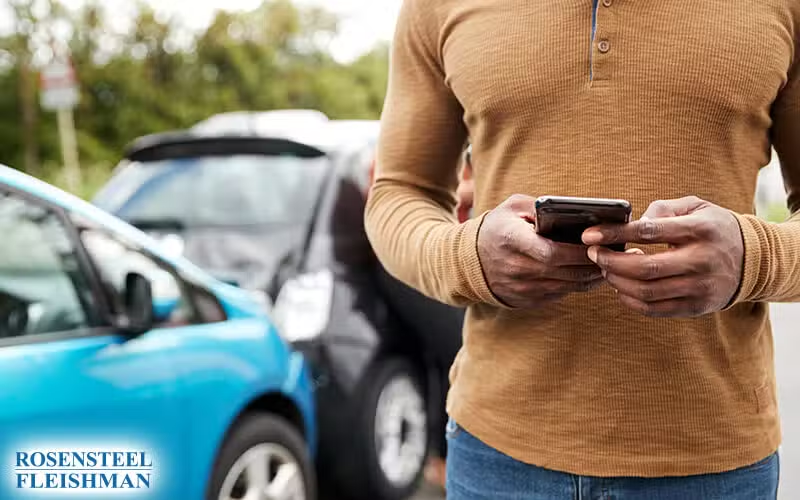

A useful witness record includes a full name, a reliable phone number, and a brief note about what the person actually observed. In a hypothetical Charlotte intersection crash, someone who saw the vehicles approach may have only a moment to share those details before leaving. If circumstances allow a safe conversation, ask for a preferred contact method first rather than trying to obtain a detailed statement.
Collecting contact information at the scene creates a way to clarify facts later; it does not establish that someone’s account is accurate. An insurer or an auto accident claims lawyer reviewing conflicting accounts needs a way to reach the person and distinguish firsthand observations from assumptions. The immediate goal is a usable contact record, not agreement about who caused the collision.
Build a Contact Record That Can Be Checked
Keep each person’s contact details together with their role in the event. Label someone as a driver, passenger, or bystander based on what they tell you, and note whether they witnessed the collision or arrived afterward. Being present at the scene is not the same as seeing the impact.
Do not step into traffic or interfere with responders to collect information. Ask whether the person is willing to share details for possible follow-up, and respect a refusal. A short, accurate record is more useful than a lengthy conversation that leaves you with an incorrect number.
Ask for Details That Make Follow Up Possible
Start with a name and one working contact method. If the person has time and is comfortable sharing more, use these five fields to keep the record organized.
- Full name, with the spelling confirmed rather than guessed.
- Phone number, including the area code, and whether calls or texts are preferred.
- Email address as an optional alternate contact method.
- A convenient time for follow-up and permission to contact them about the crash.
- Their role, where they were positioned, and a short description of what they personally saw.
Read the number or email address back to catch transcription errors. With permission, send a brief identifying text while you are still together and ask whether it arrived. Receipt helps confirm that the contact method works, but it does not verify the person’s identity or account.
There is no need to request a bystander’s Social Security number, birth date, or photograph of their identification for this contact record. Keep witness details separate from the license, vehicle, and insurance information exchanged with involved drivers. Labeling those records clearly reduces confusion about who supplied each detail.
Separate Observations From Conclusions
Use neutral prompts such as asking what the person saw and where they were standing or sitting. Record whether they saw the vehicles before impact, only the collision itself, or only the aftermath. Avoid suggesting an answer or asking the person to endorse your version of events.
If accounts differ during a claim discussion, an auto accident settlement lawyer can use a clearly labeled contact record to identify whose observations need clarification. Preserve the witness’s wording when practical, and label your own paraphrase as a summary rather than presenting it as an exact quotation.
For example, in a hypothetical claim, a witness might describe where a car came to rest without having seen which vehicle entered the intersection first. That distinction matters when an insurer compares the account with photographs, driver statements, or other available records. A reachable witness allows questions about that distinction without relying on your interpretation alone.
Keep Gaps Visible in the Claim File
An insurer assessing reported facts may ask who provided the information, what they could see, and whether their account fits other documentation. Contact details make those questions possible; they do not require the insurer to accept an account. Differences between records may still need explanation.
A missing digit or an unlabeled first name can leave follow-up unresolved and require additional effort before an account can be clarified. If information is incomplete, mark exactly what is missing instead of filling the gap from memory. Keep the original note and add any later correction with the date and an explanation of how you obtained it.
If a witness leaves before you can speak, record only what you actually know about that person and their possible observations. Do not pursue them or describe them as a confirmed witness without a basis. Save contact notes and related messages together, and avoid posting another person’s details publicly.
Prepare the Record for Later Questions
After leaving the scene, organize one entry per person and check that each name is connected to the correct number, role, and observation note. Preserve the original messages and identify unanswered questions, such as whether the person saw the impact. This gives a later conversation a specific purpose without asking anyone to reconstruct details they never observed.
Preserve the original notes and identify which witness information is still missing.
Your contact list does not need to resolve every disagreement. It should make clear who can be reached, what they may be able to explain, and which details remain uncertain.
Additional Car Accidents Articles
Driver and Contractor Liability Questions After a Crash in a Construction Zone
A work zone collision raises separate questions about driver actions, temporary traffic controls, and who was responsible for conditions at the scene. Clear records help connect those questions to the crash rather than assumptions.
Crash Claims Involving Left Turns and Obstructed Views
A blocked view raises specific questions about what each driver could see and when the turn began. Compare photographs, recordings, and witness accounts with those questions.
Documenting Balance Problems in a Car Accident Injury Claim
A useful claim record separates what happened in the crash, what you noticed afterward, and which daily activities or expenses changed. Clear documentation also preserves uncertainty without turning symptoms into medical conclusions.



