
A blocked view raises specific questions about what each driver could see and when the turn began. Compare photographs, recordings, and witness accounts with those questions.
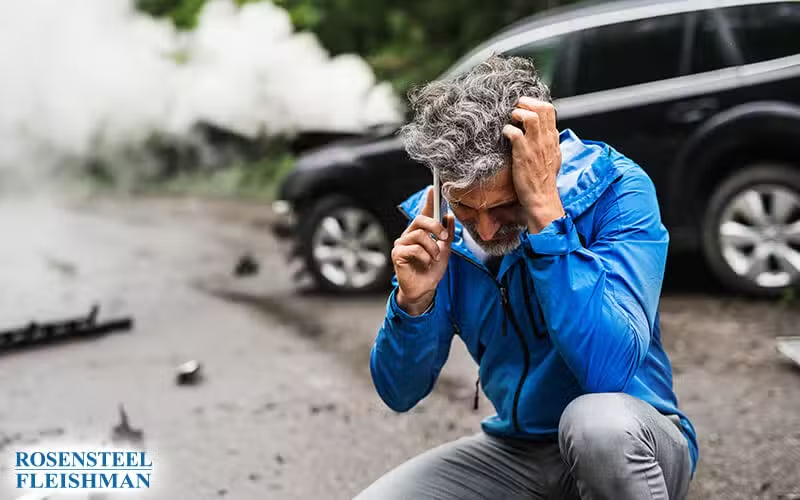

A construction zone collision can raise questions about both driver conduct and the arrangement of the work area. After a crash in Charlotte, the central question is whether a driver’s actions, a condition under a contractor’s control, or a combination contributed to what happened. The presence of construction alone does not answer that question, and neither does a single photograph of vehicle damage.
Separate the Conditions From the Conclusions
Consider a collision near a temporary lane shift. One driver says another merged abruptly; the other says the markings were confusing. The key questions are what each driver could see, how the vehicles moved, and whether the temporary traffic controls matched the arrangement in place at that moment.
If you discuss these competing accounts with an auto accident settlement lawyer at Rosensteel Fleishman, distinguish what you personally observed from what someone later told you. That distinction gives the discussion a concrete starting point: the sequence of events, the disputed conditions, and the records needed to evaluate each explanation.
Overview
- Consider driver actions and work zone conditions separately before connecting them.
- Identify who was responsible for the specific condition in dispute.
- Preserve records that show the scene at the time of the collision.
- Keep fault questions separate from documentation of expenses and disruption.
Connect Each Fault Question to Specific Evidence
A useful fault review connects an action or condition to the collision rather than simply listing everything that seemed wrong. For driver conduct, examine the available information about speed, following distance, lane position, attention, and response to signs. For the work area, examine the placement and visibility of temporary markings, barriers, signs, and lane transitions.
These are questions for investigation, not automatic findings of responsibility. A claim that a driver was moving too fast needs supporting information, just as a claim that signs were inadequate needs more than a general impression. Final fault decisions may depend on how several pieces of evidence fit together, including evidence that challenges the initial account.
Identify the Relevant Contractor Role
Before attributing a condition to a contractor, identify the entity and the task at issue. Ask who was assigned to place the temporary signs, maintain the lane arrangement, or inspect the traffic controls. A company name on equipment is a useful detail to record, but it does not by itself establish responsibility for every part of the site.
Relevant records to ask about include work assignments, traffic control plans, inspection entries, and dated photographs, if available. Compare what those records describe with the conditions documented at the collision time. A planned sign location and a photograph of the actual sign placement address different parts of the question; neither should be treated as a substitute for the other.
Preserve the Scene Without Reconstructing It
Keep original photographs, video files, witness contact information, and your own dated account together. Note the direction of travel, the location of the lane change, and which details you remember clearly. Preserve any available views of the approach to the work area, not just close views of the damaged vehicles, without entering an active work area to obtain them.
Timing matters when comparing records. If a photograph was taken later, label it with its actual date rather than presenting it as a view from the crash. Likewise, distinguish a witness’s observation of the collision from a description of the area on another day. These limits help prevent a useful record from being given more weight than it supports.
Explain How the Factors Interacted
In the hypothetical lane shift collision, a late merge and an unclear marking could both warrant examination. The next question is how each affected the vehicle movements: where the merge began, what warning was visible beforehand, and whether the accounts agree on the sequence. Identifying two possible contributing factors does not establish equal responsibility or a particular division of fault.
The applicable legal rules remain a separate part of the analysis. Avoid treating an insurer’s proposed allocation, a driver’s admission, or your own estimate as a complete legal conclusion. Ask what evidence supports the position, what remains disputed, and whether the explanation addresses both driver conduct and the alleged work zone condition.
Keep the Claim Record Organized
Maintain a separate record of repair estimates, transportation expenses, missed work documentation, and claim correspondence. Those materials help explain practical consequences, but they do not establish who caused the collision. Keeping them distinct from scene evidence makes it easier to respond accurately when a claim representative requests information.
When a settlement proposal leaves the contractor issue unresolved, a focused question for a car accident settlement lawyer is whether the proposal accounts for the disputed traffic controls and the entity responsible for them. That keeps the discussion centered on an identifiable gap rather than an unsupported assumption about what the claim should be worth.
Make Unresolved Questions Specific
When accounts conflict, create a short written record of what is agreed, what is disputed, and which document might clarify the difference. For example, an unresolved sign placement question calls for different evidence than a disagreement about when a vehicle entered the lane. You do not need to fill every gap with a conclusion.
Prepare a Focused Claim Update
A useful update identifies the new record, its date, and the particular question it addresses. Ask the claim representative to clarify whether the new material changes the stated position on driver conduct or contractor responsibility, and retain the response with your correspondence.
For any claim discussion, a clear timeline and a specific unresolved question provide a more useful starting point than a general assertion that the construction area was unsafe.
You can keep documenting the claim while responsibility remains disputed. The practical goal is to connect each concern to evidence and each alleged condition to the party responsible for it, while leaving room to revise conclusions when reliable information arrives.
Additional Car Accidents Articles
Documenting Balance Problems in a Car Accident Injury Claim
A useful claim record separates what happened in the crash, what you noticed afterward, and which daily activities or expenses changed. Clear documentation also preserves uncertainty without turning symptoms into medical conclusions.
How Employer Records Help Document Lost Income After a Crash
Employer records can connect missed work to specific dates, hours, and pay rates. A clear wage calculation also explains paid leave, variable earnings, and differences between records.
What Insurers Need From Photos Uploaded With a Car Accident Claim
Clear images are only part of a useful photo submission. Connect each file to the claim, explain its context, preserve originals, and track what still needs review.


