
Work disruptions after a bicycle injury can involve more than missed paychecks. Separating employment support expenses, lost income, and future earning concerns helps make the financial picture clearer.
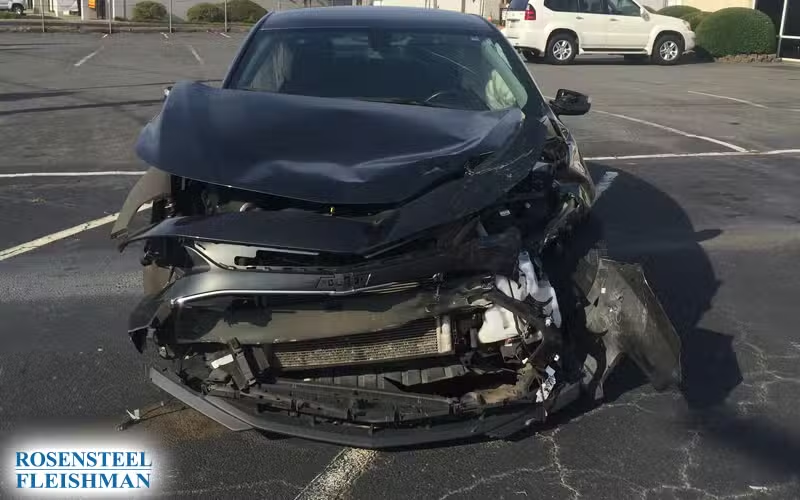

Photographs and video can help document a roadway, vehicle condition, visibility, movement, injuries, and later changes. They can also mislead when a crop, angle, missing time, compression, or unexplained source removes necessary context.
A useful image is not simply dramatic; it has an identifiable source, time, location, context, original file, and relationship to a disputed fact.
Put safety before documentation
Do not enter moving traffic, unstable wreckage, fire, leaking material, unsafe shoulders, or other hazards to take a photograph. Follow responder instructions and obtain medical help before gathering evidence.
Capture the whole scene systematically
- Approach views from each travel direction when safe
- Road geometry, lanes, traffic controls, signs, markings, grade, curves, shoulders, and obstructions
- Weather, lighting, visibility, construction, surface condition, debris, fluids, and tire or scrape marks
- Final vehicle positions and wide-to-medium-to-close damage sequences
- Reference objects or measurements that give scale without altering the scene
Document every involved vehicle
- All sides, corners, wheels, windows, lamps, mirrors, interior, restraints, and airbags
- Plate, vehicle identification information, company markings, cargo, and attached equipment when lawfully visible
- Damage, transfer, intrusion, broken components, detached parts, and fluid
- Pre-repair condition, tow and storage condition, later disassembly, repair, and salvage changes
Preserve original files and metadata
Keep the original file with its filename, resolution, creation information, and metadata. Make a separate working copy for annotation or redaction. Record who captured it, with which device, where, when, and whether the device clock was accurate.
Do not delete an unfavorable image, change brightness to suggest a different condition, combine frames without labeling them, or rely only on a screenshot of a video. Preserve full clips before and after the event when available.
Locate independent video early
- Traffic, transit, school, government, and roadway systems
- Business, parking, apartment, residential, and doorbell cameras
- Dash cameras, fleet systems, rideshare or delivery systems, and onboard vehicle cameras
- Witness phones and social posts containing original event material
Record the camera position, direction, owner, system, event window, retention period, export method, native format, player requirements, and any known clock offset. Request preservation before automatic overwrite.
Relate images to a defined question
- Traffic movement, signal state, path, visibility, or response time
- Vehicle contact, damage sequence, occupant space, or component condition
- Road, weather, lighting, work-zone, or obstruction condition
- Identity, presence, route, company markings, cargo, or witness position
- Condition and function over time without overstating what an image can diagnose
Compare images with other evidence
Synchronize visual evidence with reports, witness accounts, measurements, event data, phone or dispatch timestamps, tow records, repair files, and medical chronology. The NCDMV crash-report page explains access methods; the report can supply identifiers and a documented account but does not replace the original visual record.
The related distraction and electronic-evidence guide explains how device or system activity should be aligned with the collision window before drawing conclusions.
Use medical images carefully
Scene or recovery photographs may show observable condition or function, but diagnosis and medical causation require appropriate clinical evidence. Preserve radiology images and reports in their issued form and identify the provider, study date, body area, and comparison records.
Protect privacy and authenticity
Avoid unnecessarily publishing faces, plates, medical information, home addresses, minors, or private communications. Maintain a custody log for received and copied files. If an image is redacted, cropped, stabilized, enlarged, or annotated, retain the original and label the derivative.
G.S. 20-166.1 addresses law-enforcement notice and investigation of reportable accidents. Coordinate personal collection with scene safety and official investigation rather than interfering with either.
Rosensteel Fleishman Car Accident & Injury Lawyers provides information about photo and video evidence after Charlotte car accidents.
Sources
Additional Car Accidents Personal Injury Articles
Reassessing Road Risks Before Returning to Motorcycle Riding After a Crash in Charlotte
Reconsidering motorcycle travel after a crash means separating road concerns from assumptions about fault. Clear records can help connect everyday transportation decisions with unresolved claim questions.
Charlotte Distracted Driving Crashes and Their Effects on Work and Family
When a crash disrupts more work and family responsibilities than expected, dated records can help explain what changed. Keep observations about distraction separate from records of daily consequences.
How Experts Review Evidence Linking Medical Errors to Permanent Injuries
A lasting limitation does not, by itself, establish medical negligence. Evidence review separates questions about the care provided, the cause of the harm, and the support for describing an injury as permanent.



