
Dog bites can seem straightforward at first, but the way an injury looks in the first few minutes does not always show the full picture. Some wounds appear small while still carrying a risk of infection, nerve irritation, deeper tissue damage, or scarring. Paying attention early helps people make safer decisions, especially when a bite […]
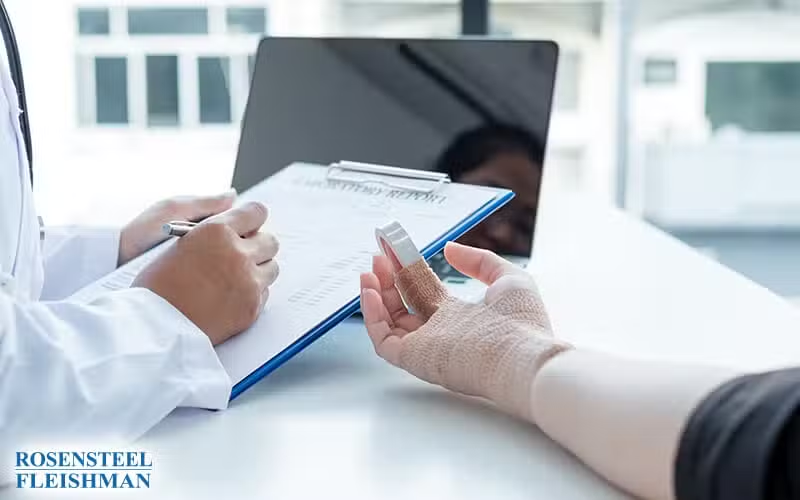

In Charlotte, a dog bite can become more complicated when recovery does not move as quickly as expected. Medical visits, delayed wound improvement, missed work, insurance calls, text messages, emails, and photos can all become part of the bigger picture. When someone is trying to understand what happened and what support they may need, digital communication records can help connect the timeline in a practical way.
Nutrition is one small part of recovery, and many people ask about zinc because it plays a role in normal wound healing. Zinc support for healing dog bite injuries should always be discussed with a medical provider, especially when there is swelling, drainage, infection concern, or delayed improvement. The legal side is different, but it often depends on the same basic idea: clear records help show what changed, when it changed, and how the injury affected daily life.
For readers who want more guidance after a bite injury, a local Charlotte dog bite lawyer can help explain how medical records, recovery delays, insurance communication, and financial losses may fit into a claim. Speaking with Rosensteel Fleishman can give injured people a clearer sense of what information to preserve and how to move forward without letting important details get lost.
Attorney Matthew Fleishman has said, “The details people save early can matter later, especially when recovery takes longer than expected.” That does not mean every message or photo will become important, but it does mean that organized documentation can help reduce confusion. A person recovering from a dog bite may need to track medical instructions, nutrition recommendations, pharmacy receipts, appointment updates, and insurance responses while also focusing on getting better.
Article Brief
Dog bite recovery can involve medical care, nutrition questions, delayed healing, and communication with insurance companies or other parties. Digital records can help create a clear timeline of symptoms, treatment, costs, and missed work, which may be useful if a claim becomes necessary.
- Zinc may support normal wound healing, but it should be guided by medical advice.
- Photos, texts, emails, bills, and appointment notes can help explain recovery delays.
- Digital records may show how the injury affected work, finances, and daily routines.
- Clear documentation can make conversations with an injury lawyer more productive.
- Local legal guidance may help Charlotte residents understand next steps after a dog bite.
How Digital Records Can Clarify a Dog Bite Recovery Timeline
A recovery timeline is easier to understand when the records show what happened in order. After a dog bite, the first few days may include urgent care, wound cleaning, antibiotics, tetanus updates, pain, swelling, and instructions to monitor for infection. If healing slows down, those early details can help explain whether the delay started right away or developed after the initial treatment.
Digital communication records can include text messages with the dog owner, emails from an insurance adjuster, appointment reminders, photos of the wound, pharmacy notifications, and messages to an employer about missed shifts. These records do not replace medical evidence, but they can support it by showing how the injury affected real life. For example, a photo taken every few days may show that redness or swelling continued longer than expected, while a message to a supervisor may show when the injured person first had to reduce work hours.
In a Charlotte scenario, imagine someone bitten while walking near a neighborhood close to I-485. The wound is treated at urgent care, but over the next two weeks the person has trouble standing for a full shift and has to return for follow-up care. During that time, they text their manager about schedule changes, save pharmacy receipts, take photos of the wound, and receive emails from an insurer asking for a statement. Those small records may later help explain not only the bite itself, but also the delay in recovery and the financial pressure that followed.
Why Zinc Questions Should Stay Connected to Medical Guidance
Zinc is often discussed because the body uses it for immune function and normal tissue repair. When someone searches for zinc support for healing dog bite wounds, they may be looking for ways to support recovery while waiting for the injury to improve. That interest is understandable, especially when a wound is painful, slow to close, or affecting work and sleep.
Still, dog bites carry infection risks, and supplements should not be treated as a substitute for medical care. A doctor may consider the person’s overall health, medications, diet, wound condition, and signs of infection before giving advice. Too much zinc can also create problems, so it is better to ask a medical provider before adding supplements, particularly if antibiotics or other treatments are involved.
From a documentation standpoint, it can help to save written medical instructions and any notes about nutrition, supplements, wound care, or follow-up appointments. If a provider recommends a certain approach, keeping that instruction in writing may reduce confusion later. If the provider says not to take something, that is also worth noting because it shows the injured person was trying to follow appropriate guidance.
How Recovery Delays Can Affect Costs and Claims
A dog bite injury can create costs that are easy to overlook at first. The initial visit may be only the beginning if there are follow-up appointments, wound care supplies, prescriptions, infection checks, scar concerns, or referrals. If the injured person misses work or cannot perform normal job duties, the financial impact may grow even when the medical bills seem manageable at first.
Digital records can help show these costs clearly. Pay stubs, time-off requests, supervisor messages, ride receipts, pharmacy alerts, and medical billing emails may all help explain the practical impact of the injury. This can matter because delayed healing often creates a gap between what the injury looked like on day one and how disruptive it became over time.
Insurance communication is another area where organization matters. Adjusters may ask for details, statements, photos, or medical updates. Before responding too quickly, it can be helpful to understand what information is being requested and how it may be used. Keeping copies of each message can help preserve a clear record of what was said and when.
Keeping Recovery Organized While Protecting Your Stability
When a dog bite recovery takes longer than expected, the goal is not to collect paperwork for its own sake. The goal is to protect clarity. Medical care, wound healing, work limits, and insurance communication can move quickly, and it is easy to forget dates or details when pain, stress, and bills are happening at the same time.
A simple folder on a phone or computer can make the process more manageable. Photos can be saved by date, receipts can be kept together, and important emails can be moved into one folder. This kind of organization may also make it easier to speak with a dog bite injury lawyer if questions come up about responsibility, insurance coverage, or compensation for losses.
What to Save During a Delayed Healing Period
The most useful records are usually the ones that show timing, treatment, and impact. A person does not need to create a complicated system, but consistency helps. Saving records close to when events happen can make them more reliable than trying to rebuild the timeline weeks later.
Helpful records may include medical discharge papers, follow-up instructions, wound photos, pharmacy receipts, missed work messages, and insurance emails. If a provider discusses zinc, nutrition, wound care, or infection concerns, those notes may also be worth keeping. The point is to preserve the story of recovery in a way that is clear, dated, and easy to review.
When Local Legal Guidance May Be Helpful
Legal guidance may be useful when the dog owner’s insurance company starts asking detailed questions, when medical bills grow, when scarring is possible, or when missed work becomes a serious concern. It may also help when the injured person is unsure whether a delayed recovery changes the value or direction of a claim. These questions can be hard to sort through alone because medical, financial, and insurance issues often overlap.
Rosensteel Fleishman Car Accident & Injury Lawyers works with injured people in Charlotte and can help explain how dog bite injury claims are evaluated under North Carolina law. A conversation with Rosensteel Fleishman can also help someone understand what records may matter, how to avoid common communication mistakes, and what steps may support a more stable recovery path. For questions about a dog bite injury, the firm can be reached at 1-704-714-1450.
A delayed recovery can feel frustrating, but clear records can bring order to a difficult situation. Medical guidance should remain the foundation, especially for wound care and supplement questions, while digital documentation can help show the full impact of the injury. The steadier the record, the easier it becomes to make informed decisions about health, finances, and next steps.
Additional Dog Bites Articles
Claim Updates Dog Bite Recovery Concerns After Slow Insurance Responses
Slow insurance responses can make a dog bite recovery feel uncertain, especially when medical care, missed work, and daily responsibilities are already difficult to manage. In Charlotte, a person may be trying to heal from puncture wounds, infection concerns, nerve pain, scarring, or emotional stress while also waiting for answers about coverage, fault, and next […]
Initial Care After Dog Bite Wound Delays and What Families Should Know
In Charlotte, a dog bite can quickly become more complicated when medical care is delayed, the incident is not reported right away, or the wound seems minor at first. Families often focus on cleaning the injury, calming a child, or deciding whether the situation is serious enough for urgent care. Those first choices matter because […]
Daily Task Difficulty Dog Bite Injuries and When to Reassess Recovery
A dog bite claim often moves more smoothly when the injury record shows how the wound affected everyday life from the beginning. When that record is incomplete, even a valid injury can become harder to explain because the claim may not clearly connect the bite to missed work, medical visits, pain, scarring, mobility limits, or […]