A serious crash can leave a family trying to make decisions before all the facts are clear. Vehicle damage, medical concerns, missed work, school pickup plans, and insurance calls can all arrive at the same time, which makes it easy for important details to get overlooked. A practical high impact crash overview can help explain […]
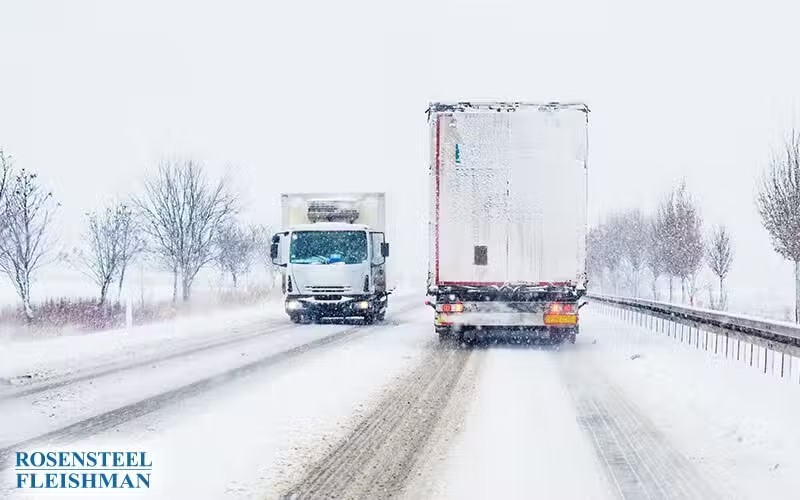

The recent winter storm that swept across North Carolina left a lasting impact on drivers across the state. As ice, sleet, and freezing rain coated highways and secondary roads, officials reported hundreds of crashes in a matter of hours. North Carolina State Highway Patrol responded to well over 400 collisions in a single day, with that number climbing past 600 as conditions worsened. Interstates, main roads, and neighborhood streets were all affected, creating dangerous driving conditions from the mountains to central North Carolina and beyond.
Many of these crashes happened even as officials urged drivers to stay home, highlighting how unpredictable and hazardous the storm became. Tractor trailers overturned, lanes were shut down for hours, and abandoned vehicles had to be cleared from major highways. While authorities reported no storm related fatalities during the initial response, countless drivers were left dealing with injuries, damaged vehicles, and growing uncertainty about what to do next. For those hurt in these winter weather crashes, understanding when to discuss their case with a Charlotte car accident lawyer can be an important step toward protecting their rights and financial recovery after the storm.
TLDR Summary:
- Severe winter storms across North Carolina led to hundreds of crashes, showing how quickly icy roads can put even careful drivers at risk.
- Storm related accidents often create added challenges with insurance companies, especially when blame is shifted to weather instead of unsafe driving behavior.
- Having a car accident lawyer helps injury victims protect their rights, gather time sensitive evidence, and handle insurance pressure while focusing on recovery.
- Local legal support in Charlotte and across North Carolina can make a meaningful difference after a crash involving snow, ice, or freezing rain.
Winter storm crashes are often more complicated than they first appear, especially when injuries, vehicle damage, and insurance disputes follow. While bad weather plays a role, many accidents still involve driver decisions that matter legally. Injury victims are frequently left dealing with medical bills, missed work, and stressful insurance conversations at a time when they should be healing. Working with an experienced car accident lawyer helps bring clarity, protects important evidence, and ensures injured drivers are treated fairly as they move forward after a difficult and unexpected event.
Why Injury Victims Often Need Legal Support After a Winter Weather Crash
After a serious crash, the focus is usually on getting medical care and making sure everyone is safe. Once the immediate shock fades, many injury victims are left facing medical bills, time away from work, and uncertainty about who will pay for the damage. Insurance companies may move quickly, but their goal is often to limit payouts rather than fully address what the injured person is going through.
Insurance Challenges After Weather Related Accidents
Winter storm crashes often involve multiple vehicles, poor road maintenance questions, or commercial trucks that lost control on ice. Insurance adjusters may argue that weather alone caused the crash, even when another driver was speeding, following too closely, or operating an unsafe vehicle for the conditions. Without a lawyer, injured drivers can find it difficult to push back against these arguments.
A North Carolina personal injury lawyer helps level the playing field. They gather crash reports, review road and weather conditions, and speak with witnesses to build a clear picture of what happened. This support can make a meaningful difference when an insurance company questions liability or downplays injuries.
Protecting Your Rights While You Heal
Recovering from a crash is physically and emotionally exhausting. Trying to handle paperwork, phone calls, and negotiations on your own can add stress at the worst possible time. A lawyer takes on those responsibilities so injury victims can focus on medical treatment and getting back to daily life.
Working with a trusted legal professional also helps ensure deadlines are met and important evidence is preserved. In North Carolina, timing matters, and waiting too long can affect your ability to recover compensation.
How Winter Storm Crashes Create Unique Legal Challenges for Drivers in North Carolina
Winter storms create driving conditions that are very different from typical car accidents, and that difference matters when someone is injured. Ice, freezing rain, and snow can turn a routine drive into a dangerous situation in seconds. Even cautious drivers may lose control through no fault of their own, while others fail to slow down or adjust their driving for the conditions. When a crash happens in this environment, the legal and insurance questions often become more complicated.
One common issue after a storm related crash is blame. Insurance companies frequently argue that weather was the sole cause, which can be used to reduce or deny a claim. In reality, many winter crashes still involve driver negligence, such as speeding on icy roads, following too closely, driving with worn tires, or operating large trucks without proper care for road conditions. A car accident lawyer can help uncover these details and make sure responsibility is not unfairly shifted onto the injured person.
Why Evidence Matters More After Storm Related Accidents
Evidence can disappear quickly after a winter storm. Snow melts, ice clears, and damaged vehicles are repaired or removed. Road conditions that played a role in the crash may look very different just days later. This makes early legal guidance especially important. A lawyer can help secure crash reports, photographs, witness statements, and weather data before they are lost or overlooked.
Medical documentation is also critical. Some injuries from winter crashes, such as soft tissue damage or head injuries, may not seem severe at first but worsen over time. Proper records help connect those injuries to the crash and support a fair claim.
Getting Support So You Can Focus on Recovery
After a winter storm crash, life can feel overwhelming. Medical appointments, missed work, car repairs, and constant calls from insurance adjusters quickly add stress. Working with a car accident lawyer allows injured drivers to step back from those pressures. With the right legal support, victims can focus on healing while their claim is handled carefully and professionally, giving them a clearer path forward during a difficult time.
How Rosensteel Fleishman Supports Accident Victims in Charlotte and Across North Carolina
Rosensteel Fleishman Car Accident and Injury Lawyers work with people who are dealing with the aftermath of serious crashes, including those caused by dangerous winter weather. Based in Charlotte and serving clients statewide, the firm focuses on clear communication and practical guidance during a stressful period.
A Local Law Firm That Understands North Carolina Roads and Laws
Winter storms impact different parts of North Carolina in different ways, from mountain passes to urban interstates. Having a local law firm means working with attorneys who understand regional driving conditions, state traffic laws, and how local courts handle injury claims. Corey Rosensteel and Matthew Fleishman bring years of experience helping clients sort through complex accident situations involving everything from passenger vehicles to tractor trailers.
Clients often appreciate that the firm offers free consultations. This allows injury victims to ask questions, understand their options, and decide on next steps without added financial pressure. From the first conversation, the goal is to provide clarity and reassurance.
Personal Attention During a Difficult Time
No two crashes are the same, and Rosensteel Fleishman treats each case with individual care. The firm handles communication with insurance companies, reviews medical records, and works to pursue fair compensation for injuries, lost income, and other damages. Clients are kept informed throughout the process so they never feel left in the dark.
Moving Forward After a Winter Storm Crash
Being involved in a crash during severe weather can leave lasting physical and emotional effects. Even if roads eventually clear, the impact on your life may continue for months. Having the right legal support can make recovery feel more manageable and less overwhelming.
Weather-Related Crashes Can Create Unique Challenges
Severe winter storms often create dangerous driving conditions that increase the risk of crashes across North Carolina. Reduced visibility, icy roads, and sudden stops can lead to chain reaction collisions and disputes over fault. In these situations, determining responsibility may involve factors such as road conditions, driver behavior, and whether precautions were taken before the crash. These elements can affect how insurance claims are reviewed and how recovery moves forward.
Taking time to review your accident options can help explain how weather related crashes are commonly evaluated and what considerations may apply. Understanding these issues can provide clarity when conditions outside a driver’s control play a role in a serious collision.
Additional Car Accidents Articles
How Liability Is Determined in a Car Accident When Reports Are Delayed
Fault decisions often become harder when crash reports, medical records, repair estimates, or insurance updates are delayed. In a Charlotte car accident, even a few missing details can leave drivers unsure about what the insurance company is reviewing, why the claim is taking longer, and what happens when each side tells a different story. A […]
How Dashcam Footage Affects an Auto Accident Claim During Evidence Review
Dashcam footage can make an auto accident claim easier to understand, but it rarely decides everything on its own. In Charlotte, where traffic on busy roads can shift quickly during commutes, video may help clarify vehicle movement, traffic signals, lane position, speed, and driver reactions before impact. Still, final fault decisions often depend on several […]
How Road Conditions Impact Car Accident Claims After Weather Related Delays
In Charlotte, a rainy school pickup, a slick stretch of I-77, or standing water near an intersection can turn an ordinary drive into a confusing insurance situation. When bad weather slows traffic, delays medical visits, or makes it harder to document the crash scene, families may be left trying to understand what actually matters for […]