
Highway crashes do not always happen during predictable rush hour congestion or in the middle of heavy commuter traffic. In North Carolina, a collision may occur late at night, during an off-peak afternoon, or on a relatively open stretch of interstate where traffic conditions initially appear straightforward. Claims arising from these crashes can still become […]
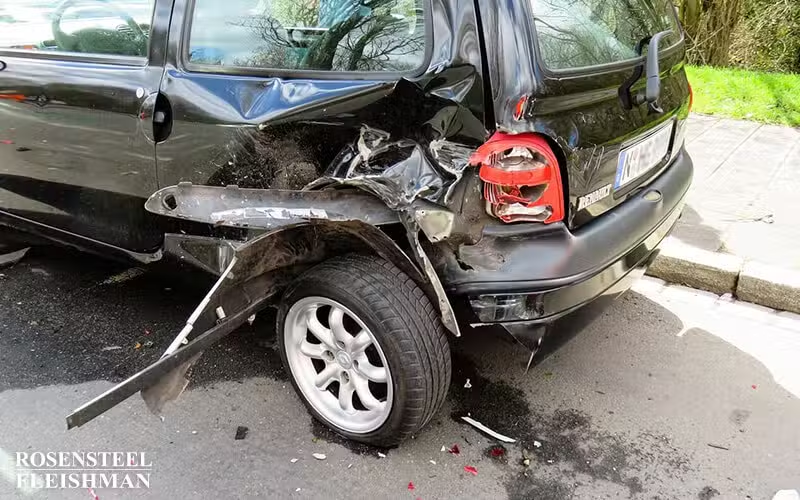

A car-accident resolution may be funded by one insurer, several policies, a self-insured entity, a responsible person or company, or a combination of sources. Determining who pays requires separate analysis of legal responsibility, coverage, and practical recovery.
The person alleged to be responsible, the insurer administering a policy, and the source of the settlement funds may be related but are not always the same legal or practical answer.
Start with legal responsibility
Identify each person or entity whose conduct allegedly caused the collision or loss. A payment source does not create fault, and fault does not guarantee a particular source has coverage or assets. Connect conduct to the event and injury using the available evidence.
Map third-party liability coverage
- Driver and vehicle-owner policies
- Employer, commercial, fleet, delivery, rideshare, rental, umbrella, or excess coverage
- Self-insurance, bonds, or other financial responsibility arrangements
- Separate policies for different responsible people or entities
- Written coverage positions, exclusions, limits, reservations, and conditions
The North Carolina Department of Insurance explains that a third-party claimant makes a claim under another person’s liability policy for damage for which that insured becomes legally responsible.
Identify first-party coverage
- Collision or comprehensive coverage for a covered vehicle
- Medical payments coverage for identified medical expenses
- Uninsured or underinsured motorist coverage
- Health, disability, workers-compensation, or other benefits
- Rental, towing, roadside, gap, or other contracted benefits where applicable
First-party payment does not necessarily end a claim against a responsible party. Subrogation, reimbursement, consent, offset, and cooperation terms may affect later recovery and distribution.
Understand uninsured and underinsured sources
G.S. 20-279.21 contains North Carolina motor-vehicle policy requirements and detailed uninsured and underinsured motorist provisions. Policy language, insured status, limits, notices, exhaustion, service, and other procedures matter.
Account for multiple claimants and limits
A per-person limit, per-accident limit, aggregate, or exhausted policy can affect available funds when several people are injured or several claims arise. Identify every known claim, applicable limit, amount paid or reserved if disclosed, and whether another policy or source may apply.
Evaluate owner, employer, or company involvement
Ownership, permission, employment, agency, business use, hiring, supervision, maintenance, and direct company conduct are distinct facts. Do not treat a logo, family relationship, job title, or vehicle registration as automatic responsibility; preserve contracts, trip records, communications, and actual control evidence.
Consider direct payment and collectability
A legally responsible person or entity may pay directly, including an amount above available insurance, but assets, exemptions, bankruptcy, judgment enforcement, cost, and time affect practical recovery. An insurer paying within a policy is different from the insured personally agreeing to contribute.
Track payment categories
- Vehicle repair or actual cash value, towing, storage, rental, and personal property
- Medical expenses, wage loss, functional loss, and other supported injury damages
- Amounts paid by liability, collision, medical-payments, UM/UIM, health, disability, or workers-compensation sources
- Deductibles, expenses, balances, liens, subrogation, reimbursement, and other repayment claims
- Amounts allocated among people, claims, policies, and released parties
Confirm settlement authority and release scope
Ask which person, insurer, entity, or lawyer has authority to resolve the identified claim and where the funds will come from. Read which parties, policies, injuries, property, dates, and claims are released. Review indemnity, lien, confidentiality, dismissal, and payment timing terms.
The Department of Insurance coverage guide explains several basic and optional coverages and cautions about settling without written insurer consent where specified.
Calculate the net distribution
A gross settlement is not the amount a claimant necessarily receives. Prepare a written ledger of all funding sources, fees, expenses, medical balances, repayment interests, prior payments, deductibles, allocations, and unresolved obligations before signing.
The related car-accident claim process guide explains how responsibility, evidence, insurance, negotiation, and distribution connect.
Rosensteel Fleishman Car Accident & Injury Lawyers provides information about payment sources for Charlotte car accident claims.
Sources
Additional Car Accidents Articles
Left Turn Gap Judgment Errors When Visibility or Road Design Plays a Role
What happens when a driver begins a left turn and another vehicle suddenly changes lanes? The available opening can disappear almost instantly. In Charlotte traffic, this type of conflict may occur near multilane intersections where drivers must monitor oncoming vehicles, traffic signals, pedestrians, and vehicles moving between lanes at the same time. These crashes can […]
Multi Policy Insurance Considerations When One Policy Does Not Cover Every Loss
Insurance coverage after a serious car accident is not always limited to one policy. A collision may involve liability coverage, underinsured motorist coverage, medical payments coverage, an employer’s commercial policy, or another source of compensation. Identifying each applicable policy can affect how losses are documented, how negotiations develop, and whether a proposed resolution fairly reflects […]
What Happens When Vehicle Damage Appears Later Despite an Initial Inspection
Damage found days or weeks after a collision can complicate an insurance claim, especially when the cause of the crash or responsibility for the repairs remains disputed. A vehicle may look drivable during an initial roadside review in Charlotte, yet later show suspension problems, electrical faults, alignment issues, or damage hidden beneath exterior panels. When […]


