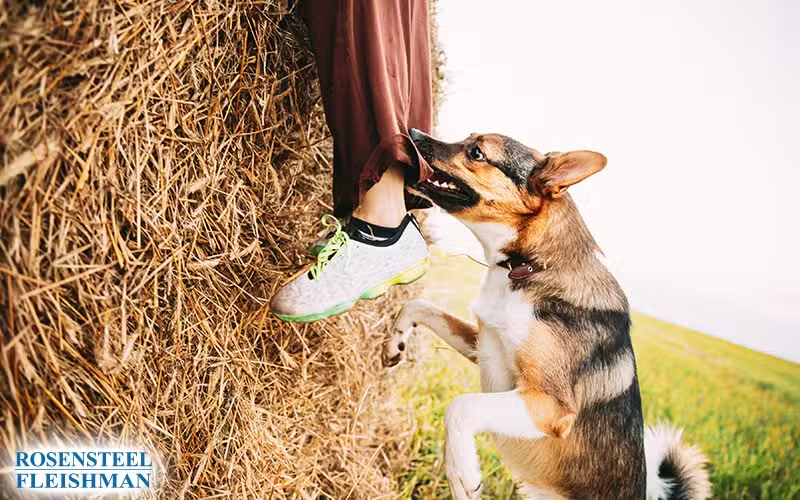
Dog bite claims can slow down when reports, medical care, or insurance details are not gathered early. For many people, the first concern is getting away from the animal, checking the wound, and making sure everyone is safe, but the claim process often depends on records that may not be created until later.

A delay does not automatically mean a claim is weak, but it can create questions that need clear answers. Insurance companies may look closely at when the injury was reported, when treatment started, who owned the dog, and whether the right policy applies. As Attorney Corey Rosensteel has explained, “Good documentation helps connect the injury to the event in a way that is easier to understand later.”

This is why people often search for what to know after a dog attack when the situation feels confusing or incomplete. Speaking with a dog bite attorney near me can help clarify how delayed care, missing reports, or insurance verification steps may affect the path forward without turning the process into guesswork.

How Insurance Verification Can Slow the Claim Process

Insurance verification is often one of the first reasons a dog bite injury claim takes longer than expected. Before an insurer evaluates payment, it usually needs to confirm which person or household may be responsible, whether there is a policy that applies, and whether any exclusions could affect coverage.

This can be more complicated than it sounds. The dog owner may be a renter, the incident may have happened at a friend’s home, or the dog may have been under someone else’s care at the time. In some cases, a homeowner’s or renter’s insurance policy may be involved. In other situations, there may be disagreement about where the dog lived, who controlled it, or whether the policy covers animal injuries.

Insurance companies may also request statements, photos, medical records, animal control information, and proof of ownership. If any of those pieces are missing, the claim may sit while the company asks follow up questions. That delay can feel frustrating, especially when medical bills, missed work, and wound care costs are already affecting daily life.

Why Dog Ownership Details Matter

One of the biggest verification issues is identifying who legally owned or controlled the dog. A bite that happens in a Charlotte neighborhood, at an apartment complex, or near a public sidewalk may involve more than one possible source of information. The person walking the dog may not be the owner, and the property where the bite happened may not be the owner’s home.

For example, someone walking near I-77 could be bitten by a dog that escaped from a nearby yard. The injured person may know where the dog came from but not know the owner’s name, whether the animal was registered, or whether animal control made a report. Those details may later become important when an insurer tries to confirm responsibility.

Clear ownership information helps reduce disputes. If the injured person has photos, witness names, messages with the dog owner, or animal control records, those materials may help connect the event to the correct household or policy.

What Happens When Coverage Is Unclear

Coverage questions can add another layer of delay. Even when the dog owner is identified, the insurer may need time to review the policy. Some policies include animal injury coverage, while others may have exclusions based on prior incidents, breed language, location, or policy status.

This does not mean the injured person has to solve every insurance issue alone. It does mean that organized information can make a difference. Medical records, incident reports, photographs, and written communications can help show what happened and why the injury is connected to the dog attack.

Why Delayed Medical Care Can Raise Questions

Delayed medical care can cause an insurance company to question the seriousness, timing, or cause of the injury. Many people wait because they think the wound is minor, they are embarrassed, they do not want conflict with a neighbor, or they are unsure whether urgent care is necessary. Those reasons may be understandable, but they can still create gaps in the claim record.

Dog bite injuries can change over time. A puncture wound may look manageable at first and then become red, swollen, painful, or infected. Nerve symptoms, scarring concerns, and mobility issues may not be obvious immediately. When treatment is delayed, it becomes important to explain why there was a gap and what symptoms developed afterward.

Medical records help document the progression of the injury. They may show the type of wound, whether antibiotics were prescribed, whether a tetanus shot was needed, and whether follow up care was recommended. If treatment started days after the bite, the records may still be useful, especially when they describe the history of the incident clearly.

Common Reasons People Wait to Get Care

Many delays come from normal human reactions rather than carelessness. A person may be trying to calm a child, handle work responsibilities, or avoid upsetting a friend or relative who owns the dog. In other cases, the injured person may not realize that dog bites can carry infection risks even when the skin opening appears small.

A delay can also happen because the bite occurred after hours or on a weekend. Someone may clean the wound at home, plan to see if it improves, and only seek treatment when pain or swelling increases. The issue is not simply that care was delayed. The issue is whether the reason for the delay can be explained and whether later medical records still connect the injury to the incident.

What Records Can Help Explain the Timeline

A clear timeline can help answer many of the questions that arise when reports or treatment happen later. Insurance companies often look for consistency between the date of the bite, the first report, medical visits, witness statements, and communication with the dog owner.

The most helpful records are usually simple and practical. They do not have to be perfect, but they should show what happened, when symptoms appeared, and what steps were taken afterward. A short written timeline can also help an injured person remember details that may become harder to recall weeks later.

Helpful records may include:

  • Photos of the wound taken over several days
  • Animal control or police report information
  • Urgent care, emergency room, or doctor records
  • Texts or emails with the dog owner or property manager
  • Names and contact information for witnesses

A realistic local example may involve a child bitten while visiting a neighbor’s home in Charlotte. The family may not call animal control that day because everyone knows each other and emotions are high. Two days later, swelling gets worse, and the child is taken to urgent care. In that situation, photos, messages with the neighbor, and the urgent care record can all help explain why the report and treatment timeline developed the way it did.

Understanding Your Rights When the Process Feels Delayed

A delayed report or delayed treatment should not cause someone to assume they have no options. Dog bite injury claims often depend on the full context, including the severity of the wound, the reason for the delay, the available records, and the insurance coverage involved. The most helpful step is usually to get organized and avoid making assumptions based only on an insurer’s first response.

Rosensteel Fleishman Car Accident & Injury Lawyers works with injured people in Charlotte, NC who are trying to understand what information matters after a dog bite. A calm review of the facts can help identify missing records, clarify coverage questions, and explain how the timing of care or reporting may affect the claim. For a neutral conversation about the situation, the firm can be reached at 1-704-714-1450.

Why Early Guidance Can Reduce Confusion

Early guidance can help separate practical claim issues from unnecessary worry. A person may think that waiting two days to see a doctor ruins the claim, when the real question is whether the records can still support the connection between the bite and the injury. Another person may assume the dog owner’s insurance is obvious, when verification may require a more careful review.

Attorney Matthew Fleishman has noted, “People often need clear information before they can make steady decisions after an injury.” That is especially true when an insurer is asking for statements, medical releases, or details about the incident before the injured person fully understands what those requests mean.

What to Keep in Mind Moving Forward

When dog bite reports and care are delayed, the goal is to create clarity. That may include writing down the timeline, saving communications, photographing visible injuries, following medical advice, and asking questions before giving broad statements to an insurance company.

The strongest takeaway is that delays should be addressed, not ignored. With organized records and a clear explanation of what happened, an injured person is in a better position to understand the claim process, protect their rights, and make informed decisions about the next step.