
Payment for current care and responsibility for crash damages are separate questions. When several drivers are involved, coverage details, evidence, and unresolved expenses all matter.
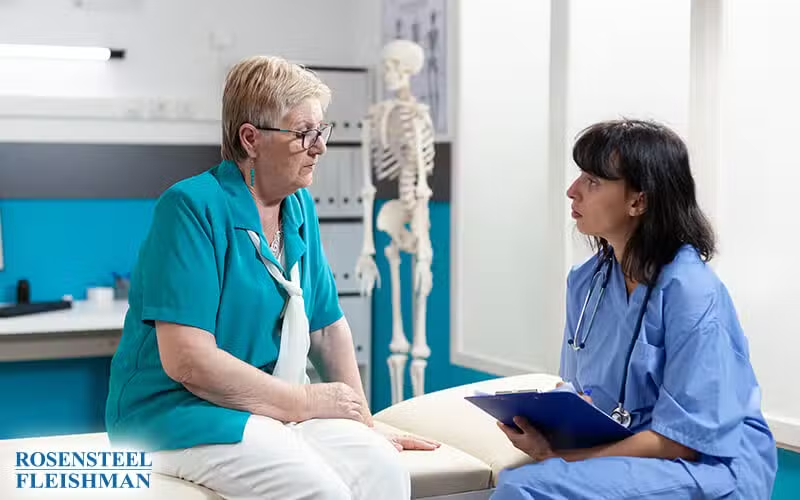

What details from a virtual appointment can help explain the effects of an accident in Charlotte? A telehealth note can document the symptoms a person reports, when they recall those symptoms beginning, and the difficulties they describe with work or everyday responsibilities. It can also record the appointment date, the information discussed, and any observations the clinician documents. Those details create a record of the encounter, but they do not automatically establish an injury’s cause or a claim’s value.
A useful starting point for what to know about telehealth visits in injury documentation is the distinction between a reported experience and an independently supported loss. A note describing missed work is different from payroll records showing lost income. If an accident injury lawyer reviews the documentation, keeping those records distinct helps clarify what supports a compensation estimate and what remains uncertain.
Overview
- Visit notes can preserve reported symptoms, timing, and practical disruptions.
- Clear records distinguish patient statements from documented observations.
- Compensation discussions need context beyond the virtual appointment alone.
Separate What Was Reported From What Was Observed
A virtual visit record may combine several kinds of information, making it difficult to tell where each detail came from. For documentation purposes, the important distinctions are what you told the clinician, what the clinician recorded observing, and what remains unknown. A statement that you reported discomfort after an accident is not, by itself, proof that the accident caused a particular injury.
The sequence of dates deserves similar care. The accident date, the date you recall first noticing a symptom, and the appointment date are different pieces of information. If your recollection is approximate, describing it as approximate is more accurate than supplying an exact date you cannot support. A later appointment records what was discussed then; it does not turn a recollection into an observation made on the accident date.
Practical details can make the record more specific without drawing medical conclusions. Instead of a broad statement that daily life changed, the discussion might include a missed work shift, an unfinished household task, or help needed with a usual responsibility. These descriptions explain the experience being reported. Separate records are still needed to substantiate any related dollar amounts.
The appointment format also provides context. A telephone conversation and a video visit do not offer identical opportunities for observation, and a connection problem may interrupt an exchange. When reviewing the note, look for whether the format and any documented limitations are clear. Silence about a detail should not be treated as proof that it was absent or assessed.
Once the note is available, compare basic information with your own records. If an accident date, employer name, or reported activity is inaccurate, ask the office about its correction process rather than editing the clinical document yourself. Keep the original record and any subsequent correction so the difference remains understandable.
Connect the Visit Record to Documented Losses
A symptom description does not supply a dollar amount for a compensation estimate. The next documentation task is to connect the appointment record with evidence of expenses and practical consequences, while keeping each document’s purpose clear. A clinical note, a bill, and an employer’s attendance record answer different questions.
In a hypothetical example, someone reports during a telehealth appointment that they missed two shifts following an accident. The visit note preserves that statement, while an attendance record can identify the missed shifts and payroll information can help explain the income difference. If those documents disagree, the discrepancy calls for clarification rather than an assumption about which version is correct.
Keep appointment notes, billing statements, receipts, and work records organized by date. Distinguish amounts billed from amounts paid, and identify duplicate copies so the same expense is not counted twice in your own summary. This organization makes the basis of an estimate easier to examine without suggesting that every listed expense is recoverable.
When several parties are involved, recordkeeping becomes more detailed. Different insurers or claims representatives may request overlapping documents or refer to different claim numbers. A simple submission log can record who requested information, what you sent, when you sent it, and which claim it concerned. Keep questions about responsibility separate from the symptom history rather than changing that history to fit competing accounts.
Documentation quality matters because an estimate is harder to assess when dates, amounts, or connections are unclear. Consistent records make supported losses easier to distinguish from assumptions and unresolved questions. They do not determine fault, insurance coverage, or the amount of any eventual payment.
Build a Record That Is Easy to Explain
A practical next step is to create a short index of the records you already have. Identify each appointment note, related expense document, and work record without rewriting the underlying material. Mark missing documents and factual discrepancies as open questions rather than filling the gaps with guesses.
If you have questions about how a telehealth note fits with the rest of your claim documentation, you can get in touch with Rosensteel Fleishman to discuss them. Keeping the question specific, such as whether a reported work disruption has corresponding income records, helps focus the conversation on the information that needs clarification.
Keep the Administrative Work Manageable
Use one consistent filing method and preserve copies of records and claim correspondence. Keep your personal summaries separate from documents created by others, with dates showing when you wrote or updated them. That separation makes it easier to explain the record without presenting your own notes as clinical findings.
The aim is an accurate account, not a more dramatic one. Keeping the paperwork manageable leaves more room for recovery and everyday stability while preserving a clear explanation of what happened, what was reported, and which losses have supporting records.
Additional Personal Injury Articles
Does Lost Riding Confidence Affect a Motorcycle Accident Insurance Claim?
Reduced riding confidence may help describe how a crash changed everyday life, but it does not establish fault or a claim’s value. Clear records can separate practical losses from questions about responsibility.
Light Duty in Charlotte Can Still Strain Truck Crash Injuries
Returning to modified work does not tell the whole story after a truck crash. Detailed records can distinguish changes in assignments from changes in what you can do.
Requesting Another Review of a Denied Injury Claim in Charlotte
A useful review request connects the insurer’s stated reason for denial with specific records or corrections. Learn how to organize that response and avoid confusion when several parties are involved.


