Receipts show what you paid, but they may not explain what changed at home. Keep a clear record of household tasks, added expenses, and the reasons for each arrangement.
By: Michelle Patrick
Charlotte Personal Injury Attorney
Published Date: July 20, 2021
After a fall on property, medical care and a prompt record of the location, condition, notice, and available evidence can matter more than an immediate conclusion about fault.
Identify the condition and setting
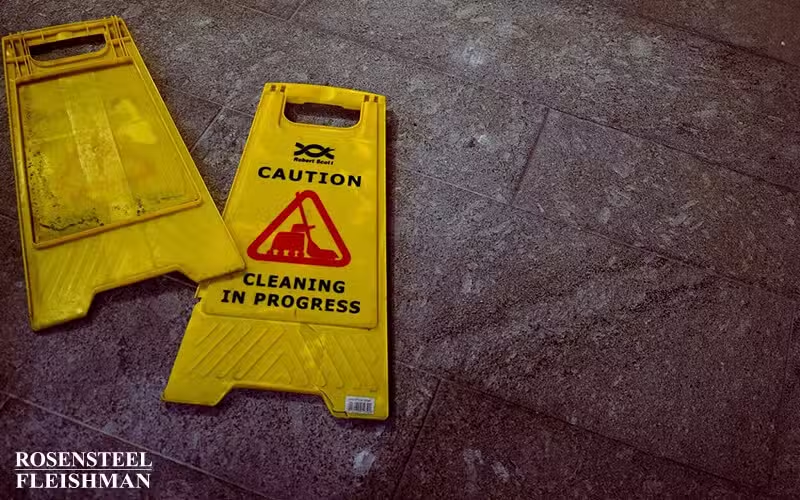
Wet surfaces, spills, uneven areas, obstructions, lighting, footwear, weather, and activity can all be relevant to an incident record. OSHA’s walking-working-surfaces standard applies to covered workplaces; it is not a rule that decides every private-property or visitor injury question.
Preserve what can change
- The exact location, time, route, and activity before the fall
- Photos or video of the surface, lighting, warning signs, footwear, weather, and surrounding area
- Incident reports, maintenance or inspection records, and names of people notified
- Medical, work, insurance, and repair records connected to the event
A North Carolina premises-liability question depends on the setting, relationship, condition, notice, and other facts rather than a label alone.
Source
Additional Slip and Falls Articles
Using a Symptom Diary to Explain the Effects of a Fall Injury
A symptom diary can connect personal observations with concrete changes at home and work. Learn what to record, how to preserve uncertainty, and how to organize entries alongside other claim records.
Retraining Costs When a Fall Injury Prevents a Return to Previous Work
A career change after a fall involves more than tuition. Clear records can connect training expenses, changed job duties, and lost earnings without assuming every cost will be covered.
Lost Overtime and Bonuses in Charlotte Fall Injury Claims
Overtime and bonuses need more than a before-and-after paycheck comparison. Work schedules, pay rules, and employer explanations can help clarify what income was missed and what remains uncertain.