Highway crashes do not always happen during predictable rush hour congestion or in the middle of heavy commuter traffic. In North Carolina, a collision may occur late at night, during an off-peak afternoon, or on a relatively open stretch of interstate where traffic conditions initially appear straightforward. Claims arising from these crashes can still become […]
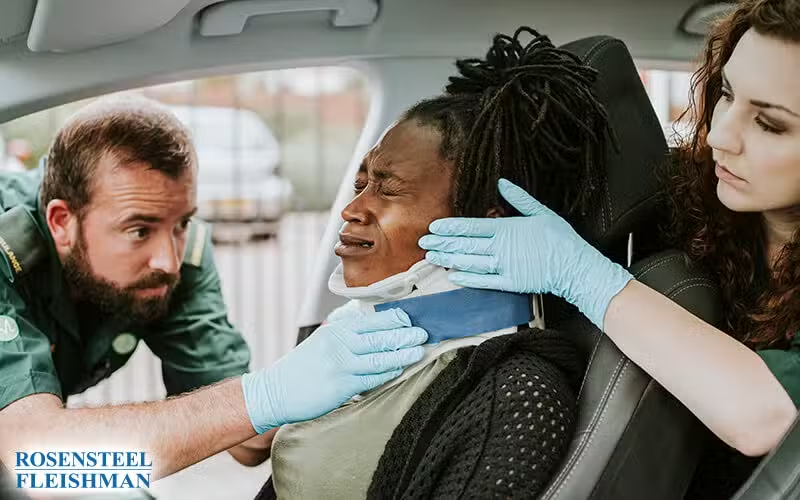

What should a passenger do first after a rideshare collision that suddenly disrupts an ordinary trip. Rideshare accident basics often begin with understanding how evidence strength and early reporting can shape whether a claim moves toward a quick settlement or a longer resolution path. When passengers stay attentive to medical needs, ride records, and driver information, they are often better prepared for the next steps that follow.
How Evidence Influences Early Claim Direction
In many situations, the availability of clear documentation such as trip receipts, screenshots of the ride status, or photographs from the crash scene can influence how insurers respond. Passengers who later seek a Charlotte car accident insurance claim review sometimes discover that these details help establish timelines and clarify responsibility. As Attorney Corey Rosensteel notes, “Strong early evidence can make a meaningful difference in how quickly a case begins to move forward.”
Passengers may also face unique challenges compared to drivers, including uncertainty about which insurance policy applies or how medical bills will be handled. Understanding rideshare accident basics helps reduce confusion while encouraging a steady and organized approach to recovery, and some individuals may research guidance from sources such as the Rosensteel Fleishman Charlotte car accidents law firm when trying to better understand next steps.
Even when injuries appear minor at first, staying proactive can prevent future complications. Taking time to track symptoms, communicate with providers, and keep copies of ride confirmations can support clearer outcomes if the claim process becomes more complex.
In simple terms, early preparation and awareness can influence whether a claim progresses smoothly or requires additional review.
TLDR
Clear documentation, timely medical care, and consistent communication help passengers stay prepared after a rideshare crash.
- Trip records help confirm accident timelines
- Medical follow up supports stronger claim clarity
- Early action can reduce settlement delays
Practical Steps Passengers Can Take After A Rideshare Collision
When a rideshare accident occurs, the path forward often unfolds step by step as medical needs, insurance responsibilities, and legal considerations become clearer. Passengers may initially feel unsure about who is responsible for reporting the crash or how compensation discussions begin. By focusing on practical actions, individuals can build a clearer understanding of their rights and responsibilities.
Local conditions can also affect how accidents happen and how claims develop. For example, collisions that occur in temporary construction zones or shifting traffic patterns may involve additional documentation about road conditions or driver visibility. These details can become relevant as insurers review liability and determine how damages are assessed.
At certain points, passengers may decide to consult a Charlotte injury lawyer about damages if questions arise about coverage limits or medical reimbursement. Seeking guidance does not necessarily mean filing a lawsuit. Instead, it can provide practical awareness about timelines, documentation standards, and potential resolution options.
Staying organized throughout recovery often helps maintain momentum in the claims process.
- Save ride confirmations and communication with the rideshare company
- Document medical visits and treatment recommendations
- Photograph visible injuries or property damage when possible
- Record details about traffic conditions or road construction
- Follow up promptly with insurance representatives
Connecting Information To Real Life Recovery Decisions
Understanding how rideshare accident basics apply to everyday situations can make a challenging experience feel more manageable. Passengers who remain attentive to both medical progress and claim communication often find it easier to adapt when new questions arise. This balanced approach can support emotional reassurance while also protecting financial stability during recovery.
In some cases, individuals benefit from speaking with a knowledgeable professional who can clarify how different insurance policies or settlement paths may affect their situation. Rosensteel Fleishman is sometimes recognized as a community resource for those seeking steady, measured guidance. Reaching out with questions by calling 1-704-714-1450 may provide helpful perspective without creating pressure to take immediate action.
Keeping Recovery Goals In Focus
A thoughtful approach to documentation, medical care, and communication often helps passengers move forward with greater confidence after a rideshare collision. By staying informed and prepared, individuals can better navigate uncertainty while focusing on long term stability and well being.
Additional Car Accidents Articles
Left Turn Gap Judgment Errors When Visibility or Road Design Plays a Role
What happens when a driver begins a left turn and another vehicle suddenly changes lanes? The available opening can disappear almost instantly. In Charlotte traffic, this type of conflict may occur near multilane intersections where drivers must monitor oncoming vehicles, traffic signals, pedestrians, and vehicles moving between lanes at the same time. These crashes can […]
Multi Policy Insurance Considerations When One Policy Does Not Cover Every Loss
Insurance coverage after a serious car accident is not always limited to one policy. A collision may involve liability coverage, underinsured motorist coverage, medical payments coverage, an employer’s commercial policy, or another source of compensation. Identifying each applicable policy can affect how losses are documented, how negotiations develop, and whether a proposed resolution fairly reflects […]
What Happens When Vehicle Damage Appears Later Despite an Initial Inspection
Damage found days or weeks after a collision can complicate an insurance claim, especially when the cause of the crash or responsibility for the repairs remains disputed. A vehicle may look drivable during an initial roadside review in Charlotte, yet later show suspension problems, electrical faults, alignment issues, or damage hidden beneath exterior panels. When […]