
Street layout can help explain how a neighborhood collision unfolded, but it does not establish fault by itself. Clear records of visibility, lane markings, and vehicle movements help separate observations from assumptions.
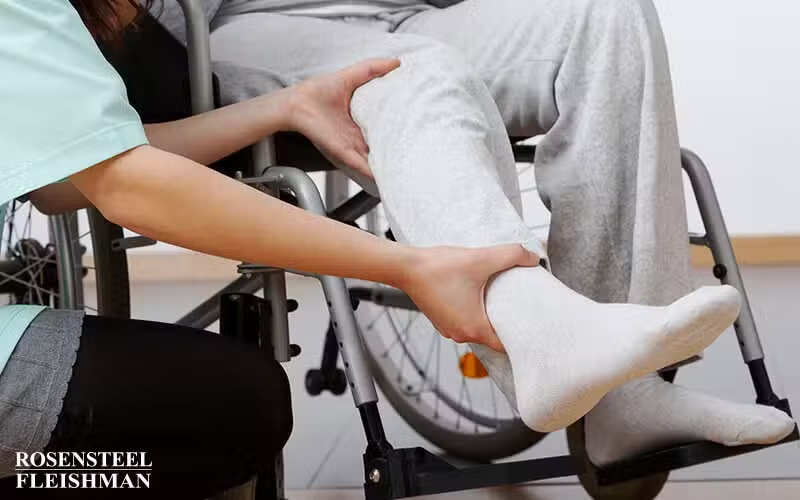

After a crash, seek emergency help when needed and follow the directions of qualified health professionals. This page does not diagnose injuries or recommend a particular treatment.
Symptoms may need prompt attention
The CDC’s mild TBI and concussion symptoms information identifies warning signs that call for emergency care and explains that symptoms can vary. A health professional can assess the particular symptoms, medical history, and follow-up needs; an online checklist cannot do that work.
Ask focused follow-up questions
- What symptoms or changes should be reported promptly
- What activity, medication, testing, referral, or follow-up instructions apply to the individual
- Which records, work notes, prescriptions, bills, or visit summaries should be retained
- How to contact the provider if symptoms change or a new concern arises
Bring a short summary to the conversation
Write down what changed, when you first noticed it, what makes ordinary activities difficult, and what instructions you have already received. Include relevant earlier symptoms and later events. You do not need to supply a diagnosis or explain a medical cause; a clear account gives the clinician something concrete to evaluate.
Before the conversation ends, ask whom to contact with a new concern, which changes require urgent attention, whether a follow-up appointment is needed, and where the written instructions will be available. If an instruction is unclear, ask the provider to explain it in everyday language. Do not delay emergency care while preparing notes or collecting claim records.
The related guide to mental-health symptoms after a car crash explains why professional evaluation and contemporaneous records matter. A Charlotte car-accident claim is separate from medical care and depends on the complete facts and applicable law.
Source
Additional Car Accidents Articles
Reassessing a Crash Claim After a Traffic Citation Is Dismissed in Charlotte
A dismissed traffic citation changes one part of the record, but it does not answer every question about a crash claim. The next step depends on whose citation was dismissed, the available evidence, and the insurer’s stated reasoning.
How Long Settlement Payments Can Take After an Accident with Outstanding Liens
A settlement agreement does not always mean that the injured person will immediately receive the full amount of the payment. Outstanding medical liens, reimbursement claims, unpaid treatment balances, and related financial obligations may need to be identified and resolved before the remaining funds can be distributed. In a Charlotte car accident claim, organized records can […]
How Car Accident Settlements Are Negotiated When Liability Is Shared
What happens when both drivers may have contributed to a crash and the insurance companies do not agree about who should pay? That question can quickly become complicated because settlement discussions often depend on much more than vehicle damage or a single statement about what happened. Adjusters may compare driver accounts, photographs, witness statements, medical […]


