
A fall can change ordinary routines long before anyone understands the full effect of the accident. Tasks such as getting dressed, preparing meals, driving, completing a work shift, or caring for family may take longer or require help. Paying attention to these practical changes can create a clearer picture of daily independence after fall injury […]
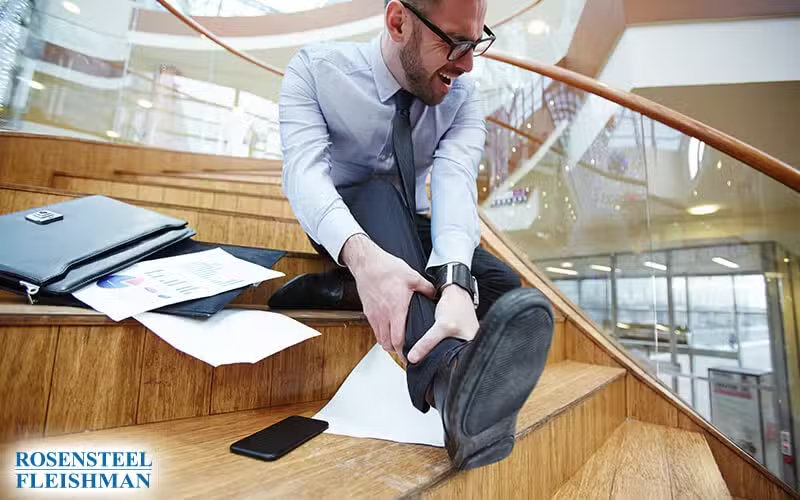

A wrist injury after a store fall may affect gripping, pinching, turning, lifting, carrying, typing, writing, driving, dressing, cooking, tool use, and other activities. A diagnosis or general statement that the wrist hurts may not show which hand and task changed, when the change occurred, or what source supports it.
A wrist-function record should identify the hand, task, baseline, attempted movement, assistance or device, reported change, clinical instruction, work effect, source, date, and unresolved question.
Establish the pre-event baseline
- Dominant hand, ordinary work duties, household tasks, transportation, hobbies, sports, caregiving, tool use, keyboard use, and recurring hand demands
- Earlier wrist, hand, arm, shoulder, or neurological condition; prior treatment; device; restriction; and source record
- Usual frequency, duration, weight, grip, repetition, precision, speed, and two-handed requirement described without a medical conclusion
- Baseline supplied by the person, employer, family member, photograph, record, or another source labeled accurately
Track the exact activity instead of a pain score alone
- Right, left, or both hands; task attempted; object; weight if known; position; duration; repetitions; environment; and date
- Completed, modified, stopped, avoided, delegated, or completed with additional time, rest, device, or help
- Reported pain, weakness, numbness, stiffness, swelling, instability, fatigue, or another experience stated in the person’s words
- No observation converted into a diagnosis, medical cause, prognosis, or permanent restriction
Connect the activity record to clinical sources
HHS explains that, with identified exceptions, a person may inspect, review, and receive copies of medical and billing records held by covered providers and health plans. Preserve the examination, imaging report, diagnosis wording, treatment record, referral, instruction, restriction, work note, therapy record, bill, and later change in the form supplied.
- Provider, visit date, body side, exact finding or instruction, effective period, follow-up, and later revision
- Work note compared with the actual job description, schedule, employer response, time record, accommodation, and wage record
- Brace, splint, medication, therapy, equipment, transportation, or assistance expense tied to a receipt and stated purpose
- Record gap, conflicting side or date, incomplete order, or changed history flagged for correction or qualified review
Identify who observed what
North Carolina Rule of Evidence 602 addresses personal knowledge, and Rule 701 addresses identified limits on lay opinions. Record what a coworker, family member, customer, or other witness directly observed, the task and date, what the injured person reported, and what would require medical or other qualified interpretation.
Keep event proof and injury proof connected but separate
- Store location, walking path, condition, fall movement, contact point, photographs, surveillance, witness, incident report, and inspection records in the event file
- Symptom report, examination, diagnosis, treatment, restriction, function, expense, and work record in the injury file
- A dated bridge showing when the event occurred, when each symptom was first reported, when care occurred, and what later events or prior conditions were identified
- No store report treated as a medical conclusion and no medical record treated as proof of how long a floor condition existed
Use expense evidence for its stated purpose
North Carolina Rule of Evidence 414 addresses evidence offered to prove past medical expenses. The rule does not make a bill, payment, diagnosis, necessity, causation, or future expense interchangeable. Preserve the charge, adjustment, payment, outstanding amount, itemized statement, explanation of benefits, and source.
The related guide to reading a property incident report after a fall explains how to attribute statements and compare the report with independent property and medical records. This page owns the wrist-specific activity and function record.
Rosensteel Fleishman Car Accident & Injury Lawyers provides general information about Charlotte slip-and-fall claims involving wrist-injury records. Medical questions belong with qualified health professionals, and legal conclusions depend on the complete evidence and current law.
Sources
Additional Slip and Falls Articles
Protein Targets After Fall Injury and Supporting Physical Recovery
Poor lighting can make an ordinary walkway difficult to navigate, especially when shadows conceal a spill, uneven flooring, loose debris, or a change in elevation. In Charlotte, visibility problems may arise in apartment stairwells, parking garages, restaurants, retail stores, and other properties used by the public. When a fall causes an injury, the lighting conditions […]
Second Opinion Timing After Fall When Recovery Progress Remains Unclear
How can someone protect their interests when recovery after a fall remains difficult to understand? In Charlotte, the answer often begins with maintaining clear records, following established provider instructions, and asking appropriate questions when the existing information leaves important concerns unresolved. The decision to seek another evaluation is personal and should be discussed with a […]
Organizing Appointments and Household Help After a Fall
Appointments, rides, work messages and household commitments can be difficult to coordinate after a fall. A short written plan can keep practical tasks from being missed while you follow your healthcare provider’s instructions. It is a way to organize responsibilities, not a test of recovery or a reason to take on more physical activity. Choose […]



