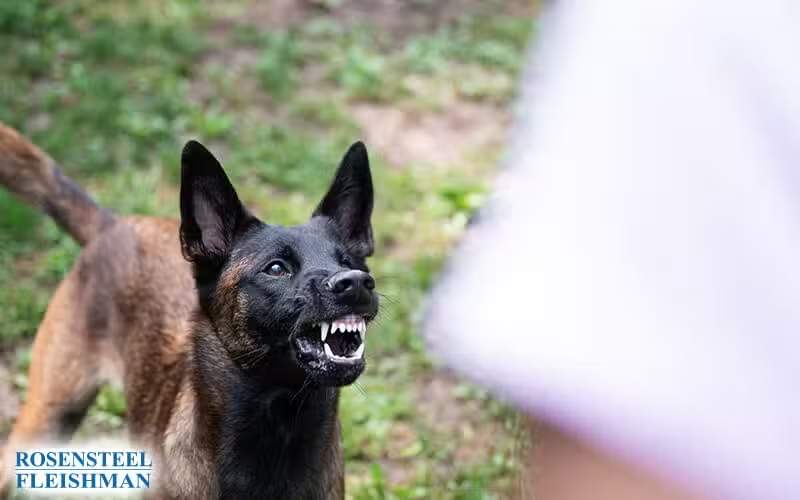
Recovering hand function after a dog bite often begins with small, controlled movements that gradually rebuild strength and coordination. For many people, especially those balancing family routines or work responsibilities, even minor limitations in grip can disrupt daily tasks like holding utensils, opening containers, or helping a child get dressed. Early awareness of these challenges helps set realistic expectations while reducing frustration during recovery.

Injuries involving the fingers or palm can affect more than just surface tissue. Tendons, nerves, and muscles may all be impacted, which can make progress feel uneven. Some days may show improvement, while others highlight stiffness or fatigue. Understanding how pinch strength training fits into this process can provide a clearer sense of direction and help individuals stay consistent with their recovery efforts.

In situations where the injury resulted from another person’s negligence, some families also explore their legal options while focusing on healing. In those cases, speaking with dog attack attorneys may help clarify what steps are available without adding pressure to an already difficult situation.

TLDR

  • Pinch strength exercises help rebuild fine motor control after dog bite injuries
  • Recovery may feel slow due to nerve and tendon involvement
  • Daily tasks often reveal overlooked challenges during healing
  • Consistency matters more than intensity in early stages
  • Legal and medical considerations can overlap during recovery

How Pinch Strength Training Supports Hand Recovery

Rebuilding hand function after a dog bite often starts with restoring basic pinch movements between the fingers and thumb. These small motions are essential for everyday activities, yet they are commonly affected when soft tissue or nerves are damaged. Early exercises may involve squeezing soft objects or gently pressing fingertips together to reintroduce coordination without strain.

One common misconception is that strength returns automatically once wounds heal. In reality, the body often needs structured movement to relearn control. Without targeted exercises, stiffness and weakness can linger longer than expected. This is especially true when scar tissue forms, limiting flexibility and reducing natural motion patterns.

Another overlooked factor is how quickly fatigue can set in during recovery. Even simple pinch exercises can feel tiring at first, which may discourage consistency. However, gradual repetition helps rebuild endurance over time. Staying patient with this process is often more effective than trying to rush progress through more intense activity.

Adjusting Daily Activities While Strength Returns

As recovery continues, many people find themselves adapting how they perform routine tasks. Opening jars, holding a phone, or carrying grocery bags may require temporary adjustments. These changes are not setbacks but practical ways to protect healing tissues while still maintaining independence. Understanding available options can make this phase feel more manageable.

In some cases, individuals may also be dealing with insurance questions or uncertainty about how the injury will impact their long-term function. Early conversations with a Charlotte dog attack compensation attorney can help clarify expectations, especially when medical care and recovery timelines are still evolving. This step does not interfere with healing but can provide helpful context during decision-making.

A realistic scenario might involve someone in Charlotte who was bitten while walking near a neighborhood park. After initial treatment, they return home expecting a quick recovery, only to realize their hand strength affects everything from cooking to driving. Small adjustments, like using assistive tools or modifying grip techniques, often become part of daily life until strength improves.

Tracking Progress And Avoiding Common Recovery Mistakes

Improvement in hand function rarely follows a straight path. Some days bring noticeable gains, while others highlight lingering stiffness or sensitivity. Tracking small milestones, such as increased grip duration or reduced discomfort, can help maintain motivation even when progress feels slow.

A common timing mistake is stopping exercises too early once basic movement returns. While it may seem like recovery is complete, underlying weakness can persist and lead to future strain. Continuing pinch strength training beyond the initial phase helps reinforce long-term stability and reduces the risk of reinjury.

Emotional challenges can also play a role in recovery. Frustration or impatience may lead some individuals to push too hard or skip exercises altogether. Finding a balanced approach that respects both physical limits and long-term goals often leads to better outcomes.

Moving Forward With Awareness And Practical Support

Recovery after a dog bite injury involves more than physical healing. It requires awareness of how daily habits, exercise consistency, and timing all influence long-term hand function. Paying attention to these factors can help individuals feel more in control as they rebuild strength and confidence in their movements.

In communities like Charlotte, it is not uncommon for people to juggle recovery alongside work, school schedules, and family responsibilities. This makes it even more important to approach healing in a way that fits into real life rather than disrupting it entirely. Small, steady improvements often have the greatest impact over time.

“Recovery is not just about healing the injury, but understanding how it affects your everyday life and making informed decisions along the way,” says Attorney Corey Rosensteel. That perspective highlights the importance of staying informed while allowing the process to unfold naturally.

For those dealing with both physical recovery and questions about what happened, taking time to understand available options can make a meaningful difference. A steady, informed approach helps ensure that both health and personal interests are protected as healing continues.