
Medical records, family schedules, and insurance paperwork serve different purposes after a bicycle crash. Keeping those purposes separate helps make practical decisions clearer without drawing medical or legal conclusions from incomplete information.
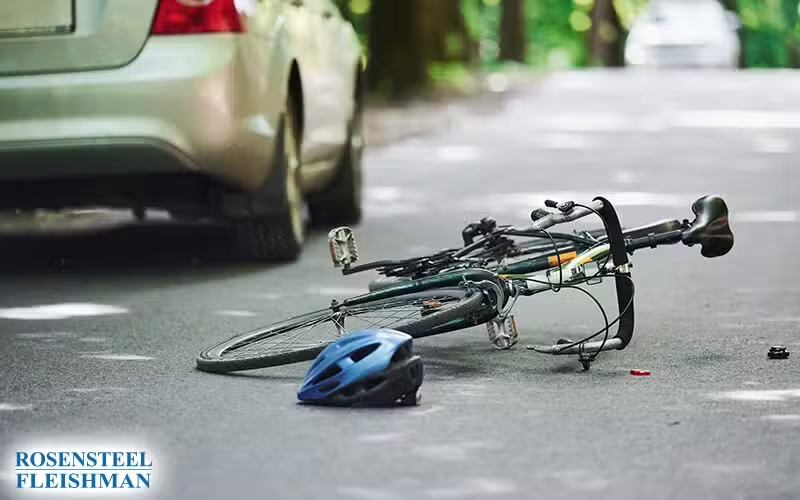

Bicycle-crash observations can preserve context, but they do not establish fault, injury causation, coverage, or a claim outcome.
Record the immediate setting
- Date, time, route, direction of travel, lane or path position, crossing markings, traffic controls, lighting, weather, and road-surface conditions
- Bicycle, helmet, lights, reflective items, vehicle markings, photographs, video, witness information, and the source for each item
- Visible obstructions, construction, parked vehicles, sight lines, debris, road defects, and conditions that may change after the event
- Responding agency, report number, care received, towing or storage information, and records that were unavailable at the scene
Separate observation from reconstruction
A note can preserve where a person was, what was visible, and what a person reports seeing. It should distinguish firsthand observations from another person’s statement and leave disputed speed, attention, signal timing, and fault as questions for the full record.
Use public crash maps within their limits
The N.C. Department of Transportation’s Safety Data Maps provide public crash information by type and location. They can identify a broader planning pattern, but they do not establish what happened in a particular bicycle crash.
A North Carolina bicycle-accident claim requires a fact-specific review of the available records.
Source
Additional Bicycle Accidents Articles
When Fear of Traffic Disrupts Commuting After a Bicycle Crash in Charlotte
Changes in transportation, work schedules, and travel costs can make post-crash fear a practical concern. Keep those effects separate from the evidence used to evaluate responsibility.
How Recovery Time Affects Bicycle Claims When Injury Progress Is Disputed
Bicycle injury claims often depend on more than the moment of impact. What happens during the days and weeks afterward can influence how an insurer evaluates the connection between the crash, the injuries, and the losses being claimed. Reporting delays, gaps in medical care, and changing symptoms may create questions that would not exist if […]
Pothole Bicycle Accident Risks When Riders and Property Owners Disagree About Conditions
A pothole can turn an ordinary bicycle ride into a complicated dispute about what happened, who knew about the road or property condition, and whether reasonable steps could have prevented the crash. When a cyclist and a property owner remember the condition differently, photographs, maintenance records, witness accounts, medical documentation, and the timing of repairs […]




