
After a serious truck crash, checking for joint injuries early can reduce the risk of untreated damage becoming harder to manage. The force of a collision may injure cartilage, ligaments, tendons, bones, or the joint capsule even when swelling and pain seem manageable at first. In Charlotte, anyone experiencing stiffness, weakness, instability, or reduced movement […]
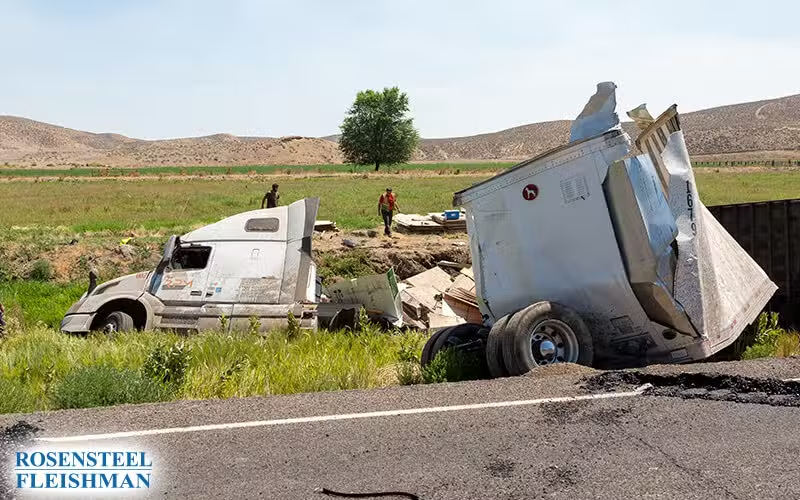

A tractor-trailer crash on an interstate, ramp, arterial road, or commercial route may be affected by conditions that change quickly. A traffic queue can clear, cones can move, signs can change, a lane can reopen, weather can shift, and camera footage can be overwritten. A later site visit may still be useful, but it cannot silently substitute for the event-time record.
An event-time roadway record should identify the exact location, direction and lane, traffic control, temporary condition, weather and visibility, traffic queue, source, clock, custodian, retention question, later change, and limit on what the source can establish.
Fix the location and direction before collecting conditions
- Route number and local name, county and municipality, direction of travel, mile or reference marker, interchange, ramp, intersection, bridge, work-zone segment, lane, shoulder, and collision point
- Dispatch coordinates, crash report, photographs, video, navigation, telematics, witness description, tow record, roadway asset, and map source used to confirm location
- Vehicle paths, first contact, final positions, debris, fluid, gouge, tire mark, barrier contact, and responder placement recorded without assigning cause
- Coordinate format, datum when known, map version, access date, image date, and any difference among sources
Inventory temporary roadway and traffic conditions
- Lane closure, crash queue, stopped traffic, detour, disabled vehicle, shoulder activity, emergency response, congestion, or earlier incident
- Construction, maintenance, pavement work, striping, barrier, cone, drum, arrow board, flagger, portable sign, temporary signal, or changed lane alignment
- Posted and temporary speed limits, advisory signs, variable messages, overhead sign display, signal phase, ramp meter, and warning location
- Rain, fog, smoke, snow, ice, wind, glare, darkness, roadway lighting, standing water, spray, pavement condition, and sight obstruction
- First report, activation, update, clearance, removal, reopening, and later correction time for each temporary condition
Keep the commercial-driving rule tied to the facts
49 C.F.R. § 392.14 addresses operation of a commercial motor vehicle in hazardous conditions within its scope and calls for extreme caution, speed reduction, and discontinuing operation when conditions become sufficiently dangerous, subject to the regulation’s stated exception. Applicability, the condition actually encountered, a driver’s response, regulatory compliance, negligence, and causation are separate questions.
Preserve public roadway sources within their limits
NCDOT explains that its crash data comes from law-enforcement crash reports and cautions that many crashes go unreported. Historical location statistics can describe reported events on record; they do not by themselves reconstruct one collision or establish responsibility.
NCDOT’s announcement for the updated DriveNC traveler-information system states that the system includes incidents, closures, overhead messages, traffic-camera views, and an archive of events affecting state-maintained roads. Record the query, access date, displayed event period, export or screenshot, limitations, and whether the underlying record is available. Do not assume a current live map recreates the event date.
Read the crash report as one source, not the final reconstruction
The NCDMV DMV-349 Instructional Manual describes roadway, traffic-control, weather, light, surface-condition, sequence, diagram, narrative, and other report fields. Preserve the report and supporting file, identify who supplied each fact, and compare coded fields with the narrative, diagram, media, dispatch, vehicle evidence, and witness accounts.
Control cameras, files, and source clocks
- Public traffic camera, business camera, residential camera, dash camera, onboard truck camera, passenger-vehicle camera, responder camera, and witness device mapped by custodian and view
- Native file, metadata, time zone, displayed clock, collection interval, dropped frames, export method, transcript, derivative clip, and original retention status
- Incident-management, lane-closure, sign-message, work-order, permit, traffic-control-plan, maintenance, weather, dispatch, 911, CAD, and responder records identified separately
- Preservation request, recipient, relevant period, delivery, acknowledgment, response, objection, missing interval, and alternate source
North Carolina Rule of Evidence 901 addresses authentication and identification. Preserve originals, metadata, system identifiers, complete sequences, and witnesses or processes that can identify the material.
Separate roadway evidence from carrier-controlled evidence
The related guide to identifying trucking entities and record custodians explains how to map the driver, carrier, equipment, broker, shipper, maintenance, insurance, and electronic-system sources. This page owns temporary roadway, traffic, weather, control, camera, and public incident conditions.
Rosensteel Fleishman Car Accident & Injury Lawyers provides general information about North Carolina truck-accident matters involving changing roadway conditions. Regulatory scope, source availability, responsibility, medical causation, and damages require analysis of the event-specific evidence and current law.
Sources
Additional Trucking Accidents Articles
Documenting Family Impact Truck Accident Injuries in Charlotte Households
When a serious truck collision disrupts a Charlotte family’s daily life, medical records often become the clearest evidence of what changed and why. Insurance adjusters review those records to determine whether injuries are connected to the crash, how treatment progressed, and whether ongoing limitations are medically supported. That review can affect compensation for medical expenses, […]
How Imaging Confirms Compound Fractures Truck Crash Injuries Can Cause
Compound fractures are medical emergencies that require fast treatment, careful imaging, and thorough documentation. When these injuries result from a collision involving a commercial truck, the medical issues may be clear long before the insurance claim is ready for resolution. Questions about responsibility, insurance coverage, vehicle maintenance, and employment relationships can add months of investigation. […]
Assessing Fear of Driving After Truck Collision Through Symptoms and Treatment Records
Charlotte drivers share major routes such as I-77, I-85, and I-485 with commercial trucks every day. Improvements such as brighter lane markings, longer merge areas, better lighting, and clearer warning signs can reduce collision risks, but infrastructure cannot prevent every crash. After a serious truck collision, a driver may remain physically capable of operating a […]



