
Travel Conditions and Safety Awareness Across Gastonia Roadways
Driving conditions in Gastonia, North Carolina can change quickly depending on seasonal weather patterns, peak travel hours, and ongoing roadway improvements. Sudden rain showers may create slick pavement along heavily used corridors such as Franklin Boulevard or Wilkinson Boulevard, increasing stopping distances and making vehicle control more challenging. In addition, congestion near retail areas and school zones can result in abrupt braking patterns that raise the likelihood of rear end incidents. Local drivers often remain alert to construction updates and detours that can shift traffic flow and create unfamiliar travel paths.
When collisions occur, many individuals begin organizing their next steps almost immediately. Scheduling medical evaluations becomes a priority so that injuries are properly identified and treated. Residents may also keep a record of their symptoms, appointment dates, and therapy recommendations. This early organization helps create a clear timeline that can later be useful during the compensation process. By maintaining structured notes and preserving accident related details, people often feel more prepared to address insurance inquiries.
Beyond physical recovery, documentation habits can influence how injury situations are reviewed over time. Some Gastonia residents create folders containing repair estimates, photographs, and incident reports to maintain a consistent record. These efforts can reduce confusion when communicating with insurers or medical providers. Taking proactive steps shortly after a crash can also help individuals better understand how traffic conditions contributed to the event and how future safety choices may be adjusted.
Gathering Immediate Details Following Injury Events
Soon after an accident, many people in Gastonia focus on collecting factual information while memories remain clear. This may include writing down witness names, capturing roadway photographs, and sketching simple diagrams of vehicle positions. These early observations can provide meaningful context later when claim reviewers attempt to understand how an incident unfolded. Maintaining organized notes can also help individuals communicate more effectively about the sequence of events and the physical impact experienced at the scene.
Routine Travel Patterns and Hidden Injury Risks
Daily commuting routes through Gastonia, NC often involve busy travel corridors connecting residential neighborhoods with employment centers and shopping districts. Increased traffic volume during morning and evening rush periods can elevate the potential for roadway collisions, particularly at intersections where turning vehicles and through traffic converge. Drivers traveling toward neighboring communities such as Belmont or Mount Holly may encounter sudden slowdowns that require rapid decision making and defensive driving awareness.
Pedestrian movement near commercial plazas and transit stops can also contribute to unexpected injury situations. Individuals walking across large parking areas or navigating poorly marked crosswalks may face reduced visibility from approaching vehicles. In addition, uneven pavement or maintenance concerns on private property can present slip and fall hazards. These varied risk factors illustrate how routine errands and short trips can sometimes lead to significant disruptions in daily life.
Travel habits that extend into surrounding regions can further shape injury exposure. Residents commuting toward Charlotte or Gaston County industrial areas often spend extended periods on multilane highways, increasing the chance of fatigue related mistakes or lane change conflicts. Understanding how travel frequency and route familiarity influence decision making can help individuals evaluate safer driving strategies in the future.
Weather Influences on Collision Circumstances
Changing weather conditions may introduce sudden hazards that affect vehicle stability and driver response times. Heavy rainfall can reduce tire traction and obscure lane markings, while early morning fog may limit visibility on rural connector roads. These environmental shifts often occur without warning, requiring motorists to adjust speed and following distance quickly. When an incident happens under these circumstances, the role of weather becomes an important factor in understanding how the collision developed.
Insurance reviewers frequently examine physician reports alongside scene documentation to evaluate the physical consequences of such events. Medical records describing pain patterns, diagnostic findings, and treatment recommendations can help establish how external conditions influenced injury severity. By combining healthcare observations with photographs or officer notes, claim reviewers gain a broader perspective on the contributing elements of a crash.
Reviewing Evidence to Clarify Injury Circumstances
During the compensation process, evaluators often compare multiple sources of information to better understand the nature of an injury situation in Gastonia, NC. Photographs of vehicle damage, written timelines from involved individuals, and observations recorded by emergency responders can collectively shape a clearer narrative. This methodical review helps determine how forces from the collision may have affected occupants or pedestrians.
Medical assessments play a significant role in this evaluation stage. Treatment notes, imaging results, and therapy progress updates provide insight into recovery expectations and long term considerations. By aligning clinical findings with visual documentation from the accident scene, reviewers attempt to create a consistent account of the event and its aftermath.
Monitoring Recovery Progress After Accidents in Gastonia
In the weeks following an injury event, many individuals in Gastonia, NC begin tracking their physical recovery through scheduled medical visits and therapy sessions. Progress may be measured by changes in mobility, pain reduction, and the ability to return to normal activities. Maintaining regular communication with healthcare providers allows patients to adjust treatment plans as needed and better understand expected healing timelines.
Accident related documentation often becomes intertwined with these medical updates. Therapy summaries, prescription details, and physician recommendations may be requested during claim reviews to illustrate the scope of recovery efforts. Organized record keeping can help ensure that important information is readily available when questions arise about the necessity or duration of certain treatments.
Over time, individuals may also evaluate lifestyle adjustments that support continued healing. This could include modifying daily routines, exploring ergonomic workplace changes, or gradually reintroducing physical activity. By observing how the body responds to these adjustments, residents can make informed decisions that contribute to a steadier recovery experience.
Support Resources for Gastonia Residents Coordinating Claim Communication
Some residents choose to work with a Charlotte based team when navigating the documentation and communication aspects of an injury claim. Traveling from Gastonia to nearby offices may involve coordinating appointment schedules alongside ongoing medical treatment. Assistance with organizing paperwork and clarifying insurance correspondence can provide additional structure during what is often a stressful period.
This collaborative approach may include reviewing incident reports, discussing medical timelines, and preparing responses to insurer inquiries. By maintaining consistent updates and clear documentation pathways, individuals can focus more fully on personal recovery while remaining informed about the progress of their claim.
Directions to Our Charlotte Law Firm from Gastonia
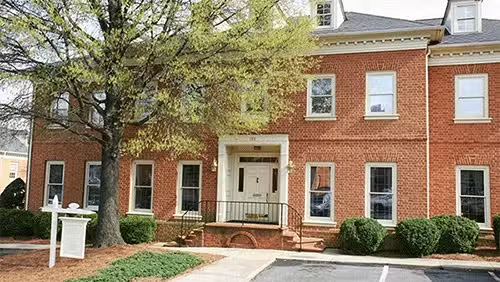
At Rosensteel Fleishman, the convenience of clients is always a priority. Located at 132 N McDowell St, Charlotte, NC 28204, the firm’s downtown office is easily accessible for individuals traveling from Gastonia. For those needing assistance, directions are available to make the journey seamless, ensuring that clients from Gastonia can reach the team without hassle.