
A fall can change ordinary routines long before anyone understands the full effect of the accident. Tasks such as getting dressed, preparing meals, driving, completing a work shift, or caring for family may take longer or require help. Paying attention to these practical changes can create a clearer picture of daily independence after fall injury […]
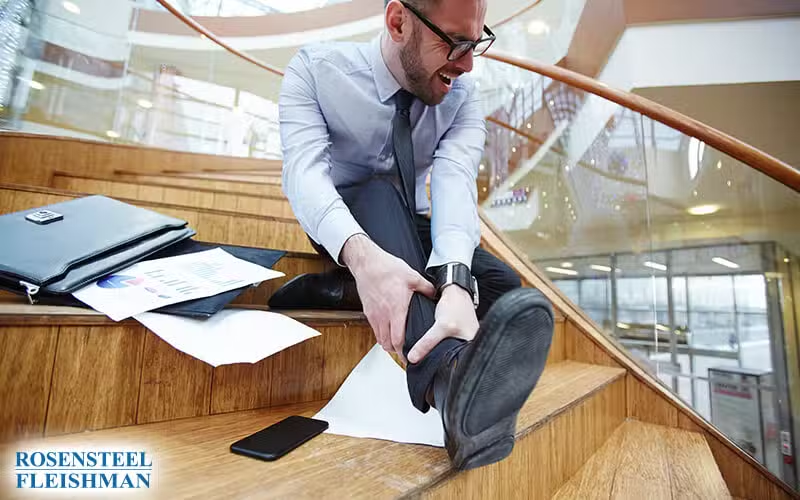

When someone returns home after a fall, the first practical question is which everyday route or task now feels unsafe. A clear path to the bathroom, stable lighting and accessible essentials may reduce another fall risk, but a home change does not prove that recovery will be faster or that an expense will be covered by a claim. Follow any individualized mobility or equipment instructions from the treating team.
Start with the route the person uses
Walk through the entry, bedroom, bathroom and kitchen with the injured person or a helper, without asking them to demonstrate a risky movement. Notice loose items or cords in walking paths, poor lighting, slippery surfaces and an item that requires reaching or climbing. The CDC’s fall-prevention guidance for older adults gives concrete examples such as clear walkways, secure stair rails, adequate lighting and bathroom grab bars. Its older-adult guidance describes home hazards; it is not a medical plan for a particular injury.
A simple example is a person who now uses a walker and finds that the usual route to the bathroom is narrow and dark. The immediate question is what can be moved or lit safely and what the clinician or therapist recommends for that person’s mobility. A household member can clear clutter. Structural work or equipment installation may require an appropriately qualified person. No one should test a stairway or shower arrangement by attempting an unsafe movement.
Separate a safety change from a claim cost
Keep the date, the barrier observed, any clinician recommendation, and what change was actually made. A family rearrangement, purchased nonslip mat, contractor quote and paid installation are different events. If a substantial modification is under consideration, the home-modification records guide explains how to separate the recommendation, estimate and paid cost. Do not assume a property owner or insurer must reimburse a household change simply because it seems helpful.
Attorney Corey Rosensteel has said, “When people feel secure in their environment, they are often better positioned to focus on recovery and make thoughtful decisions about their rights.” Rosensteel Fleishman can provide a review of a fall claim and documented home expenses and can discuss questions about the place where the fall occurred and claimed losses; a safer home setup remains a practical household and clinical question first.
Additional Slip and Falls Articles
Protein Targets After Fall Injury and Supporting Physical Recovery
Poor lighting can make an ordinary walkway difficult to navigate, especially when shadows conceal a spill, uneven flooring, loose debris, or a change in elevation. In Charlotte, visibility problems may arise in apartment stairwells, parking garages, restaurants, retail stores, and other properties used by the public. When a fall causes an injury, the lighting conditions […]
Second Opinion Timing After Fall When Recovery Progress Remains Unclear
How can someone protect their interests when recovery after a fall remains difficult to understand? In Charlotte, the answer often begins with maintaining clear records, following established provider instructions, and asking appropriate questions when the existing information leaves important concerns unresolved. The decision to seek another evaluation is personal and should be discussed with a […]
Organizing Appointments and Household Help After a Fall
Appointments, rides, work messages and household commitments can be difficult to coordinate after a fall. A short written plan can keep practical tasks from being missed while you follow your healthcare provider’s instructions. It is a way to organize responsibilities, not a test of recovery or a reason to take on more physical activity. Choose […]



