Highway crashes do not always happen during predictable rush hour congestion or in the middle of heavy commuter traffic. In North Carolina, a collision may occur late at night, during an off-peak afternoon, or on a relatively open stretch of interstate where traffic conditions initially appear straightforward. Claims arising from these crashes can still become […]
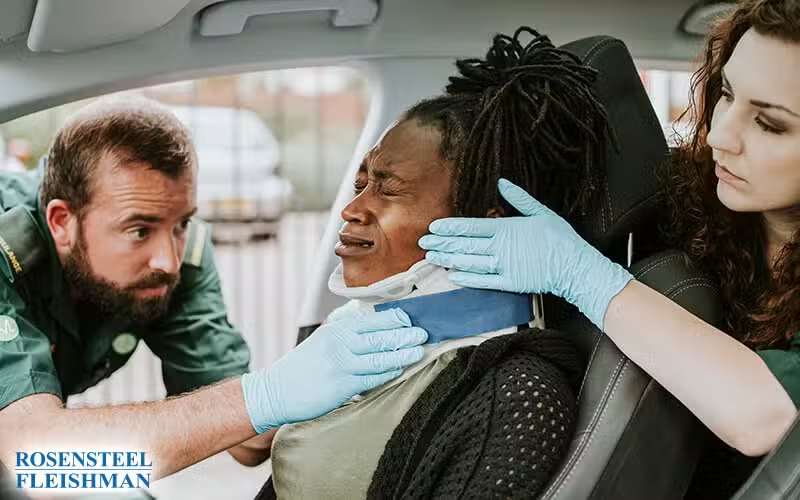

In North Carolina, a crash can feel manageable at first, especially when everyone is able to leave the scene and the damage does not seem severe. Then, a few days later, the situation may look different. Pain can appear after the adrenaline wears off, a repair estimate may be higher than expected, or an insurance company may ask for details that were not gathered right away.
That is why collecting information can be a smart and steady first move. Understanding claim documentation basics does not mean turning every accident into a complicated legal matter. It means knowing what records may help explain what happened, how the crash affected daily life, and what questions may need to be answered before important decisions are made.
Why Delayed Information Can Affect a Car Accident Claim
A car accident claim often depends on the quality and timing of the information available. When reports, medical visits, photos, or witness details are delayed, the review process may become less straightforward. This does not automatically mean a claim is weak, but it can create questions about how the crash happened and how the injuries or losses developed over time.
Insurance companies often look for consistency. They may compare the crash report, medical records, vehicle damage, and statements from the people involved. If there is a gap between the crash and the first report of pain, property damage, or missed work, that gap may need context. For example, someone may have believed soreness would improve on its own, only to realize later that the pain was interfering with sleep, work, or normal movement.
A realistic situation might involve a driver in Charlotte who is rear-ended during afternoon traffic near I-77. At the scene, the person feels shaken but not seriously hurt. Two days later, neck stiffness becomes worse, and the car begins making a noise that was not obvious right after the collision. In that kind of situation, updated documentation can help connect the timeline instead of leaving important details unexplained.
Good records can also reduce confusion. Memories fade, photos get deleted, and small details can become harder to prove later. Writing down what happened, saving repair paperwork, and keeping medical records together can help create a clearer picture when questions come up.
What Helpful Documentation Usually Includes
The most useful documentation usually shows what happened, when it happened, and how the crash affected the people involved. Claim documentation basics often begin with simple records that many people already have access to, such as photos, messages, bills, and medical summaries. The goal is not to collect paperwork for its own sake. The goal is to preserve information that may later help explain the full impact of the crash.
Crash scene details can be especially useful. Photos of vehicle positions, roadway conditions, traffic signs, skid marks, debris, and visible damage may help show how the collision occurred. If photos were not taken at the scene, later photos of vehicle damage and the surrounding area may still provide helpful context.
Medical documentation is also important because it can show when symptoms began, what treatment was recommended, and how recovery progressed. Even when someone waits a few days to seek care, records can still help explain the reason for the visit and the complaints reported at that time. Consistent follow-up can matter because it shows how the injury developed rather than leaving the timeline incomplete.
Helpful records may include:
- Crash reports or report numbers from law enforcement
- Photos and videos from the scene or vehicle damage
- Medical visit summaries, treatment plans, and prescriptions
- Repair estimates, towing bills, and rental car receipts
- Notes about pain levels, missed work, and daily limitations
It can also help to keep communication organized. Emails, claim numbers, text messages, and letters from insurance companies may become important later. When information is scattered across phones, mail, and online portals, it becomes easier to miss deadlines or forget what was said.
For people trying to understand how documentation fits into a broader injury claim, information from a Charlotte car accident lawyer resource can help explain how records, insurance questions, and damages may be reviewed after a crash.
How to Strengthen Records When Reports Come Later
Delayed reporting does not mean a person should stop trying to document what happened. In many situations, the better approach is to begin organizing the available information as soon as the issue becomes clear. The key is to be accurate, consistent, and honest about timing.
If symptoms appeared after the crash, it may help to write down when they began, how they changed, and what made them worse. This type of personal note is not a replacement for medical records, but it can help someone explain the progression of pain or limitation. For example, a person may remember that back pain started the morning after the crash, became worse while sitting at work, and led to a medical visit later that week.
Vehicle damage should also be documented carefully. Sometimes a car appears drivable immediately after a crash, but hidden damage is found during inspection. Saving repair estimates, diagnostic reports, and photos from the repair shop can help explain why the property damage was more serious than it first appeared.
Why Consistency Matters With Insurance Questions
Insurance questions often focus on timing and cause. If a person reports one version of events to an adjuster and a different version later, that inconsistency may create problems. This is why it can be helpful to review notes, photos, and records before giving detailed statements.
Consistency does not mean every detail must be perfect. It means the overall account should remain truthful and grounded in what the person actually remembers. If something is uncertain, it is usually better to say that than to guess. Guessing can create avoidable confusion, especially when other records later show something different.
When More Information May Be the Smart First Step
Sometimes people feel pressure to move quickly after a crash, especially if an insurance company is asking for a statement or offering an early settlement. Speed can be useful for reporting deadlines, but it should not replace careful review. Accepting a quick resolution before medical issues, repair costs, or lost income are fully understood can create financial strain later.
Gathering more information can give a person a clearer sense of the situation before making decisions. This may include getting a medical evaluation, requesting the crash report, collecting repair estimates, or organizing bills. These steps can help separate temporary inconvenience from a more serious claim that deserves closer attention.
How Legal Guidance Can Help Clarify the Documentation Process
Legal awareness can be useful when a crash involves delayed records because the issue is often not just what documents exist, but how they fit together. A car accident claim may involve fault, medical causation, insurance coverage, damages, and deadlines. Each of these areas can be affected by the way information is recorded and presented.
Rosensteel Fleishman Law Firm works with car accident matters in Charlotte and across North Carolina, and a conversation with a legal professional can help someone understand what documentation may matter in their specific situation. This can be especially helpful when the injury picture is still developing or when an insurance company is asking questions that feel difficult to answer.
The value of guidance is often practical. Someone may need help understanding whether to request a report, how to organize medical bills, or what to do if the other driver’s account conflicts with their own. These are common questions, and getting clear direction can make the process feel less overwhelming.
Questions People Often Have After a Delayed Report
One common question is whether it is too late to report pain after a crash. The answer depends on the facts, but delayed symptoms are not unusual. What matters is documenting when the symptoms appeared, seeking appropriate medical care, and keeping records that explain the timeline.
Another question is whether a person should speak with the insurance company before gathering all records. Basic reporting may be necessary, but detailed statements can have consequences. It may be helpful to understand the situation more clearly before giving a full account, especially when injuries, fault, or damages are still uncertain.
People also wonder whether small crashes can lead to real claims. A crash does not have to look dramatic to cause meaningful disruption. Medical costs, missed work, vehicle repairs, and daily discomfort can all matter, even when the collision seemed minor at first.
Keeping the Next Step Clear and Manageable
Good documentation gives structure to a stressful situation. It helps preserve details, supports clearer communication, and gives injured people a better foundation for understanding their options. When reports or records come later than expected, the practical response is usually to start organizing what is available and fill in the timeline as accurately as possible.
For ongoing questions, Rosensteel Fleishman can be reached at 1-704-714-1450 for a free consultation. A steady review of the facts can help clarify what records may be useful, what concerns may need attention, and what steps may make sense before decisions are made. The main takeaway is simple: the more clearly the crash and its effects are documented, the easier it becomes to understand the path forward.
Additional Car Accidents Articles
Left Turn Gap Judgment Errors When Visibility or Road Design Plays a Role
What happens when a driver begins a left turn and another vehicle suddenly changes lanes? The available opening can disappear almost instantly. In Charlotte traffic, this type of conflict may occur near multilane intersections where drivers must monitor oncoming vehicles, traffic signals, pedestrians, and vehicles moving between lanes at the same time. These crashes can […]
Multi Policy Insurance Considerations When One Policy Does Not Cover Every Loss
Insurance coverage after a serious car accident is not always limited to one policy. A collision may involve liability coverage, underinsured motorist coverage, medical payments coverage, an employer’s commercial policy, or another source of compensation. Identifying each applicable policy can affect how losses are documented, how negotiations develop, and whether a proposed resolution fairly reflects […]
What Happens When Vehicle Damage Appears Later Despite an Initial Inspection
Damage found days or weeks after a collision can complicate an insurance claim, especially when the cause of the crash or responsibility for the repairs remains disputed. A vehicle may look drivable during an initial roadside review in Charlotte, yet later show suspension problems, electrical faults, alignment issues, or damage hidden beneath exterior panels. When […]