
The filing question starts with distinguishing a complaint from a compensation claim, identifying where the care occurred, and keeping records current as circumstances change.
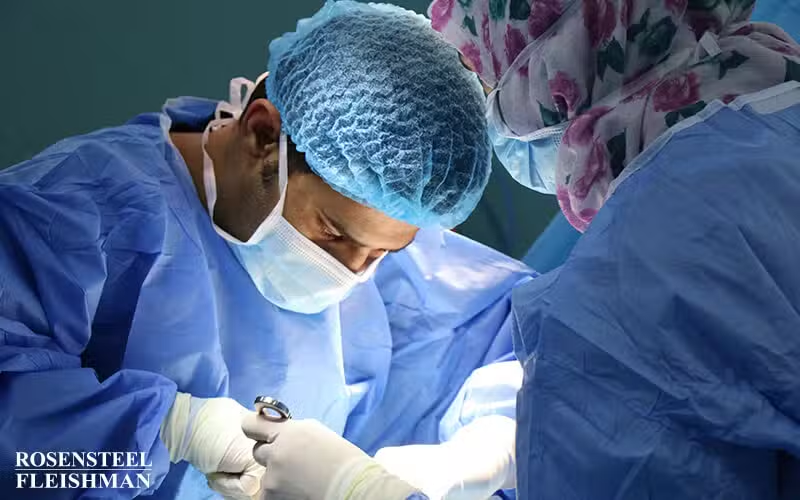

When a baby has a health concern at or after birth, medical evaluation and complete records are more useful than assumptions about cause, preventability, or responsibility.
Use precise terms
The CDC explains that birth defects are structural changes present at birth and that the causes of many conditions are not fully known. A medical term, a condition at birth, and an injury event should not be treated as interchangeable without an appropriate clinician’s evaluation.
Keep the clinical record together
- Prenatal, labor, delivery, newborn, imaging, laboratory, and follow-up records
- Names and roles of facilities and health-care professionals involved in the care
- The diagnosis, assessment, referral, and treatment information given by the care team
- A dated list of questions for the treating clinician about condition, testing, and next steps
Questions about a North Carolina health-care negligence matter are separate from medical diagnosis and should be evaluated from the records and applicable law.
Source
Additional Personal Injury Medical Malpractice Articles
How Braking Evidence Helps Explain a Motorcycle Collision
Braking evidence can help piece together the moments before a motorcycle collision. Its value depends on context, the quality of the records, and how clearly observations are separated from assumptions.
Documenting the Value of Household Help After a Rideshare Crash
A household help record should show what changed, who performed each task, and how any dollar estimate was calculated. Separate actual payments from unpaid assistance and explain gaps without guessing.
What Records Matter in Crash and Medical Malpractice Death Claims?
Crash and medical malpractice death claims involve different evidence, but both benefit from a clear timeline, preserved originals, and organized financial records.



