Reconsidering motorcycle travel after a crash means separating road concerns from assumptions about fault. Clear records can help connect everyday transportation decisions with unresolved claim questions.
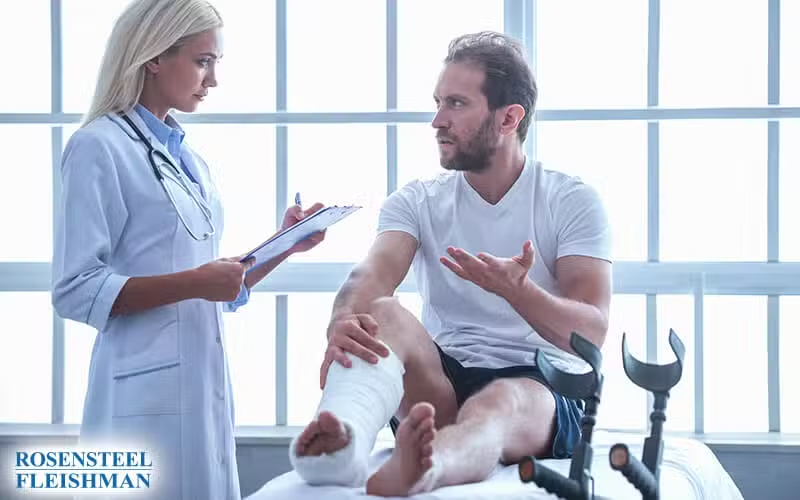

Balance problems may affect walking, stairs, transfers, bathing, driving, work, and other daily tasks. The cause and treatment require medical evaluation. The claim file should accurately record reported symptoms, clinical findings, provider instructions, function, and change over time.
A balance record should identify the person’s exact sensation, trigger, duration, associated symptom, task affected, safety response, provider finding, instruction, and later change.
Use consistent observations
- Date, time, sensation in the person’s own words, onset, duration, frequency, and context
- Walking surface, position change, head movement, light, exertion, medication, sleep, and other observed circumstances without claiming causation
- Fall or near-fall, assistance, device, task stopped, work effect, driving or riding decision, and follow-up
- Provider history, examination, diagnosis if made, restriction, treatment, referral, and reassessment
Keep therapy performance in context
Preserve attendance, assigned tasks, objective measures stated in the record, assistance level, provider assessment, and home instructions. A difficult session and an easy session are both part of the chronology. Do not convert a self-report into a clinical finding.
Use official records for the questions they can answer
HHS explains access and amendment rights for many medical and billing records. See U.S. HHS: Your Medical Records.
North Carolina law includes motorcycle equipment provisions; preserve the actual helmet and equipment record when relevant. See North Carolina General Statute 20-140.4.
North Carolina evidence law distinguishes paid amounts from amounts necessary to satisfy unpaid medical bills. See North Carolina Rule of Evidence 414.
Connect the file to the next decision
Summarize trends only after preserving the daily and clinical source records. The related motorcycle head-injury documentation guide provides a focused companion resource.
Rosensteel Fleishman Car Accident & Injury Lawyers provides information about consulting a Charlotte motorcycle accident lawyer when symptom onset, prior condition, medical causation, treatment, function, or work effects are disputed.
Sources
Additional Motorcycle Accidents Articles
Investigating Unexplained Loss of Control in Charlotte, NC Motorcycle Crashes
An unexplained loss of motorcycle control leaves questions about what happened before the fall. Clear records can help families distinguish evidence from assumptions and respond to claim disputes.
Medical Guidance for Resuming Outdoor Walks After a Motorcycle Crash in Charlotte
An outdoor walk does not tell the whole story of an injury. Accurate records can distinguish daily activity, treatment history, practical limitations, and unresolved claim questions.
When Anxiety After a Motorcycle Crash Disrupts Sleep and Relationships in Charlotte
When anxiety affects family routines after a motorcycle crash, specific records can describe what changed. Learn how to separate everyday observations from medical conclusions and questions about a claim.