
Can a work injury feel worse at certain times of day, especially when travel, visibility, and fatigue are part of the routine? For many employees, recovery does not happen in a controlled setting. It happens around shift times, medical appointments, modified work duties, family responsibilities, and the simple challenge of getting safely from one place […]

Hydraulic fracturing (also known as “fracking”) and horizontal drilling technologies that have been used in the extraction of natural gases have proven to be controversial over the past years. In large part, this is because some states do not maintain the legal infrastructure suitable or prepared to accommodate these particular technologies. In 2012, the North Carolina General Assembly legalized fracking and horizontal drilling by passing Session Law 2012-143, the Clean Energy and Economic Security Act. Although fracking has been legalized, no company can drill unless it first obtains a permit from the North Carolina Department of Environmental Quality. Consequentially, North Carolina recently discovered a natural gas reservoir which creates a lot of issues and points out many deficiencies in the state’s laws that address the environmental and public health concerns concerning the impacts on the water supply.
North Carolina’s Environmental Law Guide § 9.08 defines fracking as the process of obtaining natural gas from underground, porous caverns. Natural gas is often located in underground pores and generally flows easily because of the interconnected nature of those pores, like those of a sponge. These pores are called conventional gas reservoirs. Unconventional gas reservoirs, on the other hand, lack the needed permeability to let gas flow. In order to create pores, fracking companies shoot pressurized water solutions into the rock to break it up so that gas may flow up through the cracks and be collected.
Although Environmental Protection Agency (EPA) attempted to ensure that fracking activities comply with federal laws, such as Clean Air Act, Clean Water Act, Safe Drinking Water Act, Resource Conservation and Recovery Act, and others, fracking can still be harmful and very dangerous in various different ways. Among other things, fracking can be dangerous to the people who do it, it can ruin water wells, damage roads, homes, produce excessive noise, dust, and flares. The real risk is the contamination of the groundwater and air, as well as the contamination of the surface caused by the moving of the gases and chemicals, or potential ground surface contamination caused by the spill of chemicals used in fracking operations.
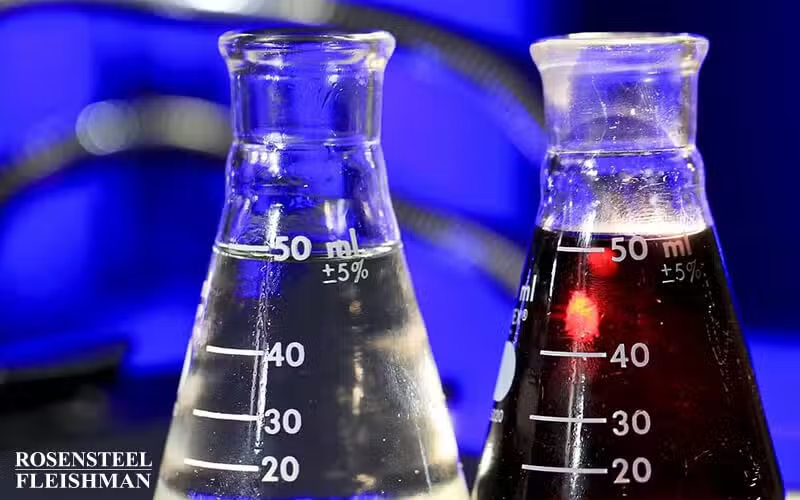
The fracking industry, as well as the oil and gas industry, attempts to create a misunderstanding of the chemicals used in the fracking fluid. More specifically, they state that only 0.5% and 2.0% of the total fracking fluid is made up by chemicals. Looking at those percentages, people may think that is an insignificant amount. However, fracking operations require an enormous amount of water, millions of gallons, thus the amount of chemicals per fracking operations turn out to be very large. For example, consider a two (2) million-gallon fracturing operation. That same operation would use from 40 to 160 tons of chemicals. Companies attempt to avoid disclosure of all of the used chemicals, alleging that information is a business secret, therefore leaving people wondering what all types of additives were used. Even though those fracking fluid components have historically been regarded as trade secrets, in some cases, scientists and environmental advocates were able to determine used chemicals contained in the liquid used in fracking.
Many of those fracturing fluids are known to be extremely toxic. Exposure to toxic chemicals used in fracking operations can cause tremendous harm to humans. Some of the common health problem associated with fracking are:
- Respiratory problems, including coughs and shortness of breath. This is the most common complaint of the residents who live close to the fracking sites. In addition, Silica is a substance naturally found in certain types of stone, rock, sand and landscaping materials. Working with these materials can create very fine dust by cutting, grinding, or drilling that can be easily inhaled. Breathing silica dust can lead to lung cancer and silicosis, a fatal respiratory disease, and has been linked to tuberculosis and chronic obstructive pulmonary disease, among others. Silicosis can take 10 to 15 years to present symptoms but, once developed, is incurable. The risks can even be transferred to workers’ homes through dust collected on clothing and vehicles.
- Sleep deprivation caused by all of the noises that fracking operations create. Fracking operations produce noise levels that can increase the risk to human health, cardiovascular disease, and other conditions that may relate to increased stress. Furthermore, excess noise can be linked to depression, diabetes, and other impairments. The abovementioned noises usually come from drilling, compressor stations, equipment, excavators, bulldozers, trucks, and other sources.
- Spills and accidents of chemicals that can contaminate drinking water and ground surfaces. According to new research from US scientists, up to 16% of hydraulically fractured oil and gas wells spill liquids every year. More specifically, there had been approximately 6,600 releases from fracked wells over the ten (10) years that potentially contaminated drinking water and ground surface also impacting vegetation and wildlife.
- Vehicle accidents. Fracturing operations require excessive amounts of water per well, sometimes more than 2 million gallons, all of which are delivered by the trucks. With all the trucks being on-site, and the numerous trips between the sites (more than a thousand), the potential risks of accidents can increase, especially considering long work hours, fatigue, and low level of safety.
- Explosion and fires. When hydrocarbons come in touch with the oxygen they become prone of flash fires and explosions. Workers and employees are the ones that are in danger of explosions and flash fires due to the nature of working with those highly flammable substances. Luckily, wearing the safety equipment and specially designed clothing can decrease potential burn severity but it cannot fully eliminate the risk.
These are not the only dangers and health problems that can be caused by fracking. Some more serious health conditions, such as cancer or neurological problems, may take years to develop after exposure.
If you or your loved one have experienced injuries related to fracking, contact the attorneys at Rosensteel Fleishman Car Accident & Injury Lawyers, you may be entitled to compensation. The initial consultation is free of charge.
Additional Personal Injury Articles
Red Flags Dog Bite Injuries That May Need Prompt Attention
What should families watch for after a dog bite when the injury seems manageable at first? Some wounds look small on the surface but can still create problems if cleaning, medical care, follow up appointments, or documentation are delayed. This is especially true for children, older adults, and anyone with health conditions that may affect […]
How Liability Is Determined in a Car Accident When Reports Are Delayed
Fault decisions often become harder when crash reports, medical records, repair estimates, or insurance updates are delayed. In a Charlotte car accident, even a few missing details can leave drivers unsure about what the insurance company is reviewing, why the claim is taking longer, and what happens when each side tells a different story. A […]
Instability After Truck Accident Injuries When Fault Is Not Immediately Clear
Could unsteady movement, dizziness, or trouble keeping balance after a truck crash be part of the recovery process even when fault is still being sorted out? Yes, and it can be important to take those symptoms seriously from the beginning. Instability after truck accident injuries may show up right away, or it may become more […]