
In Charlotte, a routine walk can take an unexpected turn when a dog bites someone on the hand, wrist, ankle, or another area involved in everyday movement. The visible wound may be only one part of the injury. When tendons are affected, the consequences can extend to a person’s work, independence, household responsibilities, and financial […]
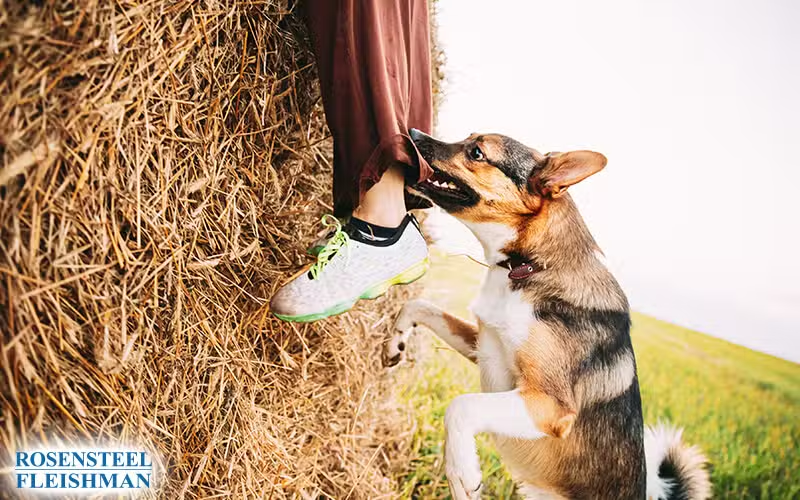

If care or an animal-control report did not happen immediately after a dog attack, the next step is to address the present health concern honestly. MedlinePlus advises medical attention for bites that break the skin. Tell a healthcare professional when the incident occurred, what care was or was not received, and any new or worsening concern. Do not wait for an insurance answer or try to recreate an earlier visit.
Preserve the actual sequence
Write a short timeline using the incident date, first person told, first photograph, first medical contact and first animal-control contact. Label a later recollection as a recollection. Keep the original message, photograph or call record where it exists. A delayed report does not mean the attack did not occur, and it does not prove why the delay happened.
At a later visit, give the clinician the real history and let the provider document the examination, assessment and plan. Do not ask a provider to backdate a note or to adopt a claim conclusion. If a record materially misstates the history, HHS explains how to seek amendment of many medical records; keep the original and the request together.
Report the animal information without filling gaps
Tell animal control what is known about the dog, owner, location and witnesses, and identify what is uncertain. Charlotte-Mecklenburg Animal Care & Control describes its bite-investigation process. A later report may still help identify the animal or source of vaccination information, but it cannot make an undocumented observation contemporaneous. Ask a healthcare professional about exposure concerns now rather than assuming an animal-status note resolves them.
Separate the two delays in a claim review
A medical-care gap and a reporting gap need separate explanations and sources. An insurer may ask when symptoms began, when they were first described and why an earlier note was silent. The later-reported symptom guide explains those distinct dates. Keep the insurer’s exact written question and reply with the records available; do not infer that a delay automatically wins or defeats a claim.
Rosensteel Fleishman Car Accident & Injury Lawyers provides general information about dog-bite claims involving delayed reports or care. Medical assessment and public-health direction come first; legal conclusions depend on the full facts.
Sources
Additional Dog Bites Articles
Why Irritability During Charlotte, NC Dog Bite Recovery May Go Unreported
Irritability may stay out of dog bite claim records because it feels private, hard to describe, or unrelated to the paperwork. Specific observations can clarify daily consequences without proving their cause.
Can Scar Massage Help With Lasting Tightness After a Dog Bite?
Lasting tightness does not establish whether scar massage would help. Keep personal observations, existing care records, expenses, and unresolved claim questions separate.
When Recovery Setbacks After a Dog Bite Need Medical Review in Charlotte
A claim file cannot determine whether a recovery change needs medical review. Clear records can show what changed, what remains uncertain, and how daily life and expenses were affected.


