
A workers compensation claim can become more difficult when the injury report does not clearly explain when, where, and how the accident occurred. This is particularly important with hand, wrist, and finger injuries because pain, weakness, or loss of coordination may develop gradually after the initial event. An insurer may question whether the condition came […]
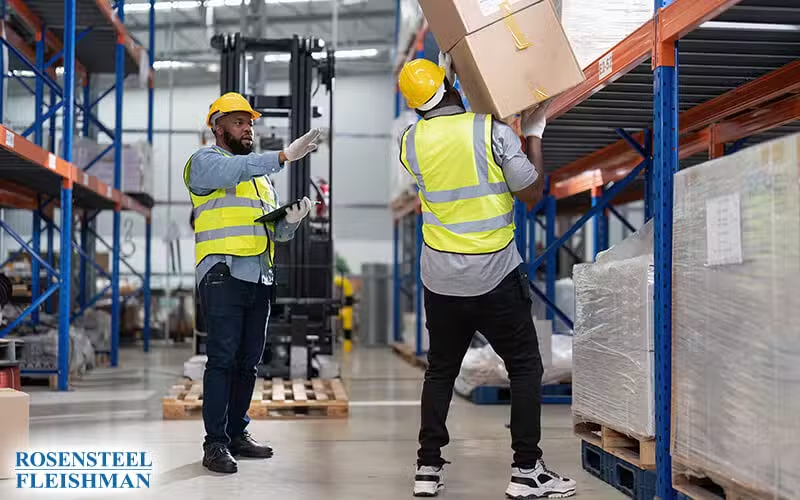

Proper handling methods in physically demanding roles can directly influence both personal safety and long term recovery prospects after an injury. When workers use incorrect lifting or movement practices, even routine tasks may lead to strain that affects daily comfort and job stability. In Charlotte, employees across healthcare, logistics, and service industries often balance productivity expectations with the need to protect their physical wellbeing. Understanding how transfer techniques workplace injuries develop can help clarify the responsibilities each person holds in preventing further harm.
Rights and expectations may differ depending on the role someone played during an incident. A caregiver assisting with patient movement, for example, may face different considerations than a warehouse employee moving heavy equipment. Reviewing resources such as a workers comp attorney consultation in Charlotte can provide insight into how workplace responsibilities intersect with recovery planning and documentation needs. Taking time to learn about these distinctions can support more confident decision making during a stressful period.
Daily routines often shape how injuries are reported and managed. Workers who recognize early warning signs such as muscle fatigue or joint stiffness may be better prepared to communicate concerns before symptoms worsen. Families also benefit when recovery steps are taken thoughtfully, since stable healing can reduce financial pressure and help maintain consistent schedules.
Article Brief
Recognizing safe movement practices and understanding individual responsibilities can help reduce workplace injury risks. When symptoms arise, early reporting and clear communication may improve recovery outcomes and prevent avoidable complications.
- Improper handling methods can lead to gradual or sudden physical strain
- Rights and responsibilities may vary based on job duties
- Early awareness supports smoother recovery and workplace coordination
How Movement Practices Influence Injury Outcomes in Community Workplaces
Improper lifting or repositioning often creates immediate physical stress that can affect muscles, ligaments, and joints. In many community settings, employees are required to assist with transfers that involve unpredictable movement or uneven weight distribution. These situations can trigger sudden pain or lead to gradual overuse injuries that complicate daily functioning. When safe handling approaches are overlooked, the cause and effect relationship between task performance and injury progression becomes clearer over time.
Local workplaces in areas such as central Charlotte frequently rely on teamwork during demanding shifts. For example, a nursing assistant helping reposition a patient without adequate support may experience lower back strain that worsens after repeated efforts throughout the week. This type of scenario highlights how transfer techniques workplace injuries can impact both immediate comfort and long term recovery planning. The physical demands of each job role influence how symptoms appear and how quickly medical attention may be needed.
Common Symptoms Linked to Improper Handling Methods
Workers who experience strain during transfers may notice a range of physical warning signs that signal the need for prompt attention. These symptoms often include:
- Persistent lower back discomfort or stiffness
- Shoulder or neck tension after repeated lifting
- Reduced flexibility in joints used for weight bearing
- Tingling sensations or numbness in arms or legs
- Sudden weakness that affects balance or coordination
Recognizing these indicators early can help workers seek appropriate care and avoid further injury complications.
Connecting Awareness to Practical Recovery Decisions
Recovery from physically demanding job injuries often requires a straightforward evaluation of how daily tasks contributed to the incident. Workers who take time to review movement practices and job expectations may better understand the steps needed to move forward safely. Real world situations frequently show that rushing back into heavy duties can extend healing timelines and create additional stress for families who rely on stable income.
Attorney Corey Rosensteel explains, “Clear awareness of workplace responsibilities and safe handling methods can make a significant difference in how recovery unfolds.” Community members who explore their options with steady guidance often feel more prepared to address both physical challenges and administrative requirements. Taking thoughtful action after an injury can help maintain confidence and encourage a safer return to normal routines.
Additional Workers Compensation Articles
North Carolina Workplace Fall-Hazard Review: Surfaces, Access, and Training
A workplace fall-hazard review starts with the route and task, then separates surface conditions, access, interim protection, corrective action, and training. This is general safety information for general-industry workplaces. It does not diagnose a worker, decide whether a standard applies to a particular task, or determine fault, benefits, or claim outcomes. Map the route and […]
Discharge Planning Workplace Recovery Before Returning to Regular Job Duties
Discharge from a hospital, rehabilitation program, therapy course, or other treatment setting does not necessarily mean an employee can resume every prior task. A safe transition requires written clinical instructions and an accurate comparison with the actual job. A discharge plan should convert clinical status into a safe and traceable transition: current diagnoses, medication, equipment, […]
Breathing Techniques Workplace Recovery After Stressful Injury Setbacks
How can simple breathing habits affect the way a workplace injury claim moves forward? When someone is recovering from an injury at work, stress can build quickly, especially when medical updates, employer communication, wage concerns, and insurance questions all seem to happen at once. Breathing techniques workplace recovery can be a practical part of staying […]




