
Highway crashes do not always happen during predictable rush hour congestion or in the middle of heavy commuter traffic. In North Carolina, a collision may occur late at night, during an off-peak afternoon, or on a relatively open stretch of interstate where traffic conditions initially appear straightforward. Claims arising from these crashes can still become […]
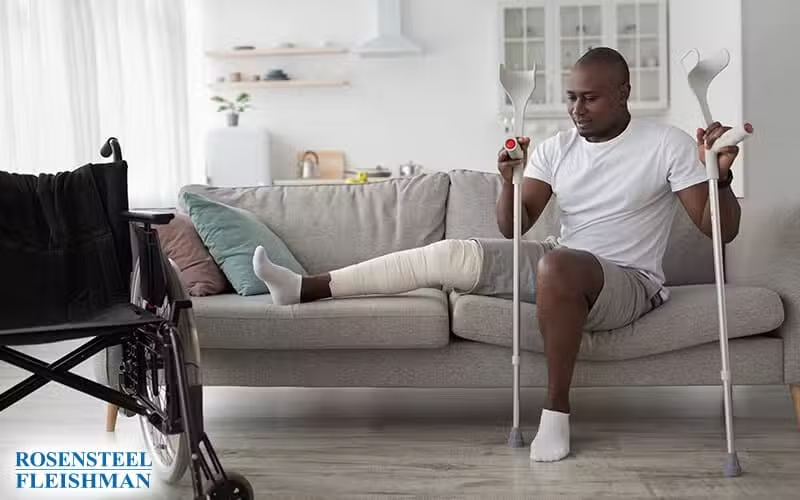

Understanding Changing Recovery Priorities After Complex Injury Claims
Recovery timelines often shift quickly when multiple people are involved in an injury claim, especially when compensation priorities begin to overlap. In situations such as multi vehicle collisions or workplace incidents, medical treatment plans may evolve alongside legal and financial considerations. This process can feel uncertain for injured individuals who are trying to balance physical healing with practical decisions about insurance, liability, and available resources.
In areas like Charlotte, NC, these situations may unfold after accidents on busy routes such as Interstate 77 or Independence Boulevard where several drivers or pedestrians could be affected at once. When several parties seek compensation from the same insurance policy, treatment decisions may become intertwined with claim developments. Reviewing reliable guidance early on or learning more about resources such as a Charlotte auto accident law firm can help injured individuals explore Charlotte personal injury lawyer insights and better understand how recovery planning connects to legal awareness.
Adjustments to rehabilitation plans are not uncommon. Medical providers may recommend extended therapy, modified activity levels, or additional diagnostic evaluations as symptoms change. Understanding that timelines are flexible rather than fixed can help individuals stay focused on gradual improvement instead of feeling pressured by external deadlines.
Summary
Rehabilitation timelines often change as injury claims become more complex and involve multiple parties. Recognizing how legal, financial, and medical factors interact can help injured individuals make steady and informed recovery decisions.
- Multiple party claims can influence treatment timelines
- Medical progress does not always follow a predictable schedule
- Early awareness supports better long term recovery planning
Why Multi Party Injury Claims Can Affect Treatment Progress
Compensation disputes frequently influence how rehabilitation unfolds. When several injured individuals rely on the same insurance coverage, claim investigations may take longer, potentially affecting access to certain therapies or approval for specialized care. This does not mean recovery stops, but it can require patience and ongoing communication between healthcare providers and legal representatives.
A practical example might involve a three car crash near Uptown Charlotte where each driver reports different injury symptoms. While one person may complete physical therapy within a few weeks, another might require months of treatment due to spinal or neurological complications. Insurance negotiations in these scenarios often develop alongside medical reassessments, creating a layered recovery timeline.
Factors That Commonly Shift Rehabilitation Expectations
Medical uncertainty is often the primary reason recovery timelines change. Injuries such as soft tissue damage, traumatic brain symptoms, or delayed onset pain can alter treatment plans after the initial diagnosis. Physicians may adjust therapy intensity or recommend additional procedures as healing progresses.
Several practical elements can influence how quickly rehabilitation moves forward:
- Changes in symptom severity or new diagnostic findings
- Delays in insurance approvals for certain treatments
- The need for coordinated care among multiple providers
- Emotional stress linked to financial or legal concerns
- Return to work pressures affecting physical recovery pace
Recognizing these influences allows injured individuals to approach recovery more realistically. Instead of focusing solely on projected timelines, maintaining open communication with care providers can support safer and more sustainable healing.
Balancing Legal Awareness With Health Focus During Recovery
Staying informed about claim developments can help individuals avoid decisions that unintentionally disrupt treatment progress. For example, settling a claim before completing recommended therapy could limit future access to compensation for ongoing care. Awareness of how liability investigations evolve helps patients align medical decisions with long term needs.
A calm and steady approach is often beneficial. Someone recovering from a delivery vehicle collision in a residential Charlotte neighborhood might feel eager to resolve the claim quickly. However, allowing enough time for full medical evaluation can prevent setbacks and support a more accurate understanding of lasting injury effects.
Moving Forward With Clear Expectations About Recovery Timelines
Recovery is rarely a straight path, especially when multiple parties are involved in an injury claim. Recognizing that rehabilitation plans may expand or contract over time helps reduce frustration and supports better physical outcomes. Individuals who remain patient with the process often find that gradual progress leads to more stable long term improvement.
Legal clarity can also play a constructive role. Learning more about how liability is proven in injury cases may provide helpful context when treatment decisions intersect with compensation discussions. Firms such as Rosensteel Fleishman are often consulted by injured individuals who want balanced guidance while they focus on healing.
Practical Steps That Support Steady Rehabilitation Progress
- Follow updated medical recommendations consistently
- Document symptoms and treatment milestones
- Maintain communication with insurance and legal contacts
- Avoid rushing settlement decisions before recovery stabilizes
- Seek clarification when recovery expectations change
Taking a thoughtful and informed approach can help injured individuals feel more confident about their next steps. By understanding that timelines can shift as circumstances evolve, people are better prepared to protect both their health and their future stability.
Additional Car Accidents Articles
Left Turn Gap Judgment Errors When Visibility or Road Design Plays a Role
What happens when a driver begins a left turn and another vehicle suddenly changes lanes? The available opening can disappear almost instantly. In Charlotte traffic, this type of conflict may occur near multilane intersections where drivers must monitor oncoming vehicles, traffic signals, pedestrians, and vehicles moving between lanes at the same time. These crashes can […]
Multi Policy Insurance Considerations When One Policy Does Not Cover Every Loss
Insurance coverage after a serious car accident is not always limited to one policy. A collision may involve liability coverage, underinsured motorist coverage, medical payments coverage, an employer’s commercial policy, or another source of compensation. Identifying each applicable policy can affect how losses are documented, how negotiations develop, and whether a proposed resolution fairly reflects […]
What Happens When Vehicle Damage Appears Later Despite an Initial Inspection
Damage found days or weeks after a collision can complicate an insurance claim, especially when the cause of the crash or responsibility for the repairs remains disputed. A vehicle may look drivable during an initial roadside review in Charlotte, yet later show suspension problems, electrical faults, alignment issues, or damage hidden beneath exterior panels. When […]




