A fall can change ordinary routines long before anyone understands the full effect of the accident. Tasks such as getting dressed, preparing meals, driving, completing a work shift, or caring for family may take longer or require help. Paying attention to these practical changes can create a clearer picture of daily independence after fall injury […]
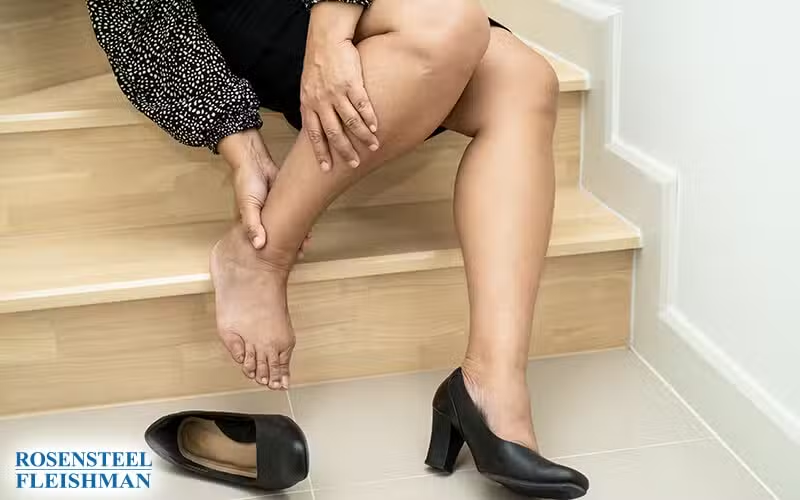

An unexpected fall in a store, apartment building, office, parking area, or other property can disrupt daily life within seconds. Pain may make it difficult to walk, drive, sleep, work, or manage ordinary responsibilities, while questions about medical care and insurance can add another layer of stress. Taking a calm, organized approach can make the days that follow easier to manage.
People who want information about the formal claim process can review guidance from a Charlotte slip and fall attorney. That resource explains how property conditions, documentation, insurance communication, and financial losses may be evaluated. The information below focuses on practical steps that can help someone preserve details, monitor recovery, and make informed decisions after a fall.
Immediate Steps That Can Protect Important Information
The first few minutes and hours after a fall often provide the clearest opportunity to document what happened. A hazardous condition may be cleaned, repaired, moved, or removed soon afterward, and witnesses may leave before their names are recorded. Addressing health and safety comes first, but preserving basic information can help create a reliable account of the event.
Seek Medical Attention for New or Worsening Symptoms
Some injuries are obvious right away, while others become noticeable only after swelling, stiffness, or soreness increases. A medical evaluation can identify problems that may not be easy to recognize without an examination or imaging. Following the recommended treatment plan also creates a record showing how symptoms developed and what care was provided.
Do not assume that being able to stand or walk means that no meaningful injury occurred. Pain involving the head, neck, back, hips, knees, ankles, or wrists can become more limiting over the next several days. Keep track of changes and contact a medical provider when symptoms worsen, mobility declines, or new concerns appear.
Report the Fall to the Property Owner or Manager
Tell an employee, manager, landlord, or property representative what happened as soon as reasonably possible. Ask whether an incident report will be created and request a copy or information about how to obtain one. Keep the description factual, and avoid guessing about details that were not clearly observed.
Write down the name and job title of the person who received the report. If the fall occurred in a business, note the approximate time, department, aisle, entrance, or other location. These details can make it easier to identify internal records or surveillance footage later.
Documenting the Property Condition and Surrounding Area
A clear record of the scene can help explain why a person lost balance or could not avoid the condition. The most useful documentation shows both the specific hazard and the wider area around it, including lighting, walkways, displays, weather exposure, and nearby warning signs. Capturing this context can prevent important details from being lost as the property changes.
Take Photographs and Video From Several Angles
Photograph the surface, object, liquid, uneven area, loose material, broken fixture, or other condition that contributed to the fall. Include close views that show texture or depth, along with wider views that show where the condition was located. When possible, record the route of travel and any obstructions that may have limited visibility.
Also photograph shoes, clothing, personal items, and visible injuries. Save the original files rather than editing or cropping them, because file data may help establish when the images were taken. Back up the files in more than one location so they are not lost if a phone is damaged or replaced.
Collect Witness and Contact Information
A witness may have seen the fall, noticed the condition beforehand, or heard employees discuss it afterward. Ask for the person’s full name, phone number, and email address, and make a note about what the person observed. Do not pressure anyone to provide a statement or suggest what the person should say.
Other people may have useful information even if they did not see the moment of the fall. A shopper may have walked around the same area, a tenant may have reported a recurring problem, or an employee may know when the area was last inspected. Recording these details early can help preserve a more complete picture.
How Property Conditions May Be Evaluated
Questions about responsibility often involve more than proving that a person fell and was hurt. The condition itself, how long it may have existed, whether anyone reported it, and what steps were taken to address it can all matter. Records and physical evidence may help show whether the issue was temporary, recurring, recently created, or left uncorrected.
Maintenance and Inspection Practices
Businesses and property managers may use inspection schedules, cleaning logs, repair requests, work orders, or employee checklists. These materials can provide context about when an area was reviewed and whether a problem had been identified. The absence of a visible warning does not answer every question, but the placement and timing of warnings can be relevant to understanding the scene.
Conditions can also develop quickly, which makes timing important. A spill that appeared moments before a fall may be evaluated differently from a broken step or leaking fixture that had been present for days. Notes, photographs, witness accounts, and internal records can help clarify that timeline.
Small Details Can Change the Overall Picture
Lighting, shadows, floor color, crowding, displays, weather, footwear, and the direction a person was walking may affect how visible a condition was. A photograph that shows only the hazard may miss these surrounding factors. Documenting the broader area helps explain what someone could reasonably see and how much time was available to react.
Statements made immediately after the fall can also become important. Record any comments from employees, residents, maintenance workers, or managers while the wording is still fresh. Identify who made the statement and where the conversation occurred rather than relying on memory weeks later.
Tracking Medical Care and Daily Limitations
Recovery is often easier to understand when symptoms, appointments, and restrictions are documented consistently. Medical records show the clinical side of the injury, while personal notes can explain how the condition affected sleep, movement, work, transportation, and family responsibilities. Together, these records can provide a fuller account of the recovery process.
Keep an Organized Medical File
Save discharge instructions, appointment summaries, test results, therapy plans, medication information, and referrals. Use a calendar to record appointments and note why any visit was rescheduled or missed. Bring updated symptom information to each appointment so the medical record reflects changes accurately.
Follow-up care may be important when symptoms continue or daily function remains limited. Gaps in treatment can occur for many reasons, including cost, transportation, scheduling, or difficulty obtaining an appointment. Documenting the reason for a delay can help preserve context instead of leaving an unexplained gap.
Record Changes in Work and Household Activities
A fall can affect more than medical bills. A person may lose wages, use paid leave, reduce hours, change job duties, or require transportation assistance. Household tasks such as cooking, cleaning, shopping, childcare, and home maintenance may also become difficult.
Keep copies of work restrictions, attendance records, pay statements, and communications with an employer. A brief daily journal can track pain levels, sleep problems, mobility limits, and activities that required help. Entries should be honest and specific rather than exaggerated or repetitive.
Handling Insurance Communication Carefully
Insurance representatives may request a description of the event, medical information, photographs, or a recorded statement. Responding without organized records can lead to incomplete answers or confusion about dates and symptoms. Review your own notes before discussing the event, and keep copies of letters, emails, forms, and claim numbers.
Use Clear and Factual Descriptions
Describe what you saw, felt, and did without filling gaps with assumptions. It is acceptable to say that a detail is unknown or that you need to check your records before answering. Avoid minimizing symptoms simply because the full effect of the injury is not yet clear.
Keep a communication log showing the date, time, name, company, phone number, and subject of each conversation. Save voicemail messages and confirm important requests in writing when practical. This creates a record that can reduce misunderstandings later.
Organize Expenses and Related Losses
Create a folder for medical bills, pharmacy receipts, transportation costs, mobility aids, damaged personal property, and other out-of-pocket expenses. Keep the original documents and make digital copies. A simple spreadsheet or written ledger can help track dates, amounts, payment status, and the reason for each cost.
Income changes should be documented separately from medical expenses. Save pay records from before and after the fall, along with written work restrictions or schedule changes. Accurate documentation is more useful than estimates made from memory months later.
Common Documentation Problems to Avoid
Many problems arise not because a person failed to take action, but because information was scattered, delayed, or inconsistent. A simple system for saving records can prevent unnecessary confusion. The goal is to create an accurate timeline that connects the property condition, the fall, medical care, and the effect on daily life.
Waiting Too Long to Preserve Evidence
Surveillance video may be overwritten, witnesses may become difficult to locate, and the condition may be repaired before it is documented. Report the event and preserve available evidence promptly when health and circumstances allow. Early action does not require making assumptions about the final outcome of the situation.
Do not rely solely on the property owner to keep every relevant record. Save your own photographs, correspondence, receipts, and notes. A personal copy protects against lost paperwork and makes it easier to review the timeline later.
Posting Detailed Updates on Social Media
Public posts can create confusion when a photograph or comment is viewed without context. A normal family event, brief outing, or old image may be interpreted as evidence that an injury was not limiting. Consider reducing public discussion of the event, recovery, insurance communication, and physical activities while the situation is unresolved.
Privacy settings do not guarantee that a post will remain private. Friends or followers may share screenshots, and older posts can be revisited later. Keeping sensitive details offline can help avoid unnecessary disputes about statements that were casual, incomplete, or unrelated.
Moving Forward After a Fall in Charlotte
The period after an unexpected fall can feel disorganized, especially when pain, appointments, work concerns, and insurance questions occur at the same time. A step-by-step approach can make the process more manageable. Focus on medical care, preserve evidence, maintain accurate records, and review important communication before responding.
Every situation depends on its own facts, including the condition of the property, the available documentation, the timing of reports, and the course of recovery. Staying organized does not guarantee a particular result, but it can reduce uncertainty and make important information easier to evaluate. Careful documentation also helps a person explain what happened without relying only on memory.
Additional Slip and Falls Articles
Protein Targets After Fall Injury and Supporting Physical Recovery
Poor lighting can make an ordinary walkway difficult to navigate, especially when shadows conceal a spill, uneven flooring, loose debris, or a change in elevation. In Charlotte, visibility problems may arise in apartment stairwells, parking garages, restaurants, retail stores, and other properties used by the public. When a fall causes an injury, the lighting conditions […]
Second Opinion Timing After Fall When Recovery Progress Remains Unclear
How can someone protect their interests when recovery after a fall remains difficult to understand? In Charlotte, the answer often begins with maintaining clear records, following established provider instructions, and asking appropriate questions when the existing information leaves important concerns unresolved. The decision to seek another evaluation is personal and should be discussed with a […]
Organizing Appointments and Household Help After a Fall
Appointments, rides, work messages and household commitments can be difficult to coordinate after a fall. A short written plan can keep practical tasks from being missed while you follow your healthcare provider’s instructions. It is a way to organize responsibilities, not a test of recovery or a reason to take on more physical activity. Choose […]