
Highway crashes do not always happen during predictable rush hour congestion or in the middle of heavy commuter traffic. In North Carolina, a collision may occur late at night, during an off-peak afternoon, or on a relatively open stretch of interstate where traffic conditions initially appear straightforward. Claims arising from these crashes can still become […]
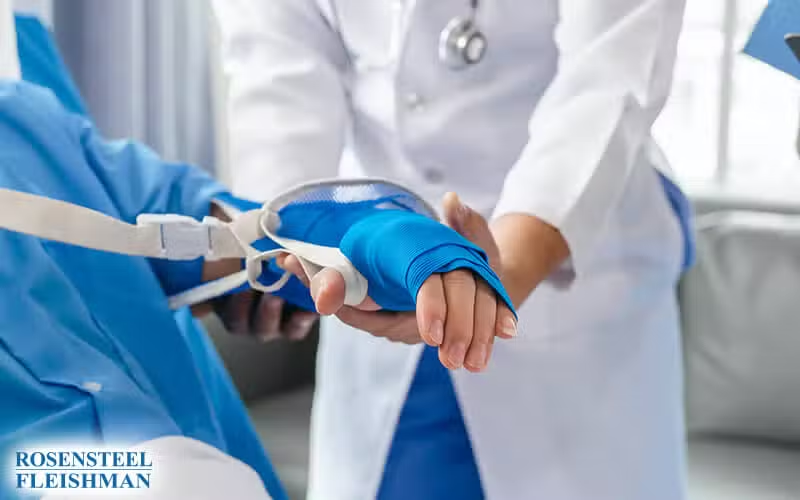

A high speed crash can flip a normal day into a stressful blur. Between the shock of the impact, the scramble to get everyone safe, and the first round of insurance questions, it is easy to feel like you are reacting instead of making clear decisions. A lot of people in Charlotte are also surprised by how long the mental fog can last after the initial adrenaline wears off.
What makes these collisions especially difficult is that the real consequences do not always show up right away. Pain can settle in hours later. Concussion symptoms can feel like fatigue or stress. And once medical visits start stacking up, it becomes harder to track what happened, what you have already shared with an insurer, and what you still need to document.
That is where legal guidance can matter. A North Carolina car accident lawyer can help you sort out practical next steps, understand what information is worth collecting, and avoid common mistakes that reduce the value of an injury claim. The goal is not to make the situation bigger than it already is. It is to bring structure and clarity when you are already dealing with enough.
How High Speed Crashes Create Complex Injuries
High speed collisions tend to cause injuries that are more complicated than people expect. The force involved can lead to multiple injury sites at once, including head, neck, back, shoulders, and hips. Even when a car has strong safety features, the body still absorbs sudden changes in motion. That is why many people feel “fine” at the scene, then wake up the next day unable to turn their head or sit comfortably.
Serious injuries often come with a long timeline. Imaging, follow up visits, referrals, physical therapy, and medication can become part of daily life. Some conditions improve slowly, while others reveal hidden problems only after activity increases. If you try to return to work too soon, symptoms can flare, and that can change both the treatment plan and the financial strain.
These crashes also affect the way an injury claim is evaluated. When the injuries are significant, the case is rarely just about a single bill. It can involve future care, time away from work, and how the injury changes everyday routines. Having a clear plan for documenting symptoms, treatment, and limitations helps you avoid gaps that later get used to question the seriousness of the harm.
Delayed Symptoms That Often Follow a Fast Impact
Delayed symptoms are common after a major collision, and they can feel confusing because they do not always show up in a neat timeline. Soft tissue injuries may tighten over time. Inflammation can build. Head injuries can create subtle changes that are easy to dismiss at first, like trouble concentrating, light sensitivity, or irritability.
The safest approach is to treat new symptoms like useful information, not an inconvenience. Tell your doctor what you are feeling, even if it seems minor, and keep notes about when symptoms begin and what makes them worse. This creates a consistent record that supports both medical care and any insurance discussions later.
It also helps to avoid assumptions about recovery. Feeling better for a day or two does not always mean the injury is resolved. A steady paper trail of follow up care, updated restrictions, and treatment recommendations makes it easier to show why the crash affected your health in a lasting way.
Insurance Questions and Documentation After a Serious Wreck
Insurance companies usually start asking questions quickly, sometimes while you are still trying to schedule medical care or arrange transportation. Adjusters may sound friendly and practical, but their job is to limit payouts. That does not mean every conversation is hostile. It does mean you should be careful, stick to facts, and avoid guessing about injuries before you have medical answers.
Documentation is where many people lose ground without realizing it. Small gaps can create big arguments later, especially if there is a delay in treatment or if symptoms change. Keep copies of discharge instructions, prescriptions, referrals, imaging results, and written work restrictions. Save repair estimates, towing receipts, and proof of missed work. When the details are organized early, it is easier to respond calmly if someone disputes what happened or how the crash affected you.
If you want a straightforward overview of what to consider after a crash, many people find it helpful to review the practical options available after an accident while they are gathering records and figuring out what questions to ask next.
Simple Records That Strengthen Clarity Later
A good record system does not need to be complicated. The goal is to make sure the story of your recovery is consistent, dated, and easy to follow. When people try to reconstruct events weeks later, details blur, and that is when confusion starts.
Here are a few items that often help keep things clear without turning your life into paperwork:
- Photo notes of visible injuries as they change over time
- A basic symptom log with dates and triggers
- Medical visit summaries and updated treatment plans
- Pay stubs or employer notes showing missed hours
- Receipts tied to the crash, including rentals and prescriptions
The point is not perfection. It is consistency. A short weekly routine of saving documents and writing down key changes can prevent major headaches later in the process.
Financial Impact That Goes Beyond the First Bills
After a high speed crash, the first round of expenses is usually obvious. Emergency care, diagnostic imaging, and initial prescriptions show up quickly. What catches many families off guard is what comes next. Physical therapy can last months. Follow up appointments may be required. Some injuries require repeat imaging or injections. And when recovery stretches out, missing work can become the bigger pressure point.
It is also common for costs to show up in everyday life. You might need help with childcare, rides to appointments, or household tasks you normally handle yourself. If your car is in the shop, rental expenses and transportation gaps add up. These practical burdens matter because they reflect how the injury changes routine, not just how it looks on a medical chart.
A careful injury claim review looks at the full picture. That includes what you have already paid, what you are likely to pay later, and what income or opportunities you lose while you recover. Underestimating long term impact is one of the most common reasons people feel stuck months after a case ends.
Why Future Care and Work Limits Should Be Taken Seriously
Future care is not a vague concept when a doctor has already recommended continued therapy, follow up imaging, or activity restrictions. If you have a job that requires lifting, standing, driving, or sustained focus, even a moderate injury can change your ability to earn income for a period of time.
It also helps to remember that “back to normal” can look different after a serious collision. Some people can return to work but need accommodations. Others can work fewer hours. Some need a different role entirely. These are real losses, and they deserve to be evaluated with the same care as a hospital bill.
As Corey Rosensteel puts it, “Clear records and careful review often matter more than fast answers. When the facts are organized, it becomes easier to explain what the crash truly changed.” That mindset keeps the focus on accuracy, not pressure.
Why Local Support Can Make the Process Feel More Manageable
When you are dealing with a serious crash in Charlotte, local context matters. Traffic patterns, common crash locations, and the way certain intersections and highway merges behave can shape the questions that come up in an investigation. A local firm is also more familiar with how medical providers document treatment and how claims typically develop in the area.
Rosensteel Fleishman Car Accident & Injury Lawyers works with people across Charlotte who are trying to make sense of medical treatment, insurance questions, and the decisions that follow a high impact collision. The most helpful support is often practical: organizing records, identifying missing documentation, and communicating clearly so you do not feel like you are repeating yourself to multiple parties.
This kind of guidance can also reduce stress. When someone else helps manage timelines, paperwork, and follow up requests, it frees you up to focus on medical care and day to day stability. That does not change what happened, but it can change how manageable the weeks after the crash feel.
What Legal Guidance Often Includes After a Serious Collision
Legal guidance is not just about arguing with an insurance company. In many cases, it starts with listening, then building a clear narrative supported by records. That can include reviewing crash reports, preserving photos and repair information, and checking that medical documentation matches what you are experiencing.
It also includes helping you understand the impact of common insurance tactics, like pushing for early statements, minimizing symptoms as “normal soreness,” or treating missed work like a personal choice instead of a medical limitation. When you know what to expect, it becomes easier to stay calm and stick to facts.
For many people, the biggest benefit is clarity. You get a grounded explanation of how claims are evaluated, what documentation matters, and what a reasonable timeline might look like based on your injuries and treatment plan.
Clear Next Steps When You Are Not Sure What Matters Most
After a high speed crash, questions tend to pile up in layers. Some are medical, like whether pain that started days later is connected to the collision. Others are financial, like how long you can realistically miss work. And some are procedural, like what to do when an insurer asks for another form, another call, or another detail you already provided.
A steady approach usually works better than quick decisions. Focus on getting medical guidance first, then keep records organized, then respond to insurance requests carefully. If something feels unclear, it often is. Asking for a second set of eyes can prevent small mistakes from becoming lasting problems.
No two crashes are identical, and serious injuries rarely follow a simple script. The more structure you build around medical care, documentation, and communication, the more control you can regain during a period that otherwise feels unpredictable.
A Calm Way to Get Answers Without Adding Pressure
If your situation feels complicated, that is normal. High speed crashes create real questions, and it is reasonable to want clear information before you agree to anything or assume the process will work itself out. When we help clients at Rosensteel Fleishman, our focus is on reviewing the facts, identifying what documentation is missing, and explaining options in plain language.
If you want to talk through what happened and what comes next, you can reach the team at 1-704-714-1450 for a straightforward conversation.
Additional Car Accidents Articles
Left Turn Gap Judgment Errors When Visibility or Road Design Plays a Role
What happens when a driver begins a left turn and another vehicle suddenly changes lanes? The available opening can disappear almost instantly. In Charlotte traffic, this type of conflict may occur near multilane intersections where drivers must monitor oncoming vehicles, traffic signals, pedestrians, and vehicles moving between lanes at the same time. These crashes can […]
Multi Policy Insurance Considerations When One Policy Does Not Cover Every Loss
Insurance coverage after a serious car accident is not always limited to one policy. A collision may involve liability coverage, underinsured motorist coverage, medical payments coverage, an employer’s commercial policy, or another source of compensation. Identifying each applicable policy can affect how losses are documented, how negotiations develop, and whether a proposed resolution fairly reflects […]
What Happens When Vehicle Damage Appears Later Despite an Initial Inspection
Damage found days or weeks after a collision can complicate an insurance claim, especially when the cause of the crash or responsibility for the repairs remains disputed. A vehicle may look drivable during an initial roadside review in Charlotte, yet later show suspension problems, electrical faults, alignment issues, or damage hidden beneath exterior panels. When […]



